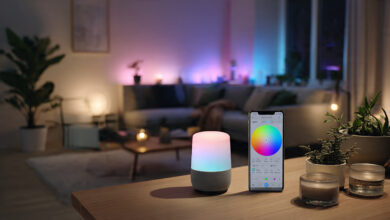
From AI Assistants to Smart Security: 2026’s Best Smart Home Gadgets
Discover 2026's top smart home gadgets including AI assistants, security systems, and automation devices that transform your living space into an intelligent home.
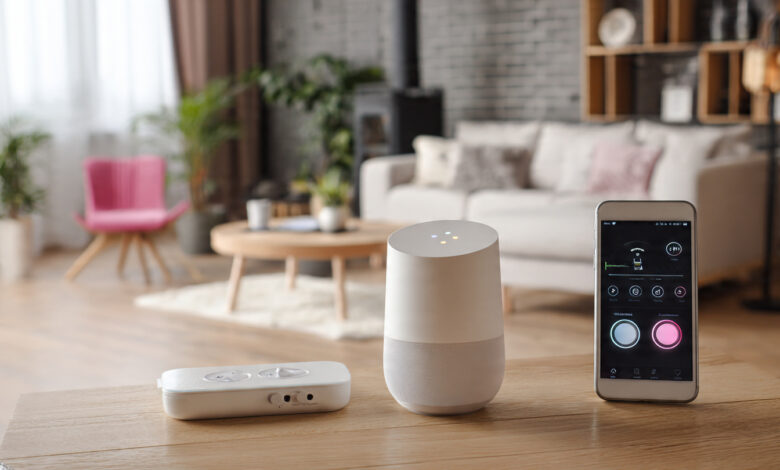
The smart home revolution has reached a turning point. Over 63% of U.S. households now have at least one smart home device, and nearly 20% own six or more connected gadgets. What was once futuristic technology has become an essential part of modern living. The smart home market is projected to hit $184 billion by 2026, driven by artificial intelligence, seamless integration, and devices that actually make life easier.
2026’s best smart home gadgets aren’t just about convenience anymore. They’re about creating an ecosystem where your home anticipates your needs, protects your family, and saves you money on energy bills. From AI-powered assistants that understand natural conversation to smart security systems that can tell the difference between a package thief and your neighbor’s cat, today’s technology has evolved beyond simple automation. Whether you’re building your first smart home or expanding an existing setup, this guide breaks down the most impactful gadgets that are reshaping how we live.
Understanding Smart Home Technology in 2026
Smart home technology has moved beyond individual gadgets working in isolation. Today’s systems are built on interoperability standards like Matter, which allows devices from different manufacturers to communicate seamlessly. This means your Google smart display can control your Philips lights, which can trigger your Ring doorbell, all working together as one unified system.
The integration of artificial intelligence has transformed these devices from simple remote-controlled tools into predictive assistants. Modern smart home devices learn your patterns, adapt to your preferences, and make autonomous decisions. Your thermostat doesn’t just follow a schedule anymore; it learns when you’re home, adjusts to weather changes, and optimizes for energy savings without you touching a button.
Home automation systems in 2026 operate on three key principles: intelligence, integration, and independence. They’re smart enough to understand context, integrated enough to work across brands, and independent enough to function even when your internet goes down. This foundation makes smart home adoption more appealing than ever.
AI-Powered Virtual Assistants: The Brain of Your Smart Home
Google Home with Gemini AI
Google has redefined what AI assistants can accomplish with its Gemini-powered Google Home platform. The new system doesn’t just respond to commands; it understands conversational context, remembers previous interactions, and can handle complex multi-step requests. Instead of saying “turn on the kitchen lights,” you can ask, “It’s dark in the kitchen, can you help?” and Gemini understands your intent.
The Google Home app now features “Ask Home,” an AI feature that suggests automations based on your lifestyle. Ask how to feel safer when home alone, and Gemini might recommend a routine that locks doors, activates motion sensors, and turns on exterior lights. If it sounds right, Gemini sets it up for you without manual configuration. This represents a fundamental shift from programming your smart home to simply describing what you want.


Google Nest Hub Max remains one of the best smart displays for 2026, offering a 10-inch screen with Face Match technology that recognizes individual family members. It automatically displays personalized calendars, reminders, and suggestions based on who’s looking at it. The built-in camera enables video calls through Google Duo, Meet, and Zoom, with face-tracking that follows you during conversations.
Amazon Alexa and Echo Devices
Amazon’s Echo lineup continues to dominate the smart speaker market with Visual ID technology that identifies individual family members and tailors responses accordingly. The Echo Show 15 combines a large 15.6-inch display with natural language processing that maintains conversation context across multiple commands.
What sets 2026’s Echo devices apart is their improved local processing. Many commands now execute without cloud connectivity, making responses faster and maintaining functionality during internet outages. The integration with Ring, Blink, and over 100,000 compatible smart home devices makes Amazon’s ecosystem one of the most versatile available.
Apple HomePod and Upcoming Smart Display
Apple’s approach to smart home technology emphasizes privacy and seamless ecosystem integration. The latest HomePod features emotional intelligence processing, analyzing vocal tone to better understand user needs. Apple’s rumored smart display, expected in early 2026, will reportedly feature revolutionary AI capabilities built around App Intents, allowing Siri to control applications and create intelligent automations from the ground up.
The device could recognize requests like “Help me prepare for tomorrow’s dinner party” and automatically adjust lighting schedules, set temperature presets for guest arrival, and remind you about dishwasher tasks. Unlike retrofitted AI features, Apple’s system is designed as a comprehensive home automation command center from its foundation.
Smart Security Systems: Protecting Your Home Intelligently
AI-Driven Security Cameras and Video Doorbells
Smart security systems in 2026 leverage artificial intelligence to dramatically reduce false alarms while catching real threats. Modern security cameras can differentiate between humans, animals, and vehicles with 95-98% accuracy in good lighting conditions, reducing false alarms by up to 80% compared to traditional motion sensors.
The Eufy E340 Video Doorbell exemplifies this evolution with its dual-camera system including one that faces down at your porch to monitor packages. Battery-powered with optional wired connectivity, it avoids subscription fees by storing footage locally. The ability to see who’s at your door while away, review video playback, and use two-way audio makes it essential for modern home security.
Ring’s indoor drone camera, while still in limited release, represents the future of surveillance. This autonomous flying camera patrols your home on schedule or when triggered by alarms, providing a mobile security solution that traditional fixed cameras can’t match.
Comprehensive Security Platforms
Professional home security systems like ADT, Vivint, and SimpliSafe have evolved beyond simple alarm monitoring. Vivint’s Smart Deter technology uses behavioral pattern recognition to identify potential threats before they become break-ins. The system learns normal household patterns and can detect anomalies like someone moving unusually slowly through your home at 2 AM, even with the correct entry code.
ADT’s latest systems integrate Google Nest devices, offering seamless control through the Google Home ecosystem. With twelve monitoring facilities across North America, ADT maintains reliable uptime and response times averaging 30 seconds after alarm triggers. The integration of SMART Monitoring sends text alerts almost instantly when sensors are tripped.
For budget-conscious homeowners, SimpliSafe offers flexible monitoring options that can switch between professional and self-monitoring month-to-month. The system includes entry sensors, motion detectors, and cameras that work with Alexa and Google Assistant. Without mandatory contracts or installation fees, SimpliSafe provides enterprise-grade security at accessible prices.
No-Subscription Security Options
The trend toward subscription-free security has gained momentum in 2026. Eufy leads this category with local storage options that eliminate monthly fees while maintaining excellent detection features. The Eufy security ecosystem includes 4K cameras, smart locks, and sensors that store footage on base stations with expandable storage.
Wyze offers similar value with 2K cameras featuring wide-angle lenses perfect for apartments or small homes. Both brands integrate with major smart home ecosystems while allowing users to avoid recurring costs. This approach appeals to homeowners who want security without perpetual subscriptions.
Smart Lighting: Setting the Perfect Ambiance
Smart lighting has evolved from simple on-off controls to ambient intelligence systems that understand context and mood. The category represents one of the easiest entry points into home automation, offering immediate benefits with minimal setup.
Philips Hue Smart Bulbs
Philips Hue maintains its position as the gold standard in smart lighting due to broad ecosystem support and reliability. The bulbs work seamlessly with Google, Amazon, and Apple HomeKit, using the Zigbee protocol to connect through a dedicated hub rather than your home WiFi. This approach prevents network slowdowns while ensuring reliable connections.
The latest Hue bulbs feature AI-powered scene creation where you simply describe what you want—”create lighting for a garden party”—and the system generates appropriate color and brightness profiles. Ambient-RF sensing technology can turn bulbs into motion detectors without additional hardware, enabling lights to respond to your presence automatically.
Nanoleaf Modular Panels
Nanoleaf’s modular RGB light panels offer customizable configurations that match your aesthetic preferences. Edge-to-edge lighting, rhythm music visualization, and screen mirroring capabilities make them ideal for bedrooms, lounges, and gaming spaces. Additional accessories like shelves and pegboards transform these panels into functional wall storage with built-in illumination.
TP-Link Kasa Smart Bulbs
For budget-conscious buyers, TP-Link Kasa smart bulbs deliver full-color capabilities at accessible prices. The clean, intuitive mobile app makes color changes as simple as dragging your finger around a color wheel. These bulbs connect directly to WiFi without requiring a hub, simplifying setup for smart home beginners.
Climate Control: Smart Thermostats and HVAC Systems
Smart thermostats rank among the most practical smart home gadgets for their combination of convenience and energy savings. These devices learn your schedule, adapt to weather changes, and optimize HVAC performance automatically.
Ecobee Smart Thermostat Premium
The Ecobee Smart Thermostat Premium supports Apple HomeKit, Amazon Alexa, and Google Assistant, making it universally compatible. Built-in air quality monitoring tracks indoor conditions, while optional automations can adjust settings based on occupancy and time of day. Reminders to change furnace filters help maintain system efficiency.
The thermostat’s intuitive menu system and responsive touchscreen make manual adjustments straightforward when needed. Remote sensors can be placed in different rooms to ensure even temperature distribution throughout your home. The ability to control settings from your phone means you can warm the house before arriving home or adjust temperatures while on vacation.
Nest Learning Thermostat
Google’s Nest Learning Thermostat pioneered predictive climate control and continues to lead through machine learning algorithms that adapt to your preferences. The device learns your heating and cooling patterns within the first week, then creates automatic schedules that maximize comfort while minimizing energy waste.
Energy reports show exactly how much you’re saving compared to manual control, with most users seeing 10-12% reductions in heating and cooling costs. The Nest’s integration with other Google Home devices enables sophisticated automations, like lowering the temperature when your Nest Doorbell detects you’ve left home.
Smart Speakers and Sound Systems
Quality audio forms an essential component of the smart home ecosystem, providing both entertainment and voice assistant access throughout your living space.
Sonos Era 100
The Sonos Era 100 delivers exceptional audio quality in a compact form factor. When properly tuned using the iPhone app’s TruePlay feature, the speaker produces punchy bass and clear highs that outperform most smart speakers. Compatibility with major streaming services including Spotify and Pandora provides access to endless music.
What distinguishes Sonos is the ability to build a multi-room audio system gradually. Start with one Era 100, then expand to additional speakers or integrate with Sonos soundbars for home theater setups. This flexibility makes Sonos an investment that grows with your needs.
Google Nest Audio
Google Nest Audio offers solid sound quality with full Google Assistant integration at a more accessible price point. The speaker adapts audio output based on room acoustics and ambient noise levels, ensuring consistent performance. Voice commands can control music playback, answer questions, manage smart home devices, and set reminders hands-free.
Smart Locks and Access Control
Smart locks provide keyless entry, remote access management, and integration with security systems. Modern models offer multiple access methods including keypads, fingerprint sensors, and smartphone apps.
Yale Smart Locks
Yale produces reliable smart locks compatible with major platforms including Z-Wave, Zigbee, and Matter. The ability to create temporary access codes for guests, service providers, or rental properties adds convenience and security. Integration with video doorbells enables automated unlocking when trusted faces are recognized.
Battery-powered operation means smart locks continue functioning during power outages. Most models include physical key backups as an additional failsafe. Remote locking capabilities through smartphone apps provide peace of mind when you can’t remember if you secured the door before leaving.
August Smart Lock
The August Smart Lock installs over existing deadbolts, preserving your current keys while adding smart functionality. DoorSense technology verifies whether doors are completely closed and locked. Auto-lock and auto-unlock features use your phone’s location to secure doors as you leave and open them upon return.
Robot Vacuums and Cleaning Automation
Robot vacuums have evolved from novelty items into genuinely useful home automation devices. Modern models use advanced AI, 3D mapping, and obstacle recognition to clean efficiently while avoiding household hazards.
Roborock Saros 10
The Roborock Saros 10 features impressive 22,000Pa suction power with AI-powered obstacle recognition that navigates around toys, cables, and furniture. Dual spinning mops handle both vacuuming and mopping in one pass. The self-emptying dock minimizes maintenance, while a retractable navigation puck enables cleaning under low furniture.
Eufy RoboVac Series
Eufy’s RoboVac line offers strong performance at more accessible prices. These vacuums include sufficient suction for most homes, smart navigation that maps floor plans, and app control that lets you schedule cleaning sessions or target specific rooms. The thin profile allows cleaning under beds and couches that taller models can’t reach.
Smart Kitchen Appliances
The kitchen represents the next frontier in home automation, with appliances that can sense food conditions, optimize cooking processes, and integrate with meal planning systems.
Sensor-Based Smart Appliances
Modern dishwashers detect load size and soil levels to optimize water usage and cycle length. Smart washing machines identify fabric types and adjust cycles accordingly, protecting delicate items while ensuring thorough cleaning. These appliances save water, energy, and time while delivering superior results.
Smart Refrigerators
Smart refrigerators track food inventory, suggest recipes based on available ingredients, and alert you when items are expiring. Some models include interior cameras accessible through smartphone apps, letting you check what you need while grocery shopping. Integration with meal planning services helps reduce food waste and simplify dinner decisions.
Energy Monitoring and Sustainability
Energy-saving gadgets have become essential components of sustainable smart homes. These devices monitor consumption, optimize usage, and reduce environmental impact.
Smart Energy Monitors
Energy monitors provide real-time tracking of electricity consumption by device and circuit. This visibility helps identify inefficient appliances and patterns that waste energy. Some systems offer insights into optimal usage times when electricity rates are lowest.
Smart Power Strips and Plugs
Smart plugs transform ordinary devices into connected gadgets. Coffee makers, lamps, and fans gain scheduling capabilities, remote control, and integration with broader automation routines. Devices can be set to turn off automatically when not in use, eliminating phantom power drain that accounts for 5-10% of household electricity consumption.
Smart Home Hubs and Integration Platforms
Smart home hubs serve as the central nervous system connecting all your devices. These platforms enable sophisticated automations and unified control.
Samsung SmartThings Hub
SmartThings supports the widest range of protocols including WiFi, Zigbee, Z-Wave, and Matter. This universal compatibility allows integration of virtually any smart device. The platform’s automation engine enables complex routines triggered by time, location, device states, or combinations thereof.
Home Assistant
Home Assistant represents the open-source approach to home automation. The platform offers local control without cloud dependence, ensuring privacy and reliability. Advanced users can create custom integrations, automations, and user interfaces. The recent Yellow hub provides Matter support with room for expansion as needs evolve.
Matter Protocol: The Universal Language
The Matter protocol has emerged as the industry standard for smart home interoperability. Developed by the Connectivity Standards Alliance with backing from Amazon, Apple, Google, and Samsung, Matter ensures devices from different manufacturers work together seamlessly.
In 2026, Matter adoption has accelerated significantly. New devices increasingly support Matter by default, simplifying setup and reducing compatibility concerns. A Matter-certified device can be controlled through any compatible ecosystem—use Google Home, Amazon Alexa, or Apple HomeKit interchangeably with the same devices.
This standardization benefits consumers by preventing ecosystem lock-in. You’re no longer forced to buy all devices from one manufacturer or commit to a single voice assistant. The flexibility to mix and match based on features and value represents a major advancement in smart home technology.
Voice Control and Hands-Free Operation
Voice assistants have become the primary interface for smart home control. Natural language processing improvements allow conversational interactions rather than memorized commands.
Modern assistants understand context, maintaining conversation threads across multiple requests. You can ask follow-up questions, change topics mid-conversation, and receive responses that consider previous exchanges. This conversational ability makes voice control feel less like commanding a robot and more like talking to a capable assistant.
Integration with smart displays adds visual elements to voice interactions. Recipe instructions appear on screen while you cook, security camera feeds display when someone rings the doorbell, and weather forecasts show graphically rather than just being spoken. This multimodal interaction combines the convenience of voice with the clarity of visual information.
Smart Home Security Best Practices
While adding convenience and capability, smart home devices also expand your digital attack surface. Following security best practices protects your system and personal data.
Network Segmentation
Create a separate WiFi network for smart home devices, isolating them from computers and phones containing sensitive information. This limits potential damage if a device is compromised. Most routers support guest networks that can serve this purpose.
Regular Updates
Enable automatic firmware updates for all devices. Manufacturers patch security vulnerabilities regularly, and staying current prevents exploitation of known issues. Check for updates manually on devices that don’t update automatically.
Strong Authentication
Use unique, complex passwords for each smart home account. Enable two-factor authentication wherever available. Password managers help maintain security without memorizing dozens of credentials.
Privacy Settings
Review privacy settings on cameras, microphones, and data-collecting devices. Disable features you don’t use, particularly those involving persistent recording or cloud uploads. Many devices offer local storage options that keep footage on your network rather than sending it to manufacturer servers.
Cost Considerations and Budgeting
Building a smart home ecosystem requires investment, but strategic purchasing maximizes value while managing costs.
Start Small, Expand Gradually
Begin with one or two devices addressing your biggest pain points. A smart thermostat saves money on energy bills, effectively paying for itself over time. Smart lighting provides immediate convenience at low cost. Add devices gradually as you identify needs and see value from initial purchases.
Consider Subscription Costs
Many security cameras and smart displays offer enhanced features through subscriptions. Calculate long-term costs before committing. Cloud storage, advanced AI features, and professional monitoring can add $10-30 monthly per device. Subscription-free alternatives like Eufy and Wyze eliminate ongoing fees while maintaining core functionality.
Professional vs DIY Installation
Simple devices like smart bulbs and smart plugs install easily without technical knowledge. Smart thermostats and smart locks may benefit from professional installation to ensure proper operation and avoid damage. Security system installation costs typically range $100-250, though many systems now support DIY setup with guided instructions.
Future Trends in Smart Home Technology
Looking beyond 2026, several emerging trends will shape the next generation of smart home gadgets.
Predictive AI and Behavioral Learning
AI systems will become increasingly proactive, anticipating needs before you express them. Your home might start coffee when it detects you’re waking earlier than usual, or adjust lighting gradually as sunset approaches based on your typical evening routine.
Health Monitoring Integration
Smart homes will incorporate health-focused devices including air quality monitors, sleep trackers, and integration with wearable fitness devices. Environmental controls will automatically adjust to optimize sleep quality, while alerts notify you of poor air quality or concerning health metrics.
5G Connectivity
5G networks enable faster, more reliable connections with minimal latency. This supports real-time communication between devices, seamless 4K video streaming from security cameras, and simultaneous operation of numerous connected devices without interference.
Augmented Reality Interfaces
AR technology will transform how we interact with smart home systems. Point your phone at a light fixture to adjust settings, visualize furniture placement before moving items, or see heating and cooling patterns overlaid on rooms to optimize comfort and efficiency.
Sustainability Focus
Future devices will prioritize energy efficiency, use recycled materials, and support circular economy principles. Solar-powered gadgets, smart irrigation systems, and water-efficient devices will help homeowners reduce environmental impact while lowering utility costs.
Choosing the Right Smart Home Ecosystem
Selecting between Google, Amazon, Apple, or open platforms represents one of the most important decisions in building your smart home. Each ecosystem offers distinct advantages.
Google Home excels in AI capabilities with Gemini integration and broad device compatibility. The ecosystem works well for users invested in Google services like Gmail, Calendar, and Photos.
Amazon Alexa provides the largest selection of compatible devices and skills. The Echo lineup offers options at every price point, and integration with Amazon shopping simplifies reordering household items.
Apple HomeKit prioritizes privacy and security with local processing and encrypted communication. The ecosystem integrates seamlessly with iPhone, iPad, and Mac, though device selection is more limited than competitors.
Open platforms like Home Assistant appeal to technical users who want complete control without relying on commercial cloud services. These systems require more setup effort but offer maximum flexibility and privacy.
Many homeowners adopt a hybrid approach, using multiple assistants where each excels. Smart home devices supporting Matter enable this flexibility, letting you choose control methods based on situation and preference.
Common Smart Home Challenges and Solutions
Even with improved reliability, smart home technology can present challenges. Understanding common issues and solutions helps maintain system functionality.
Connectivity Problems
WiFi range and interference cause many smart home issues. Position your router centrally, use mesh networking to extend coverage, and switch to less congested channels. Consider upgrading to WiFi 6 routers that handle many simultaneous connections more efficiently.
Device Compatibility
Not all devices work together seamlessly. Before purchasing, verify compatibility with your existing ecosystem. Matter certification simplifies this process, but older devices may require hubs or bridges to integrate properly.
Automation Reliability
Automations occasionally fail to trigger or execute incorrectly. Test routines thoroughly after setup and monitor performance over several days. Consider adding redundancy—multiple triggers or backup conditions—to improve reliability.
Learning Curve
Complex systems can overwhelm new users. Start with simple automations and expand as you grow comfortable. Many manufacturers offer tutorials, community forums, and customer support to help navigate setup and troubleshooting.
Conclusion
The smart home revolution of 2026 delivers on the promise of truly intelligent living spaces. From AI assistants that understand conversational requests to security systems that learn normal patterns and detect anomalies, today’s technology makes homes more comfortable, secure, and efficient. The adoption of standards like Matter, combined with powerful local AI processing, has solved many early smart home problems around compatibility and reliability. Whether you’re attracted to energy savings from smart thermostats, convenience from voice assistants, or peace of mind from smart security cameras, there’s never been a better time to build your connected home. Start with devices addressing your biggest needs, expand gradually, and enjoy the benefits of a home that works with you rather than requiring constant manual control. The future of home living isn’t just smart—it’s intuitive, adaptive, and genuinely helpful.