Budget-Friendly Home Decor Ideas for a New Home
Transform your new home beautifully without overspending. Discover creative budget-friendly home décor ideas that add style and personality to every room.
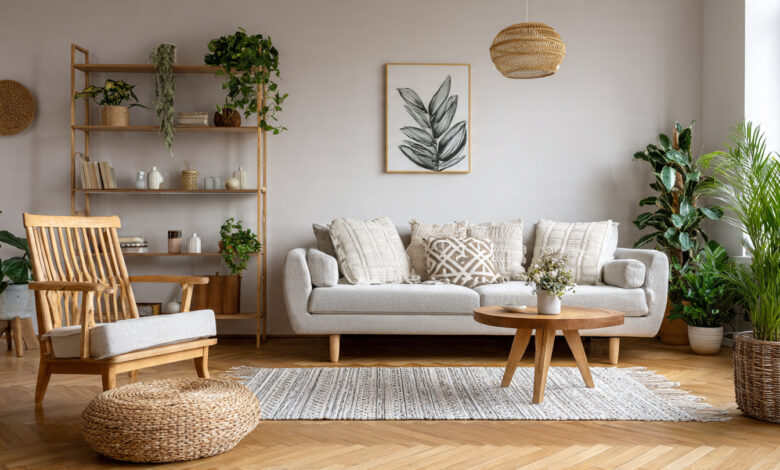
Moving into a new home is exciting, but the reality of furnishing and decorating it can feel overwhelming when you’re watching your wallet. You walk through empty rooms imagining how they could look, but then you see the price tags at furniture stores and your dreams start to fade. Here’s the good news: creating a beautiful, personalized space doesn’t require draining your savings account or maxing out credit cards. With smart planning, creativity, and the right approach, you can transform your new house into a home that reflects your style and makes you feel comfortable every single day.
The secret to successful budget-friendly home décor isn’t about buying the cheapest things you can find or settling for a space that feels incomplete. It’s about being strategic with your purchases, knowing where to invest and where to save, and understanding that decorating is a process, not a race. Whether you’re working with a few hundred dollars or just need to stretch your decorating budget further, these practical ideas will help you create rooms you’ll love coming home to. From DIY projects that require minimal skill to shopping strategies that maximize every dollar, you’ll discover that affordable home decor can look just as polished and intentional as expensive designer spaces. Let’s explore how you can make your new home beautiful without the financial stress.
Understanding Your Decorating Budget and Priorities
Before you buy a single item, sit down and create a realistic budget for your home décor. Look at what you actually have available to spend after covering moving costs, deposits, and essential purchases. Many new homeowners make the mistake of trying to furnish everything at once, which leads to overspending or filling their space with items they don’t truly love.
Start by prioritizing rooms based on daily use. Your bedroom and living room typically deserve attention first since you’ll spend most of your time there. The guest room can wait. Within each room, identify what you absolutely need versus what would be nice to have. A sofa is essential for your living room, but that decorative ladder shelf can come later.
Consider setting aside 10-15% of your total decorating budget for unexpected finds and opportunities. Sometimes you’ll spot a perfect vintage piece at a thrift store or catch an amazing sale, and having that flexibility lets you take advantage without guilt.
Transform Spaces with Paint – The Ultimate Budget Tool
Paint remains the single most powerful and affordable way to dramatically change any room in your new home. For roughly $30-50 per gallon, you can completely transform walls, furniture, cabinets, and even floors. The impact is immediate and substantial.
Strategic painting ideas include:

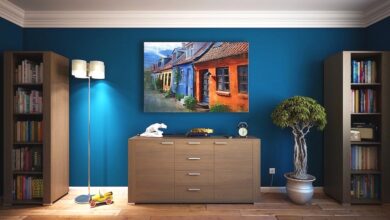
- Creating an accent wall in a bold color to add depth and interest without overwhelming the space
- Painting old furniture pieces to give them new life and match your current style
- Updating kitchen cabinets with paint instead of replacing them
- Adding painted stripes or geometric patterns to create visual interest on plain walls
- Painting interior doors a contrasting color for an unexpected design element
- Transforming builder-grade bathroom vanities with specialty cabinet paint
When selecting paint colors for budget-friendly decorating, stick with versatile neutrals for main walls. Colors like warm grays, soft beiges, or gentle whites create a timeless backdrop that works with changing décor styles. Save bolder colors for accent walls or smaller rooms where you can experiment without commitment.
Don’t overlook the ceiling. Painting it a few shades lighter than your walls makes rooms feel more spacious. In small spaces like powder rooms, painting the ceiling a bold color creates an unexpected wow factor that costs almost nothing.
Shop Smart at Thrift Stores and Second-Hand Markets
Thrift stores, consignment shops, estate sales, and online marketplaces like Facebook Marketplace have become goldmines for affordable home décor. The key to successful thrift shopping is knowing what to look for and having patience.
Quality furniture built decades ago often surpasses what you’ll find in budget furniture stores today. Look for solid wood pieces with good bones, even if the finish looks dated. That dresser with scratched veneer might have beautiful wood underneath. Check drawers to ensure they slide smoothly and examine joints for stability.
Best items to buy second-hand:
- Wooden furniture that can be painted or refinished
- Mirrors and picture frames
- Brass and metal accents
- Ceramic vases and planters
- Vintage artwork and prints
- Area rugs in good condition
- Lamps with classic shapes
- Baskets for storage
Visit thrift stores in affluent neighborhoods where donations tend to be higher quality. Go on weekdays when stores are less crowded and recently restocked. Bring measurements of your spaces and a tape measure to avoid buying pieces that won’t fit.
For online shopping, search terms like “moving sale” or “must go” often yield better prices from motivated sellers. Always ask for detailed photos and measurements before committing to larger furniture pieces.
DIY Your Way to Designer-Looking Décor
DIY home décor projects save money while creating completely unique pieces that no one else will have. You don’t need to be particularly crafty or skilled. Many impactful projects require only basic supplies and an afternoon.
Start with simple projects that deliver big visual impact. Creating your own wall art is easier than you think. You can frame fabric remnants, create abstract paintings on canvas, print free downloadable art from websites like Unsplash or design your own using Canva, then print at your local copy shop for a few dollars.
Easy DIY projects for beginners:
- Frame pressed flowers or botanical prints in thrifted frames
- Create a gallery wall using a mix of personal photos, art prints, and meaningful objects
- Make throw pillow covers from fabric remnants or even dish towels
- Build simple floating shelves from wood boards and brackets
- Transform mason jars into vases, storage containers, or candle holders
- Stencil patterns onto plain curtains or lampshades
- Create a headboard using reclaimed wood or fabric
The beauty of DIY is that imperfections often add character. That hand-painted sign doesn’t need to be perfect to look charming in your kitchen. Those slightly irregular shelves bring personality that mass-produced items lack.
Maximize Impact with Textiles and Soft Furnishings
One of the fastest ways to make a new home feel complete and cozy is by layering textiles throughout your spaces. Curtains, throw pillows, blankets, and area rugs add warmth, color, and texture without requiring major investments.
Curtains completely transform windows and make rooms feel finished. You don’t need expensive custom treatments. Retailers like IKEA, Target, and even Amazon offer affordable panels that look significantly more expensive than their price tags suggest. Hang curtain rods close to the ceiling and let panels touch the floor to create the illusion of taller windows and ceilings.
For throw pillows, buy inexpensive inserts and invest in removable covers instead of complete pillows. This approach lets you change your look seasonally or whenever you want a refresh without buying entirely new pillows. Mix patterns and textures in similar color families for a curated look. Don’t overcrowd your sofa; three to five pillows usually suffices.
Area rugs define spaces, especially in open floor plans, and can be found at surprisingly reasonable prices at stores like HomeGoods, TJ Maxx, and online retailers like Rugs USA or Wayfair. A large rug under your main seating area makes your living room feel intentional and grounded. In bedrooms, place smaller rugs on either side of the bed for soft landing spots.
Layer throws on sofas and beds for that cozy, lived-in feeling. Chunky knit blankets, woven cotton throws, or faux fur accents add visual interest and invite you to curl up and relax.
Bring Life Indoors with Plants and Greenery
Nothing makes a space feel more alive and welcoming than plants. Even if you don’t consider yourself having a green thumb, there are virtually indestructible options that thrive with minimal care while providing maximum impact for your home decorating efforts.
Start with low-maintenance plants like pothos, snake plants, or ZZ plants. These beauties tolerate neglect and low light while purifying air and adding organic texture to rooms. Purchase small plants from grocery stores or home improvement centers where they’re typically cheaper than specialty nurseries, then watch them grow.
Display plants at varying heights throughout your rooms. Place a tall fiddle leaf fig in a corner, hang trailing pothos from shelves, cluster smaller plants on coffee tables or windowsills. The variety creates visual interest and makes spaces feel more dynamic.
Budget-friendly plant display ideas:
- Use thrifted baskets, ceramic bowls, or vintage planters instead of buying new pots
- Create macramé plant hangers from rope or cord
- Place plants on stacks of books to add height variation
- Propagate cuttings from existing plants to multiply your collection for free
- Display fresh-cut branches or dried grasses in simple vases
If you’re genuinely unable to keep plants alive, high-quality faux plants have come a long way. Mix one or two realistic fakes with real plants and most people won’t notice the difference.
Rethink and Repurpose What You Already Own
Before buying anything new, take inventory of what you already have. You’d be surprised how many items can serve different purposes or work in different rooms than originally intended. This budget decorating strategy costs absolutely nothing.
Walk through your current belongings with fresh eyes. That bookshelf in your bedroom might work better as a TV stand in the living room. Those decorative boxes could transition from the closet to the coffee table for stylish storage. The table runner from your dining room might be the perfect accent for your dresser.
Rearranging furniture can completely change how a room feels and functions. Try your sofa facing a different direction. Move your bed to another wall. Swap nightstands between bedrooms. These simple changes create new energy in spaces without spending a dime.
Consider repurposing items for entirely new uses. Old ladders become blanket storage or plant displays. Vintage suitcases stack into side tables. Cutting boards hang as kitchen wall art. Dresser drawers mounted on walls transform into unique shelving. Let your creativity guide you, and don’t be afraid to experiment.
Focus on Lighting to Elevate Every Room
Good lighting makes spaces feel intentional and well-designed, yet it’s often overlooked in budget home decor plans. You don’t need expensive fixtures to create the right ambiance. Understanding lighting layers makes the biggest difference.
Every room needs three types of lighting: ambient (overall illumination), task (focused light for activities), and accent (highlighting specific features). In your living room, this might mean an overhead fixture or floor lamp for ambient light, a reading lamp next to your favorite chair for task lighting, and a table lamp or candles for accent lighting.
Affordable lighting improvements:
- Replace outdated light fixtures with budget-friendly options from home improvement stores
- Add dimmer switches to control mood and ambiance
- Use warm-toned bulbs (2700K-3000K) for cozy, inviting atmosphere
- Place lamps at different heights throughout rooms
- String fairy lights for soft ambient glow
- Position mirrors to reflect natural light and make spaces feel larger
Swap out boring builder-grade light fixtures in key areas like your entryway, dining room, or above the bathroom vanity. Even an inexpensive fixture that matches your style looks infinitely better than standard contractor-grade options. Installation is often simpler than you think, or you can find tutorials online from The Home Depot to guide you through the process.
Create Visual Interest with Wall Décor and Art
Bare walls make homes feel unfinished and cold. Filling them thoughtfully transforms spaces and showcases your personality, but wall art doesn’t require gallery-level investments.
Start by thinking beyond traditional framed prints. Three-dimensional objects add depth and interest. Hang woven baskets in groupings, display decorative plates, mount floating shelves with curated objects, or create a wall of mirrors in varying sizes and shapes.
For actual artwork, numerous free or low-cost options exist. Print large-scale photography from free image sites, frame pages from old books or calendars, create your own abstract pieces, or commission affordable custom art from students or emerging artists on platforms like Etsy.
Gallery wall arrangements make big statements with minimal investment. Mix frame sizes and styles, combine artwork with personal photos, and don’t worry about matching frames perfectly. The eclectic look actually feels more curated and interesting. Use painter’s tape to map out your arrangement on the wall before hammering nails to ensure you’re happy with the layout.
Consider wallpaper or wall decals for accent walls if painting feels too permanent. Removable wallpaper has become incredibly affordable and comes in countless patterns. One accent wall can completely change a room’s personality without the long-term commitment.
Smart Shopping Strategies for New Furniture
Sometimes you need to buy new furniture, and that’s okay. The trick is knowing where to shop and when to buy for the best deals on affordable furniture that still offers quality and style.
Sign up for email lists from your favorite retailers to get first notice of sales and exclusive discount codes. Major holiday weekends typically bring furniture sales, especially Memorial Day, Fourth of July, Labor Day, and Black Friday.
Don’t overlook retailers like IKEA, where Swedish design meets budget-friendly prices. Target’s collaborations with designers like Studio McGee and Threshold provide on-trend pieces at accessible price points. Wayfair frequently runs flash sales and offers first-time customer discounts.
Buy floor models or slightly damaged items at steep discounts. A small scratch on the back of a dresser or a tiny dent on a chair leg won’t be visible once the piece is in your home, but it can save you 30-50% off retail price.
Consider multi-functional furniture that serves double duty. Ottoman storage benches, sofa beds, nesting tables, and extendable dining tables maximize functionality in smaller spaces while reducing the total number of pieces you need to purchase.
Add Personality with Small Decorative Accents
Once you have the basics covered, small decorative accents bring personality and polish to your rooms. These finishing touches don’t require large budgets but make spaces feel intentionally designed.
Start collecting items that speak to you rather than buying everything at once. A beautiful ceramic bowl, interesting candlesticks, a vintage clock, or a meaningful sculpture. Over time, these pieces tell your story and make your house distinctly yours.
Styling surfaces strategically creates visual appeal. On coffee tables, nightstands, and console tables, use the rule of threes or fives. Group odd numbers of objects in varying heights for pleasing compositions. Stack books with a small object on top, add a plant, include something with height like a candle or small vase.
Change out seasonal décor to keep your home feeling fresh without major overhauls. Simple swaps like changing throw pillow covers, switching out candles, or rotating artwork keep things interesting while working within your budget.
Conclusion
Creating a beautiful home on a budget isn’t about compromise or settling for less than you deserve. It’s about being intentional, creative, and patient as you build spaces that reflect your personality and meet your needs. The budget-friendly home décor ideas outlined here prove that financial constraints can actually fuel creativity rather than limit it. By focusing on high-impact changes like paint and lighting, shopping strategically at thrift stores and sales, embracing DIY projects, and thoughtfully layering textiles and plants throughout your space, you can achieve a look that rivals professionally designed homes without the designer price tag. Remember that decorating is a journey, not a destination. Your new home will evolve as you live in it, and that gradual transformation often results in more meaningful, personalized spaces than anything you could create overnight.