The Best Smart Home Devices for 2026: Our Top Picks for a Smarter Life
Discover the best smart home devices for 2026. From AI-powered security to energy-efficient thermostats, find top picks to transform your home today.
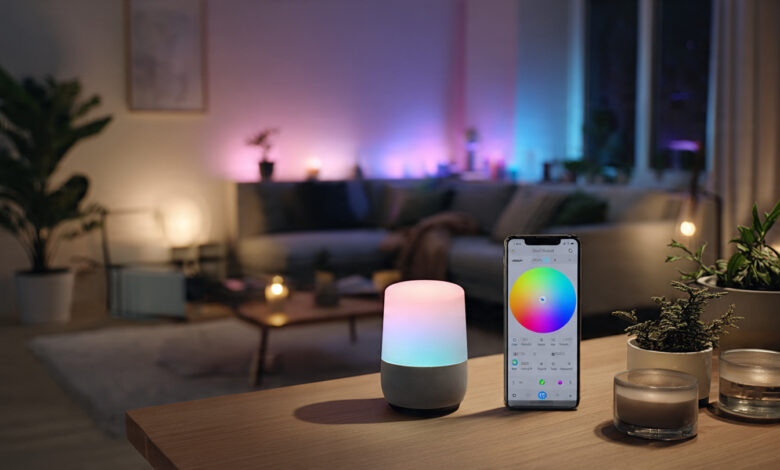
If you walked into a home in 2016 and asked Alexa to turn off the lights, you’d probably get some strange looks. Fast forward to 2026, and that same request barely registers as noteworthy. Smart home technology has evolved from novelty to necessity, and the devices hitting the market this year are smarter, more intuitive, and better integrated than ever before.
The smart home devices landscape in 2026 reflects a major shift in how we think about connected living. Gone are the days when you needed a computer science degree to set up a home automation system. Today’s smart home gadgets work seamlessly together, learn your routines, and adapt to your lifestyle without constant tinkering. Whether you’re looking to boost home security, cut energy costs, or just make daily life more convenient, there’s a device that fits your needs.
This guide walks through the best smart home devices available right now. We’ve researched dozens of products, analyzed real-world performance, and identified the standout options that deliver genuine value. From smart thermostats that predict your preferences to video doorbells powered by AI, these are the devices that will actually make your life easier in 2026.
Understanding the 2026 Smart Home Landscape
The smart home ecosystem has matured significantly over the past year. The biggest game-changer? The Matter standard is finally gaining real traction. This universal protocol allows devices from different manufacturers to work together without the headaches that plagued earlier setups.
AI-powered devices now dominate the market. These aren’t just gadgets that respond to commands. They’re learning systems that study your patterns and make intelligent decisions on your behalf. Your smart thermostat doesn’t just maintain temperature anymore. It analyzes weather forecasts, tracks occupancy patterns, and adjusts settings before you even realize you need them.
Integration has become the watchword for 2026. Standalone devices are out. Comprehensive systems are in. The best smart home devices now communicate with each other, creating automated routines that span your entire home. When your video doorbell detects someone at the front door, your smart lighting can automatically brighten the entryway while your smart speaker announces the visitor.
Smart Speakers and Displays: The Command Center of Your Home
Smart speakers remain the foundation of most connected home setups. They serve as control hubs, information sources, and entertainment systems rolled into one compact package.

Amazon Echo (5th Generation)
The latest Echo delivers impressive sound quality for its size and price point. Voice recognition has improved dramatically, with Alexa now understanding context better than previous generations. The device responds faster, handles follow-up questions naturally, and controls smart home devices with minimal friction.
What sets this Echo apart is its adaptive sound technology. It automatically adjusts volume and equalizer settings based on room acoustics and ambient noise. If you’re invested in the Amazon Alexa ecosystem, this speaker makes everything else work better.
Google Nest Hub (2nd Gen)
For visual learners who prefer screens to audio-only interfaces, the Nest Hub hits the sweet spot between functionality and affordability. The 7-inch display provides quick access to camera feeds, weather forecasts, and recipe instructions without pulling out your phone.
Integration with Google Home services is seamless. The Hub recognizes different household members through voice and adjusts information accordingly. Your partner sees their calendar while you see yours. The device also functions as a digital photo frame when idle, which sounds gimmicky but actually adds value in practice.
Apple HomePod Mini
Apple users looking to stay within their ecosystem will appreciate the HomePod Mini’s tight integration with Apple HomeKit. While Siri still lags behind Alexa and Google Assistant in some areas, the gap has narrowed considerably in 2026.
The speaker’s standout feature is its spatial audio capabilities. It creates an impressively wide soundstage for its compact size. If you’re already using iPhones, iPads, and MacBooks, the HomePod Mini slots into your setup effortlessly.
Smart Lighting: More Than Just Bulbs
Smart lighting has evolved well beyond simple on-off controls. Today’s systems create dynamic environments that respond to time of day, activities, and even your mood.
Philips Hue Ecosystem
Philips Hue remains the gold standard for smart home lighting. The system offers the widest selection of bulbs, lamps, light strips, and outdoor fixtures. What makes Hue special isn’t any single product but the ecosystem as a whole.
The new Hue Bridge Pro handles over 200 devices while turning every light into a motion sensor. This means your lights can now detect presence and trigger automations without additional sensors. Walk into your kitchen at 3 AM, and lights gently illuminate at low brightness. Walk in during the day, and they stay off because you don’t need them.
Compatibility across Google Home, Amazon Alexa, and Apple HomeKit makes Hue a safe long-term investment. Even if you switch voice assistants down the road, your lights keep working.
TP-Link Kasa Smart Bulbs
Budget-conscious buyers should look at Kasa bulbs. They deliver full-color capabilities at roughly half the price of Hue alternatives. Setup is straightforward through the Kasa mobile app, and reliability has proven solid in real-world testing.
These bulbs connect directly to Wi-Fi rather than requiring a separate hub. This simplifies initial setup but means they’ll occupy space on your home network. For small deployments of 10-15 bulbs, that’s rarely an issue. Larger installations might benefit from hub-based systems.
Lutron Caséta Smart Switches
Replacing individual bulbs works for lamps and specific fixtures. But if you want to control existing ceiling lights without changing every bulb, smart switches make more sense. Lutron’s Caséta system uses proprietary Clear Connect technology that delivers exceptional reliability.
The Diva Smart Dimmer installs like traditional switches but adds remote control, scheduling, and integration with major smart home ecosystems. Lutron switches communicate over a dedicated frequency rather than Wi-Fi, which keeps them responsive even when your network is congested.
Smart Thermostats: Comfort Meets Efficiency
Smart thermostats represent one of the clearest value propositions in home automation. They reduce energy costs while improving comfort. The payback period for a quality thermostat typically runs 2-3 years through reduced utility bills.
Ecobee Smart Thermostat Premium
The Ecobee Premium combines comprehensive features with straightforward usability. It supports Apple HomeKit, Amazon Alexa, and Google Assistant natively. The built-in air quality monitor tracks volatile organic compounds, humidity, and temperature throughout your home.
Remote sensors extend the system’s awareness beyond the thermostat’s location. Place sensors in bedrooms, offices, or frequently used spaces. The thermostat uses data from all sensors to maintain consistent comfort levels rather than optimizing for a single location.
The Premium includes reminders to change furnace filters, which sounds minor but prevents efficiency losses from dirty filters. It also learns your schedule over time and adjusts heating and cooling proactively.
Google Nest Learning Thermostat
Nest pioneered smart thermostats and continues refining the concept. The Learning Thermostat lives up to its name by studying your preferences and creating schedules automatically. Manual programming is optional rather than required.
Integration with other Nest products creates powerful automations. If your Nest Doorbell or Nest Cam detects no one home for several hours, the thermostat switches to energy-saving mode without manual intervention.
The display looks sharp and provides clear information at a glance. Temperature adjustments happen through simple rotation of the outer ring. Interaction feels more intuitive than screen-based alternatives for many users.
Video Doorbells: See Who’s There Before You Answer
Video doorbells have become standard home security equipment. The 2026 models pack significantly more intelligence than earlier generations.
Aqara Doorbell Camera Hub G410
This doorbell does more than most. Beyond standard video and two-way audio, it functions as a complete Matter-compatible smart home hub. Built-in Thread and Zigbee radios let it control other devices directly.
Video quality reaches 2K resolution with HDR support. Night vision works well enough to identify faces in complete darkness. The device supports Apple HomeKit Secure Video, making it one of few doorbells compatible with Apple’s privacy-focused approach.
Local storage options prevent mandatory cloud subscription fees. While cloud storage adds convenience for extended history, basic functionality works without ongoing costs.
Google Nest Doorbell (Wired, 3rd Gen)
Google’s AI assistant Gemini transforms how this doorbell functions. Rather than scrolling through hours of footage looking for specific events, you can search using natural language. “Show me when the Amazon delivery arrived yesterday” pulls up the exact clip.
Gemini also generates summaries of daily activity. Review what happened while you were out in seconds rather than watching entire recordings. The AI distinguishes between people, vehicles, animals, and packages with high accuracy.
Installation requires existing doorbell wiring, which limits flexibility compared to battery-powered alternatives. But wired operation means no battery concerns or charging interruptions.
Smart Security Cameras: Always-On Protection
Smart security cameras form the backbone of modern home security systems. The best models balance video quality, AI features, and reasonable subscription costs.
Arlo Essential Indoor Camera
At under $75, the Arlo Essential delivers features you’d expect from cameras costing twice as much. The 2K resolution provides clear footage. Pan and tilt motors rotate the lens 360 degrees and tilt through 180 degrees, covering entire rooms from a single mounting point.
Arlo Intelligence uses AI to generate alerts for people, vehicles, animals, and packages. This reduces false notifications from moving shadows, passing cars, or neighborhood cats. The system learns over time and improves accuracy.
The camera requires AC power and a subscription for full features. The subscription costs represent a long-term expense worth factoring into total ownership costs. But the hardware quality and feature set justify consideration despite subscription requirements.
Nest Cam Indoor (Wired, 3rd Gen)
Google’s latest indoor camera benefits from the same Gemini AI powering their doorbells. Natural language search and activity summaries make managing recordings dramatically easier than traditional timeline scrubbing.
The 2K video resolution captures clear details even when digitally zooming. The camera integrates seamlessly with other Google Home devices. Motion detection can trigger lights, announcements, or other automations across your smart home ecosystem.
Smart Locks: Keyless Convenience
Smart locks eliminate fumbling for keys while adding security features traditional locks can’t match. Remote access means you can lock or unlock doors from anywhere, grant temporary access to guests or service providers, and receive notifications when someone enters.
Modern smart locks integrate with video doorbells for complete entry monitoring. When someone rings the doorbell, you can see who it is and unlock the door remotely if needed. This works particularly well for package deliveries, expected visitors, or when your hands are full arriving home.
Installation complexity varies by model and existing door hardware. Some locks replace only the interior mechanism, working with your existing exterior hardware and keys. Others replace the entire lockset. Battery life typically ranges from 6-12 months depending on usage frequency.
Smart Plugs: Instant Intelligence for Any Device
Smart plugs represent the easiest entry point into home automation. They transform ordinary appliances into connected devices without replacement costs.
Amazon Smart Plug
For Amazon Alexa users, the official Smart Plug offers dead-simple setup. Plug it in, open the Alexa app, and it appears automatically. No separate accounts, no complicated pairing procedures.
The plug handles timers, schedules, and vacation mode lighting. Connect a lamp to create automated lighting without buying smart bulbs. Plug in a coffee maker to start brewing on voice command or schedule.
At roughly $25, the plug costs less than replacing appliances with smart versions. Multiple plugs throughout your home add flexibility without breaking budgets.
TP-Link Kasa Smart Plug Mini
The Kasa plug supports HomeKit, Google Home, Amazon Alexa, and Samsung SmartThings. This universal compatibility makes it useful regardless of which ecosystem you prefer.
Physical size matters for plugs. The Kasa Mini’s compact design doesn’t block adjacent outlets on standard wall plates. Larger plugs often monopolize both sockets, limiting utility. The Mini avoids this frustration through thoughtful design.
Energy Monitors and Management: Track and Reduce Consumption
Energy efficiency concerns drive many smart home device purchases. Specialized monitors provide detailed consumption data that identifies waste and optimization opportunities.
Real-time tracking shows exactly where electricity goes. You might discover an old refrigerator consumes more power than expected, making replacement financially justified. Or find standby power consumption from entertainment systems adds up to meaningful costs over time.
Advanced systems integrate with smart thermostats, smart lighting, and other devices to create comprehensive energy management. They can automatically adjust settings based on utility pricing, renewable energy availability, or carbon intensity of grid power.
Creating a Unified Smart Home System
Individual devices deliver value. But integrated systems multiply benefits through coordination and automation.
Matter standard adoption in 2026 has simplified multi-brand integration significantly. Devices certified as Matter-compatible work together regardless of manufacturer. This removes the need to stay within single ecosystems or use complex bridging solutions.
Choose a primary smart home hub or smart speaker as your control center. This becomes the brain coordinating everything else. Layer in lights, thermostats, cameras, and other devices that support your hub’s ecosystem.
Start small with 2-3 device categories. Master their setup and integration before expanding. Common starter combinations include a smart speaker, smart lighting in main living areas, and a smart thermostat. These provide immediate value without overwhelming complexity.
Automation represents the real power of connected homes. Create routines triggered by time, location, or device states. “Good morning” might turn on kitchen lights, adjust the thermostat, and start reading news headlines. “Leaving home” could lock doors, adjust thermostats, and arm security cameras.
Privacy and Security Considerations
Connected devices create potential security vulnerabilities. Take basic precautions to protect your smart home ecosystem.
Change default passwords on all devices. Use unique, strong passwords for each account. Enable two-factor authentication wherever available. These simple steps block most opportunistic attacks.
Keep firmware updated. Manufacturers regularly release security patches addressing newly discovered vulnerabilities. Most devices update automatically, but periodically verify updates are installing properly.
Review privacy settings for cameras and microphones. Disable features you don’t use. Many devices collect more data than strictly necessary for functionality. Limiting data collection reduces exposure if breaches occur.
Consider network segmentation. Place IoT devices on separate Wi-Fi networks from computers and phones. This contains potential compromises and prevents lateral movement if individual devices are exploited.
Voice Assistants: Choosing Your Ecosystem
Voice assistants determine which devices work best together. The three major platforms each offer advantages.
Amazon Alexa provides the widest device compatibility. If you value flexibility and selection, Alexa supports more third-party products than alternatives. Amazon also frequently discounts Echo devices, making entry costs lower.
Google Assistant excels at answering questions and managing information. Google’s search capabilities and natural language processing provide accurate responses to complex queries. Integration with Google services like Calendar, Photos, and Maps adds value for users already in Google’s ecosystem.
Apple HomeKit prioritizes privacy and security. Apple processes much more data locally rather than in cloud servers. This limits what information leaves your home. The tradeoff is smaller device selection and higher average prices. But for privacy-conscious users, those compromises may prove worthwhile.
You’re not permanently locked into any ecosystem. Many devices support multiple platforms. Starting with one assistant doesn’t prevent switching later. But staying consistent within a single ecosystem provides the smoothest experience.
Looking Ahead: Smart Home Trends Beyond 2026
AI-powered devices will continue improving as machine learning models advance. Expect devices that understand context better, make more nuanced decisions, and require less explicit instruction.
Health monitoring will expand beyond fitness tracking. Smart homes will incorporate air quality sensors, sleep monitoring, and wellness tracking integrated into daily routines. Environmental data will inform HVAC settings, lighting adjustments, and recommendations for optimal health.
Energy efficiency takes on greater importance as utility costs rise and climate concerns intensify. Future smart home devices will optimize for carbon footprint alongside cost savings. Integration with renewable energy sources and battery storage will become standard.
Matter adoption will accelerate as more manufacturers embrace open standards. The fragmentation plaguing smart homes for years will finally resolve. Devices will work together smoothly regardless of brand, making whole-home systems accessible to mainstream users.
Conclusion
The best smart home devices for 2026 represent the culmination of years of development, refinement, and integration. From smart thermostats that learn your preferences to video doorbells powered by advanced AI, these products deliver genuine improvements to daily life. The key is starting with devices that address your specific needs rather than buying technology for its own sake. Whether you prioritize security, energy savings, or simple convenience, there are proven solutions available right now that work reliably and integrate smoothly into modern homes. The smart home has moved beyond early-adopter territory into practical, accessible technology that makes sense for most households.