20 Must-Have Interior Design Trends for Modern Homes in 2026
Discover the top 20 interior design trends for modern homes in 2026. From sustainable materials to smart technology, transform your space with these expert tips.
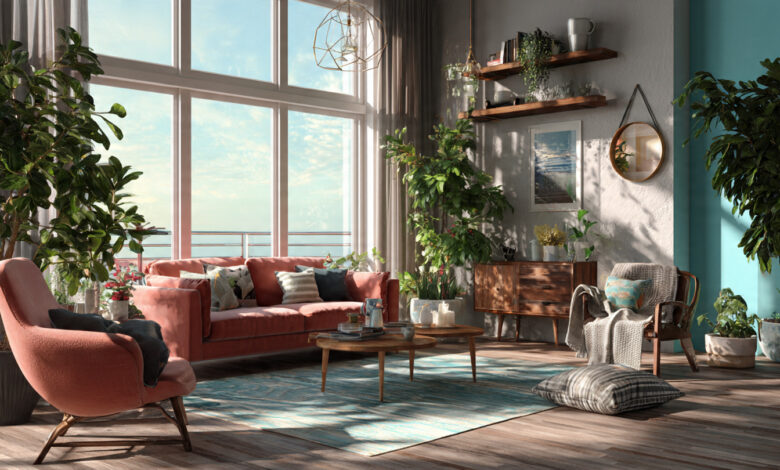
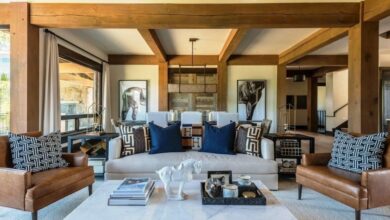
The world of interior design trends 2026 is bringing a refreshing shift away from the stark minimalism that dominated the last decade. This year, homeowners are embracing spaces that feel lived-in, layered, and genuinely personal. After years of all-white everything, the pendulum has swung toward warmth, character, and intentional design choices that reflect individual stories rather than Instagram-perfect showrooms.
What makes modern homes in 2026 different isn’t just aesthetics. It’s about creating environments that actually support how we live now. Think smart technology that disappears into the background, sustainable materials that get better with age, and furniture that serves multiple purposes without sacrificing style. The home design trends emerging this year blend cutting-edge innovation with traditional craftsmanship, proving that technology and tactility can coexist beautifully.
From sculptural furniture to moody color palettes, from AI-driven design solutions to handcrafted artisan pieces, 2026 represents a return to spaces with soul. Whether you’re planning a complete renovation or just want to refresh a single room, these 20 trends will help you create a home that’s not only current but timeless. Let’s explore what’s shaping interior design this year and how you can bring these ideas into your own space.
1. Moody Color Palettes Replace All-White Spaces
The reign of stark white interiors is officially over. Interior design trends 2026 are all about embracing depth, warmth, and dramatic color choices. Homeowners are gravitating toward rich hues like terracotta, rust, deep forest greens, and midnight blues that create atmosphere and personality.
Jewel tones are particularly popular this year. Think sapphire blue, emerald green, and cranberry red in formal spaces like dining rooms and living areas. These colors ground a room and pair beautifully with natural materials like wood, stone, and brass.
Key colors trending in 2026:
- Terracotta and clay tones
- Deep forest greens
- Midnight and navy blues
- Rust and burnt oranges
- Oxblood and cranberry red
The shift toward darker palettes isn’t just aesthetic. These colors create a sense of comfort and intimacy that white spaces often lack. They also photograph beautifully, which explains why you’ll see them dominating social media feeds throughout the year.
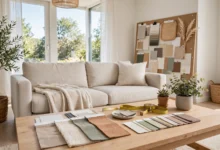
2. Sustainable Design Becomes Non-Negotiable
Sustainable interior design has moved from optional to essential in modern homes 2026. Homeowners are prioritizing eco-friendly materials and practices that reduce waste while maintaining high design standards.
Recycled and repurposed materials are everywhere. Reclaimed wood adds character to walls and floors, while recycled aluminum and bamboo appear in furniture and fixtures. The focus has shifted to one-off pieces with traceable origins rather than mass-produced items.
Sustainable choices include:
- Reclaimed and salvaged wood
- Recycled metal and glass
- Bamboo and cork flooring
- Organic textiles and natural fibers
- Energy-efficient lighting and appliances
According to Homes & Gardens, the emphasis is on materials that improve with use rather than degrade, creating homes that tell a story through their imperfections and patina.
3. Smart Home Integration That Actually Works
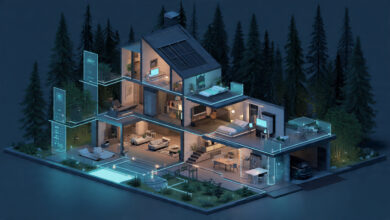
Smart home technology in 2026 is about invisible intelligence. The clunky, obvious tech of previous years has evolved into seamless systems that blend into your interior design without visual clutter.
Voice-controlled lighting, automated blinds, and intelligent climate control are becoming standard. But what’s different now is how these systems learn and adapt to your habits, making adjustments you’d make yourself before you even think about it.
Smart features homeowners are adding:
- AI-powered thermostats that learn your schedule
- Automated window treatments for privacy and light control
- Smart mirrors in bathrooms
- Built-in charging stations in furniture
- App-controlled security systems
The key is that technology should enhance your life without dominating the visual landscape of your home. The best installations are the ones you barely notice.
4. Curved and Sculptural Furniture
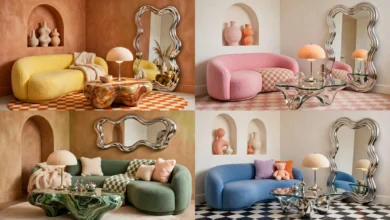
Sharp edges are softening across home design trends 2026. Curved furniture and organic forms are introducing flow and comfort into spaces that felt too rigid in recent years.
Sculptural furniture isn’t just about aesthetics. Psychologically, curved forms create a sense of safety and welcome. Rounded coffee tables, kidney-shaped sofas, and arched doorways make spaces feel more inviting and less institutional.
This trend extends beyond living room furniture. Bathroom vanities, kitchen islands, and even architectural elements are adopting softer, more organic silhouettes. The result is spaces that feel natural and human-centered rather than cold and minimalist.
5. Layered Textures Create Visual Depth
Texture is the new luxury in interior design 2026. Instead of using texture as an accent, it’s becoming the foundation of how rooms are built and styled.
Layered textures combine materials like velvet, wool, rattan, linen, and bouclé to create interiors that feel inviting and tactile. High-pile wool rugs anchor spaces, textured accent chairs add warmth, and velvet upholstery brings sophistication without feeling stuffy.
Texture combinations to try:
- Smooth wood with nubby wool
- Crisp linen with plush velvet
- Woven rattan with soft cotton
- Polished metal with rough stone
- Glass with natural fibers
The contrast between different textures creates visual interest in otherwise minimal rooms. A simple white sofa becomes rich when dressed with mixed-material pillows and throws.
6. Architectural Details Make a Comeback
Traditional architectural elements are returning to modern homes in 2026. Crown molding, chair rails, wainscoting, and decorative trim are redefining interiors, especially in newer construction that lacks character.
These details aren’t being replicated exactly as they were historically. Instead, designers are reimagining them with cleaner profiles and appropriate scale. Chair rails get paired with contemporary paint colors, and crown molding is sized correctly for modern ceiling heights.
Architectural details trending:
- Layered crown molding (2.5-6 inches for 8-foot ceilings)
- Picture frame molding
- Detailed baseboards and toe kicks
- Decorative ceiling treatments
- Paneling and beading
This trend connects to the broader “modern heritage” movement, which honors the past while designing for contemporary living.
7. Statement Mirrors and Reflective Elements
Oversized, sculptural mirrors are everywhere in interior design trends 2026. These aren’t your standard rectangular wall mirrors. They’re architectural pieces with unique frames, irregular shapes, and artistic presence.
Statement mirrors bring depth, reflect light, and act as focal points in living rooms, dining areas, and powder rooms. Some feature frames made from jagged ceramic shards, twisted copper wire, or hand-carved wood. Others incorporate LED lighting for added drama.
The most interesting mirrors trade symmetry for personality, creating pieces that feel more like art installations than functional items.
8. Terracotta and Earthy Materials
Terracotta tile and other earthy, natural materials are making a strong comeback. Homeowners are gravitating toward warmer, cozier aesthetics, and terracotta delivers that lived-in, timeless feel.
Whether you choose authentic terracotta or modern porcelain lookalikes, today’s options come in fresh shapes and patterns that feel contemporary. These materials work beautifully in kitchens, bathrooms, and outdoor spaces.
Clay tones work particularly well in rooms with abundant natural light, where they shift subtly throughout the day. They complement deep greens and midnight blues, creating grounded, sophisticated color schemes.
9. Biophilic Design and Indoor Gardens
Biophilic design is evolving beyond token plants in corners. Interior trends 2026 incorporate functional indoor farming, living walls, and smart gardens that blend technology with nature.
Compact, tech-driven gardens bring fresh herbs and microgreens to apartments where space is limited. These systems feature hydroponic tubes with AI-timed LED lighting, housed in minimalist designs made from recycled materials.
Biophilic elements include:
- Smart indoor gardens with automated watering
- Living moss walls
- Natural soundscapes
- Abundant natural light through larger windows
- Water features and aquariums
These elements create connections to nature that improve air quality, reduce stress, and support overall wellness.
10. Vintage and Antique Integration
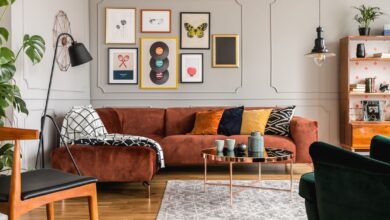
The curated maximalism trend is driving increased interest in vintage pieces and antiques. Rather than buying everything new, homeowners are mixing eras and styles to create spaces that feel collected over time.
Vintage floor lamps, mid-century furniture, and antique accessories add soul to corners that would otherwise feel generic. The key is intentional mixing—not manicured perfection—that absorbs the untidiness of real life with ease.
This approach is more sustainable and creates interiors that don’t look like anyone else’s. Each piece tells a story and contributes to a home’s unique character.
11. Decorative and Patterned Flooring
Flooring is getting more decorative in home design trends 2026. Herringbone, chevron, and Versailles patterns are showing up in renovations, especially where classic architectural language makes sense.
These patterns lend a sense of history and craftsmanship, even in newer spaces. They work particularly well in entryways, hallways, and formal dining rooms where you want to make a statement from the ground up.
Checkered flooring and geometric tiles are also popular, adding personality without requiring bold furniture choices.
12. Oversized and Voluptuous Seating
Oversized seating will dominate interiors this year. While comfort remains the priority, large sofas and chairs are becoming sculptural elements that define entire rooms.
Bold, bulky sectionals make effortless focal points in living spaces. These pieces aren’t just about size—they’re designed with algorithmic ergonomics that support the body’s natural alignment, reducing stress and improving comfort.
The best oversized furniture feels like an embrace, inviting you to sink in and stay a while.
13. Modular and Flexible Systems
Modular furniture systems are gaining momentum as homeowners realize they need flexibility more than permanence. Systems like USM Haller or Camaleonda allow you to own investment-grade design regardless of whether you own or rent.
These systems adapt as your needs change. You can reconfigure them when you move, add to them over time, and create custom solutions for unique spaces. This approach makes high-quality design accessible to people who might not otherwise invest in expensive furniture.
14. Stained Glass Reimagined
Stained glass is making a surprising comeback, but not in the traditional, church-like way you might expect. Modern stained glass appears in partitioned walls that filter colored light through spaces, or in mid-century inspired windows where geometry and glasswork meet.
This trend adds color, privacy, and architectural interest in ways that feel fresh rather than dated. It works particularly well in transitional spaces like stairwells and entryways.
15. Color Drenching and Tonal Decorating
Tonal decorating takes color commitment to the next level. Instead of using one bold accent wall, this technique layers varying strengths, tints, and temperatures of the same color across an entire room.
Color drenching works with neutrals, but it’s equally effective with bold hues. Sage into olive, rust into peach, navy into slate—these gradients create spaces that feel put together without being over-styled.
Color capping is a related trend, where tonal gradients intensify toward the ceiling, drawing the eye upward and adding dimension.
16. Wellness-Focused Design Elements
Wellness-focused design prioritizes occupant health and well-being through intentional choices about materials, air quality, and lighting.
Air-purifying paints and coatings, circadian lighting systems, and ergonomic furniture all contribute to healthier indoor environments. The goal is creating spaces that actively support physical and mental well-being.
Features like meditation corners, yoga spaces, and spa-like bathrooms reflect the growing understanding that our homes should support our health goals.
17. Bold Electric Colors in Unexpected Places
While moody tones dominate, electric colors are making strategic appearances in serious design magazines. Hot pink dining rooms, electric blue kitchen cabinets, and bright lime green accents demand commitment but reward homeowners with spaces that genuinely affect mood.
Professional colorists are mixing these brights carefully, paying attention to undertones so they complement various styles and elements. This trend represents a rejection of safe, resale-focused decorating in favor of personal expression.
18. Statement Stone and Natural Materials
Natural stone is getting more architectural in interior design 2026. Bold slabs with dramatic veining appear on range hoods, backsplashes extend to full-height countersplashes, and sculptural trim shows up on countertops.
Statement stone gives longevity and drama to spaces without feeling trendy. Marble, granite, and quartzite with strong patterns create focal points that can anchor an entire kitchen or bathroom design.
19. Fluted and Reeded Wood Details
Fluted and reeded wood is showing up on kitchen islands, cabinet fronts, wall panels, and furniture pieces. This architectural detail adds elevated craftsmanship to basic silhouettes, giving them unexpected artistry.
The vertical lines create visual interest and texture without overwhelming a space. According to Good Housekeeping, this detail works in both traditional and modern contexts, making it remarkably versatile.
20. Personalized and Narrative Design
The biggest trend in interior design 2026 might be the move toward truly personalized spaces. Custom artwork, travel memorabilia, personal collections, and bespoke details transform interiors into emotional narratives.
Modern homes are no longer trying to look like showrooms. They’re embracing the mess and beauty of real life, creating spaces that reflect individual values, routines, and identities.
This trend rejects the “one-look” interiors that dominated social media in favor of homes that tell unique stories. The result is spaces that feel storied rather than staged, lived-in rather than looked-at.
Conclusion
The interior design trends for 2026 represent a thoughtful evolution toward homes with heart and purpose. From sustainable materials and smart home integration to curved furniture and moody color palettes, these trends reflect our desire for spaces that support genuine living rather than performative perfection. The common thread throughout all 20 trends is authenticity—whether that’s through handcrafted artisan pieces, recycled materials, bold personal color choices, or technology that adapts to human needs rather than the other way around. As you consider which trends resonate with your own space, remember that the best modern homes are those that reflect who you actually are, not who design magazines think you should be.