How Much Does It Cost to Build a Swimming Pool
How much does it cost to build a swimming pool? A clear breakdown of pool types, sizes, features, and hidden costs to budget for.
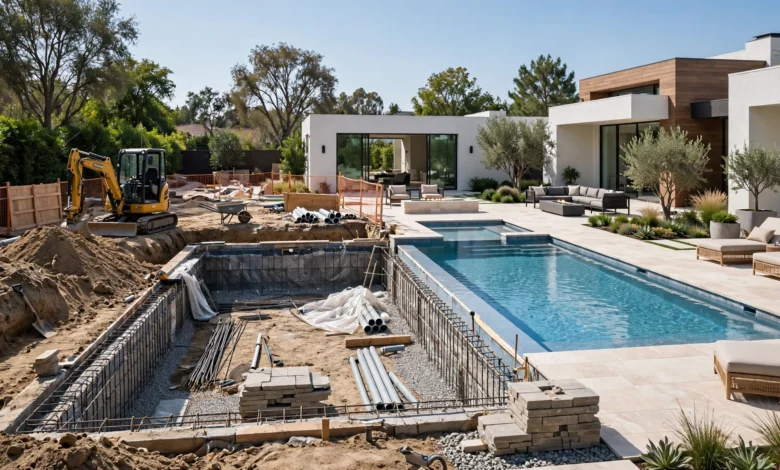
How Much Does It Cost to Build a Swimming Pool? 7 Essential Factors for Smart Budgeting
How much does it cost to build a swimming pool is one of those questions that doesn’t have a single clean answer, and anyone who gives you one number without asking follow-up questions probably isn’t giving you the full picture. Pool costs swing widely based on the type of pool, its size, the materials used, your location, and a long list of add-ons that can turn a modest project into a significantly larger investment.
This guide breaks down the real factors that determine swimming pool cost, from the type of pool you choose to the features that tend to push budgets higher than homeowners initially expect. We’ll cover the main pool types and their typical price ranges, the hidden costs that often get left out of early estimates, and how ongoing maintenance factors into the total cost of pool ownership over time. Whether you’re leaning toward an in-ground concrete pool or a more budget-friendly above-ground option, understanding what actually drives the price helps you set a realistic budget before requesting quotes.
By the end of this article, you’ll have a much clearer sense of what to expect financially, what questions to ask contractors, and where costs tend to creep up unexpectedly during a pool build. Pricing details here reflect general industry ranges rather than a quote for your specific property, so treat these figures as a starting point for research rather than a final number, and always get multiple quotes from licensed local contractors before committing to a project.
Why Swimming Pool Costs Vary So Much
Before getting into specific numbers, it helps to understand why pool pricing swings as widely as it does. A swimming pool cost estimate depends on several interacting factors:
- Pool type, since concrete, fiberglass, vinyl liner, and above-ground pools all have very different price structures
- Size and depth, which directly affects material and labor costs
- Site conditions, including soil type, slope, and access for construction equipment
- Local labor and permitting costs, which vary significantly by region
- Added features, like heating, lighting, water features, and decking
Two homes in the same neighborhood can end up with dramatically different pool costs depending on how many of these factors stack up.
1. Pool Type: The Biggest Factor in Overall Cost
The type of pool you choose is usually the single largest driver of total cost. Each type comes with different installation timelines, durability profiles, and long-term maintenance needs.
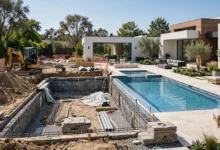
Concrete (Gunite) Pools
Concrete pools, sometimes called gunite pools, are the most customizable option and generally the most expensive to install. They allow for nearly unlimited shapes, sizes, and depths, but require more labor and a longer construction timeline, often several months from start to finish.
- Highest upfront cost among the main pool types
- Most durable and long-lasting when properly maintained
- Fully customizable shape and features
- Requires periodic resurfacing, typically every 10-15 years
Fiberglass Pools
Fiberglass pools arrive as a pre-formed shell that’s installed in an excavated hole, which significantly shortens installation time compared to concrete.
- Mid-range cost, generally less than concrete but more than vinyl liner
- Faster installation, often completed within a few weeks
- Smooth surface that resists algae growth better than concrete
- Limited to manufacturer shapes and sizes, less customizable
Vinyl Liner Pools
Vinyl liner pools use a custom-fitted liner over a structural wall system, offering a lower upfront cost than concrete or fiberglass.
- Lowest upfront cost among in-ground pool types
- Liner typically needs replacement every 7-10 years, an ongoing cost to factor in
- Smooth, comfortable surface
- Reasonably customizable shape, though less so than concrete
Above-Ground Pools
Above-ground pools are by far the most budget-friendly option and require minimal site preparation compared to in-ground alternatives.
- Significantly lower cost than any in-ground pool type
- Fastest installation, often completed within a day or two
- Shorter expected lifespan than in-ground options
- Limited in size, shape, and long-term property value impact
2. Size and Depth Directly Scale Your Costs
Pool size has a fairly direct relationship with cost, since larger pools require more excavation, more material, and more water treatment capacity. A small plunge pool costs meaningfully less than a large family-sized pool, and depth adds cost as well, since deeper pools require more excavation and structural reinforcement.
Factors that scale with size include:
- Excavation volume and disposal of removed soil
- Amount of concrete, fiberglass, or vinyl material needed
- Pump and filtration system sizing to handle the water volume
- Heating costs, since larger volumes of water take more energy to heat
Homeowners often reduce costs by choosing a slightly smaller pool rather than compromising heavily on features, since size reductions tend to save more per square foot than cutting individual features.
3. Site Conditions Can Add Unexpected Costs
Site conditions are one of the most commonly underestimated cost factors in pool construction. A relatively simple, flat, easily accessible yard costs far less to work with than a sloped, rocky, or hard-to-access site.
Site-related cost factors include:
- Soil type, since rocky or unstable soil often requires additional excavation work or structural reinforcement
- Slope, which may require retaining walls or significant grading before construction can begin
- Access for equipment, since a backyard with limited access may require manual excavation or smaller equipment, both of which add labor costs
- Existing utilities, which sometimes need rerouting before excavation can safely proceed
A contractor should assess these conditions directly before providing a firm quote, since site-specific issues are one of the most common reasons final costs exceed initial estimates.
4. Added Features Can Significantly Increase Your Budget
Beyond the core pool structure, most homeowners add features that improve usability and appearance, and these add-ons can meaningfully increase total project cost.
Common additional features include:
- Pool heating systems, extending usable swimming season but adding both installation and ongoing energy costs
- Water features, like waterfalls, fountains, or deck jets, which add visual appeal but increase both upfront and pump-related energy costs
- Lighting, including underwater LED lighting for evening use
- Decking and patio surrounds, often a significant portion of total project cost depending on material choice
- Safety fencing, required by many local building codes and an important safety consideration regardless of code requirements
- Automatic pool covers, which reduce heating costs and improve safety but add meaningfully to the upfront budget
It’s worth prioritizing which of these features matter most to you, since trying to include everything at once is usually what pushes a pool project well beyond its original budget.
5. Permits, Inspections, and Regulatory Costs
Most jurisdictions require permits for pool construction, and skipping this step isn’t just risky, it can create serious problems when selling your home later if the pool was never properly permitted.
Typical regulatory costs and requirements include:
- Building permits, which vary in cost significantly by municipality
- Inspections at various stages of construction, particularly around structural and electrical work
- Fencing and safety code compliance, often legally required around pools regardless of personal preference
- Setback requirements, dictating how close a pool can be built to property lines or structures
The Consumer Product Safety Commission’s pool safety guidance is a useful resource for understanding baseline safety expectations, many of which overlap with local permitting requirements, particularly around fencing and barrier code compliance.
6. Ongoing Maintenance Costs Add Up Over Time
The upfront construction cost is only part of the financial picture. Pool maintenance costs continue for as long as you own the pool, and it’s worth budgeting for these realistically before committing to a build.
Ongoing costs typically include:
- Chemical treatment to maintain proper water balance and sanitation
- Electricity for pumps, filtration systems, and any heating
- Routine cleaning, whether done yourself or through a pool service
- Periodic repairs, including pump replacement, liner repair, or resurfacing depending on pool type
- Winterization, if you live somewhere with a cold season that requires closing the pool part of the year
Many homeowners underestimate this ongoing cost when budgeting for a pool, focusing entirely on the construction price and getting caught off guard by the recurring expenses that follow.
7. Financing and Getting Accurate Quotes
Given the wide range in potential cost, getting multiple detailed quotes is one of the most important steps before committing to a pool project.
When comparing contractor quotes, look for:
- A clear, itemized breakdown rather than a single lump-sum number
- Confirmation of what’s included versus what counts as an add-on
- Timeline estimates, including how weather or supply delays are typically handled
- Warranty details on both materials and workmanship
- References from recent local clients, ideally with pools installed on similar site conditions to yours
If financing the project, it’s worth comparing options like home equity loans, personal loans, or contractor financing plans, since interest rates and terms can vary significantly. This is a genuinely significant financial decision, so it’s worth taking the time to compare offers carefully rather than accepting the first financing option presented, and consulting a financial advisor if you’re unsure which option fits your broader financial picture.
Typical Cost Ranges by Pool Type
While exact numbers vary significantly by region and project specifics, general industry ranges tend to fall roughly as follows:
- Above-ground pools: Generally the most affordable, often a few thousand dollars for a standard installation
- Vinyl liner pools: Typically mid-range for in-ground options
- Fiberglass pools: Usually comparable to or slightly above vinyl liner pricing
- Concrete/gunite pools: Generally the highest cost among common pool types, particularly for larger or highly customized designs
These figures should be treated as general starting points for research rather than a quote for your specific project. Actual costs
depend heavily on your region, site conditions, and the specific features included, so local contractor quotes remain the most reliable way to budget accurately.
Common Mistakes That Blow Up Pool Budgets
A few recurring issues tend to push pool projects over budget:
- Underestimating site prep costs, especially on sloped or hard-to-access lots
- Adding features incrementally without reassessing the total budget along the way
- Skipping permits to save money upfront, risking costly corrections later
- Ignoring long-term maintenance costs when comparing pool types
- Accepting a single quote without comparing detailed, itemized estimates from multiple contractors
Conclusion
How much does it cost to build a swimming pool ultimately depends on the pool type you choose, its size, your site conditions, the features you add, and ongoing maintenance requirements that continue well after construction wraps up. Concrete pools sit at the higher end of the spectrum with the most customization, while fiberglass, vinyl liner, and above-ground options offer progressively more budget-friendly alternatives with their own tradeoffs. Getting multiple detailed, itemized quotes and budgeting honestly for both the build and the years of maintenance that follow is the most reliable way to avoid the budget surprises that catch so many homeowners off guard during a pool project.