Landscape Designer Guide for Homes in Colorado
Landscape designer guide for Colorado homes: how to plan for altitude, clay soil, hail, and drought before your next yard project.
Landscape Designer Guide for Colorado Homes: 9 Essential Tips for a Resilient Garden
Landscape designer guide for homes in Colorado is a search that usually comes from people who’ve already run into one of the state’s more frustrating gardening realities: something that grows perfectly fine in most of the country simply doesn’t survive here. Between high altitude, intense UV exposure, clay soil, wild temperature swings, and a genuinely short growing season, Colorado’s climate asks more of a garden design than almost anywhere else in the country.
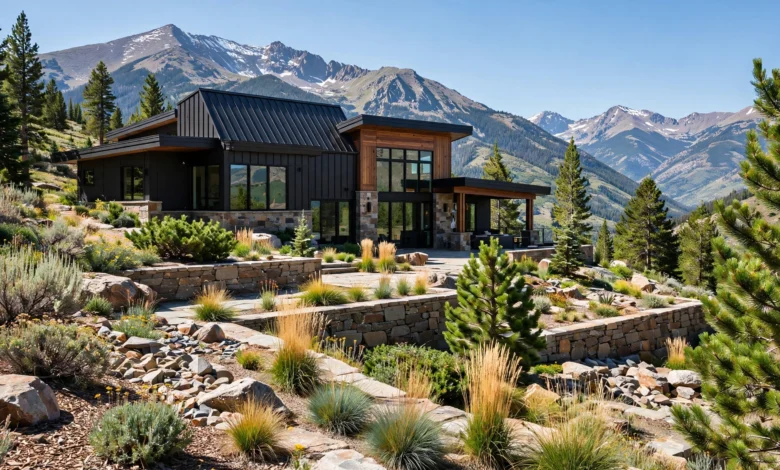
This guide covers what a landscape designer in Colorado actually factors into a project, from Front Range clay soil and semi-arid water restrictions to hail-resistant planting and the realities of designing at elevation. Whether you’re in Denver, Colorado Springs, Fort Collins, or a mountain community further west, the fundamentals of designing for Colorado’s climate stay largely consistent, even though specific plant choices shift depending on elevation and local microclimate.
By the end of this article, you’ll understand what makes Colorado landscape design genuinely different from other regions, which plants and materials actually hold up here, and what to ask a designer before committing to a full yard plan. We’ll also cover xeriscaping principles, HOA considerations common across Front Range communities, wildlife-resistant planting for areas with deer and elk pressure, and the most common mistakes that lead to a garden needing constant repair after its first Colorado winter or hailstorm.
Why Colorado Demands a Different Design Approach
Colorado’s climate combines several challenges that rarely show up together anywhere else in the country. A knowledgeable landscape designer builds a plan around these realities from day one:
- High altitude and intense UV exposure, which stresses plants not bred for these conditions
- Semi-arid climate with limited rainfall, especially along the Front Range
- Heavy clay soil in many Denver-area neighborhoods, alongside sandier soil in other regions
- Dramatic temperature swings, sometimes 30-40 degrees within a single day
- Hail risk, a genuine and recurring threat to soft-leafed plants during the growing season
- Short growing seasons at higher elevations, sometimes just a few frost-free months
A design that ignores these factors tends to look promising in spring and then struggle badly by midsummer or the first hard freeze.
1. Understand Your Soil Before Planting Anything
Colorado soil varies significantly by region, but much of the Front Range, including large parts of Denver, sits on dense clay soil that drains poorly and can be difficult to amend without real effort.
A proper soil assessment typically checks:
- Soil texture, since Front Range clay behaves very differently from sandier soils found elsewhere in the state
- Drainage rate, often slow in clay-heavy areas
- pH level, which tends to run alkaline in much of Colorado
- Compaction, especially common on new-build lots where topsoil was disturbed during construction
For heavy clay soil, most designers recommend working in organic matter over time or building raised beds rather than fighting the native soil directly, since clay in this region can be notoriously slow to improve through amendment alone.
2. Choose Plants Suited to Colorado’s Climate and Elevation
Plant selection is where a landscape designer’s guide for Colorado homes matters most. Plants that thrive at sea level or in more temperate climates often fail here due to elevation, UV intensity, or drought stress.
Reliable choices for Colorado landscapes include:
- Colorado blue columbine, the official state flower and well suited to Colorado’s climate and soil
- Rabbitbrush, an extremely drought-tolerant native shrub
- Blue grama grass, a native, low-water lawn alternative increasingly popular across the Front Range
- Russian sage, tolerant of drought, poor soil, and Colorado’s intense sun
- Ponderosa pine, a hardy, native evergreen suited to a range of elevations
Colorado State University Extension’s plant selection resources are a strong reference point for confirming which species suit your specific elevation and region before finalizing a plant list.
3. Plan for Colorado’s Water Realities
Much of Colorado operates under semi-arid conditions, and water rights and usage rules here are more complex than in most states, sometimes affecting what a homeowner can legally do with rainwater or well water on their own property.
Practical water planning includes:
- Designing around xeriscaping principles, which prioritize drought-tolerant plants and efficient irrigation rather than eliminating a garden’s visual appeal
- Checking local water provider rules on watering schedules, especially during drought years
- Understanding Colorado’s specific rainwater collection laws, which historically limited rain barrel use more than most other states before recent legal changes
- Using drip irrigation over spray systems to reduce water loss, particularly important given the state’s low humidity and high evaporation rates
Given how much Colorado’s water rules can vary and shift, it’s worth confirming current regulations with your municipality or water provider before finalizing an irrigation plan.
4. Design for Hail Resistance
Hail is a genuinely distinct design consideration in Colorado that most other regions don’t need to plan around. Large hail events, common along the Front Range in late spring and early summer, can shred soft-leafed plants and damage delicate blooms within minutes.
Hail-resistant design choices include:
- Choosing tougher, leathery-leafed plants over delicate, thin-petaled varieties in more exposed garden beds
- Positioning vulnerable plants under eaves, pergolas, or larger shrubs for partial protection
- Selecting resilient perennials that can rebound after damage, since many
- established plants recover even after a hard hail event
- Avoiding glass or fragile garden structures in open, unprotected areas
No design fully hail-proofs a garden, but thoughtful placement and plant choice meaningfully reduce how much damage a typical storm causes.
5. Account for Wildlife Pressure
Many Colorado properties, especially in foothills communities and areas bordering open space, deal with real deer and sometimes elk pressure that can devastate an otherwise well-planned garden overnight.
Wildlife-resistant plant choices include:
- Russian sage and lavender, generally unappealing to deer due to their strong scent
- Ornamental grasses, which deer tend to avoid compared to softer foliage
- Yarrow, a hardy, deer-resistant perennial suited to Colorado conditions
- Fencing or physical barriers for vegetable gardens or particularly vulnerable plantings, since even “deer-resistant” plants aren’t always deer-proof in a hard winter when food is scarce
A designer working in a wildlife-heavy area will typically build a plant list around resistant species from the start, rather than planting appealing options and hoping fencing alone solves the problem.
6. Understand HOA and Local Water-Wise Requirements
Many Colorado communities, particularly newer developments along the Front Range, operate under homeowners’ associations with specific landscaping requirements, and a growing number now actively encourage or require water-wise, xeriscape-style front yards rather than traditional turf lawns.
Before finalizing a design, check:
- Approved plant lists or turf restrictions specific to your HOA
- Any local rebate programs for replacing lawn with water-wise landscaping, which several Front Range municipalities now offer
- Fencing height and material restrictions common in many Colorado subdivisions
- Rules around vegetable gardens or raised beds in front-facing yards
Several Colorado water providers now offer turf replacement rebate programs, which can meaningfully offset the cost of converting high-water lawn areas to more climate-appropriate planting.
7. Plan for a Short Growing Season at Higher Elevations
Properties at higher elevations, including many mountain communities, deal with a genuinely short frost-free growing season, sometimes only a few months long. This changes what’s realistic to plant and when.
Practical adjustments include:
- Starting seeds indoors well before the last frost date to maximize the usable growing window
- Choosing shorter-season vegetable varieties for any food gardening
- Prioritizing perennials and hardy shrubs over annuals that need a longer season to establish
- Using cold frames or row covers to extend the effective growing season where practical
A designer working at higher elevations will typically factor in your specific frost dates, which can vary significantly even within a relatively small geographic area in mountainous terrain.
8. Choose Hardscaping Materials That Handle Temperature Swings
Colorado’s dramatic freeze-thaw cycles put real stress on hardscaping materials. Patios, walkways, and retaining walls need to handle repeated expansion and contraction without cracking.
Reliable hardscaping choices for Colorado’s climate include:
- Flagstone, a popular, durable choice that handles freeze-thaw cycles reasonably well
- Properly base-prepared pavers, since inadequate base preparation is the most common cause of paver heaving in freeze-thaw climates
- Poured concrete with control joints, designed specifically to manage cracking from temperature swings
- Gravel paths, a lower-cost, flexible option that handles seasonal ground movement without cracking
Proper base preparation matters more here than in milder climates, since inadequate prep is one of the most common reasons hardscaping fails within just a few years in Colorado’s freeze-thaw conditions.
9. Hire a Designer With Genuine Colorado Experience
Not every landscape designer, even a skilled one, has direct experience with Colorado’s specific combination of altitude, clay soil, hail, and dramatic temperature swings. Someone used to designing for a milder, more consistent climate may default to plants and materials that simply don’t perform the same way here.
When evaluating a landscape designer for a Colorado home, ask:
- Have you designed projects specifically at this elevation or in this region of Colorado before?
- How do you approach xeriscaping and water-wise design given local restrictions?
- What’s your experience with hail-resistant and wildlife-resistant planting?
- Are you familiar with HOA and turf-replacement rebate requirements in this area?
A designer who answers these specifically, with real regional examples, is a strong signal they understand what makes Colorado landscaping genuinely different from the rest of the country.
Common Mistakes to Avoid
A few recurring issues show up again and again in Colorado landscaping projects:
- Choosing thirsty, non-native plants that struggle against the state’s semi-arid conditions
- Ignoring clay soil drainage issues, leading to root rot in poorly draining beds
- Ignoring hail exposure when placing delicate or soft-leafed plants
- Skipping wildlife-resistant planting in deer or elk-heavy areas, leading to repeated plant loss
- Underestimating freeze-thaw stress on hardscaping, resulting in early cracking or heaving
Conclusion
Landscape designer guide for homes in Colorado ultimately comes down to designing around the state’s altitude, clay soil, semi-arid climate, and dramatic temperature swings rather than fighting them. Choosing native and drought-tolerant plants, planning for hail and wildlife pressure, following xeriscaping principles, and using hardscaping materials built to handle freeze-thaw cycles all lead to a landscape that survives Colorado’s toughest conditions rather than needing constant repair afterward. Get these fundamentals right from the start, and a Colorado yard can stay genuinely resilient and attractive across every season the state throws at it.