10 Landscape Design Ideas for Low-Maintenance Yards
Landscape design ideas for low-maintenance yards that actually cut down on weekend work, from smart plant choices to smarter layouts.
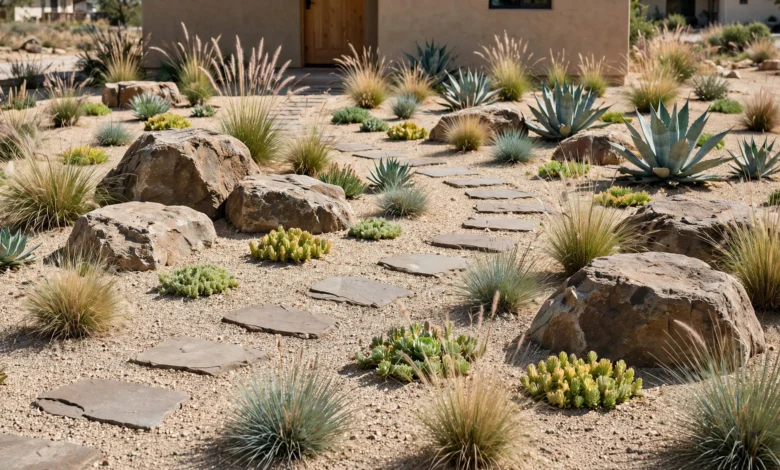
Landscape Design Ideas for Low-Maintenance Yards: 10 Effortless Tips for a Beautiful Yard
Landscape design ideas for low-maintenance yards tend to get requested by two kinds of people: those who love the idea of a nice yard but hate spending every weekend on it, and those who simply don’t have the time anymore, whether that’s due to work, family, or just wanting their free time back. Either way, the good news is that a beautiful yard and a low-maintenance yard aren’t opposites. With the right layout and plant choices, you can have both.
This article walks through ten practical, proven ideas for building a low-maintenance landscape that still looks intentional and cared for, rather than neglected. We’ll cover plant selection, ground cover alternatives to grass, smart irrigation, and layout choices that cut down on weekly upkeep without sacrificing curb appeal. Some of these ideas work well on their own, and others compound nicely when combined, so you don’t have to pick just one.
Whether you’re redoing an entire yard or just tired of mowing a patch of lawn that never quite looks right, these ideas are meant to be practical starting points rather than an all-or-nothing overhaul. A few small changes, like swapping a section of turf for native groundcover or switching to drip irrigation, can meaningfully reduce the time a yard demands each week. By the end of this guide, you’ll have a clear sense of which low-maintenance strategies fit your space, your climate, and how much yard work you’re actually willing to do.
Why Low-Maintenance Doesn’t Mean Low-Effort Design
Before getting into specific ideas, it’s worth clarifying something: a low-maintenance yard still requires thoughtful planning upfront. The lower long-term effort comes from good decisions made early, like plant selection, soil prep, and layout, not from skipping the design process altogether. A rushed, poorly planned yard usually ends up needing more maintenance, not less, because the wrong plants in the wrong spots tend to struggle and require constant intervention.
With that in mind, here are ten ideas that genuinely reduce ongoing yard work when done right.
1. Replace Lawn Areas With Groundcover
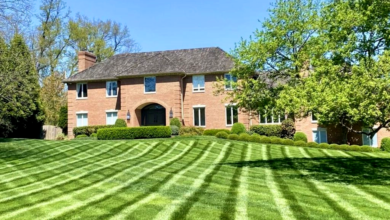
Traditional turf grass is one of the highest-maintenance elements in most yards. It needs regular mowing, frequent watering, fertilizing, and often pest or weed control. Replacing some or all of your lawn with groundcover plants cuts down on nearly all of that.
Good low-maintenance groundcover options include:
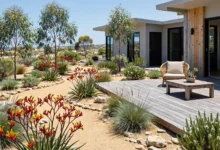
- Creeping thyme, which tolerates foot traffic and needs almost no mowing
- Sedum varieties, extremely drought-tolerant and low-growing
- Clover, which stays green with far less water than traditional grass and fixes nitrogen in the soil
- Ornamental grasses, planted in mass for a modern, low-upkeep look
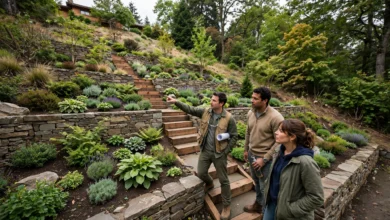
You don’t have to replace an entire lawn at once. Many homeowners start by converting high-effort sections, like slopes that are hard to mow or shaded areas where grass struggles anyway.
2. Choose Native and Drought-Tolerant Plants
Native plants are adapted to your local climate, soil, and rainfall patterns, which means they generally need far less water, fertilizer, and pest management than non-native ornamentals.
Benefits of native plant selection include:
- Reduced watering needs once established, often eliminating the need for irrigation entirely after the first year or two
- Better resistance to local pests and diseases
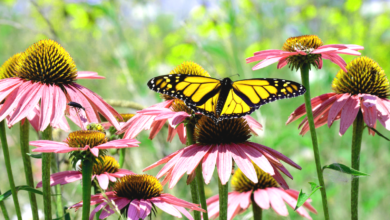
- Support for local pollinators and wildlife
- Lower fertilizer requirements, since native plants are suited to native soil conditions
The U.S. Forest Service’s native plant resources are a solid starting point for identifying species suited to your specific region before finalizing a plant list.
3. Install a Drip Irrigation System
Manual watering, or an inefficient sprinkler system, is one of the biggest time drains in yard maintenance. A drip irrigation system delivers water directly to plant roots on a timer, cutting down watering time to essentially zero once it’s installed.
Advantages of drip irrigation include:
- Reduced water waste compared to overhead sprinklers
- Consistent watering without you needing to remember to do it
- Lower risk of fungal disease, since foliage stays dry
- Easy to pair with a smart controller that adjusts for rainfall automatically
This is one of the highest-impact upgrades for anyone serious about cutting yard maintenance time, since it removes one of the most frequent, repetitive tasks entirely.
4. Use Mulch to Cut Down on Weeding
A thick layer of mulch does more than make garden beds look tidy. It suppresses weed growth, retains soil moisture, and moderates soil temperature, all of which reduce the amount of ongoing bed maintenance required.
A few practical tips:
- Apply mulch 2-3 inches deep for effective weed suppression
- Keep mulch a few inches away from plant stems and tree trunks to prevent rot
- Choose organic mulch (bark, wood chips) for beds that benefit from added soil nutrients over time
- Refresh mulch annually rath
- er than letting it break down completely
Beds that are properly mulched need noticeably less weeding throughout the growing season, which is one of the more time-consuming yard tasks for most homeowners.
5. Add Hardscaping to Reduce Planted Area
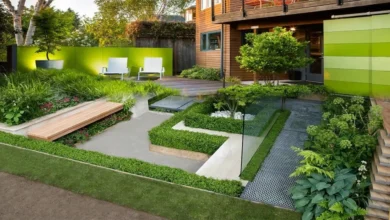
Every square foot of hardscaping, patios, gravel paths, decking, is a square foot that doesn’t need watering, mowing, or weeding. Thoughtfully increasing hardscaping in a yard design is one of the most direct ways to lower long-term maintenance.
Popular low-maintenance hardscaping choices include:
- Paver patios, which handle weather well and rarely need repair
- Gravel paths or beds, especially when paired with a weed barrier underneath
- Decking, useful for sloped or awkward areas where lawn is hard to maintain anyway
- Permeable pavers, which handle drainage while still cutting down planted area
A good rule of thumb is balancing hardscaping with plantings so the yard still feels green and inviting, rather than overly paved.
6. Choose Slow-Growing, Low-Maintenance Shrubs
Fast-growing shrubs might fill in a space quickly, but they also demand more frequent pruning to keep them in check. Choosing slow-growing shrubs from the start reduces how often you need to get out the pruning shears.
Reliable low-maintenance shrub choices include:
- Boxwood, known for slow, controlled growth and classic structure
- Dwarf conifers, which stay compact without heavy pruning
- Compact hydrangea varieties, bred specifically to stay smaller than standard types
- Juniper, extremely tolerant of poor soil and infrequent watering
Slower growth also means less green waste to manage each season, which is an underrated benefit for anyone trying to minimize yard work overall.
7. Group Plants by Water and Sun Needs
A design principle called hydrozoning groups plants with similar water requirements together, so you’re not over-watering drought-tolerant plants or under-watering thirstier ones in the same bed. This single design choice can meaningfully cut down on both wasted water and maintenance time.
Practical hydrozoning steps include:
- Grouping high-water plants (if any) closest to the house or a water source
- Placing drought-tolerant plants in beds farther from irrigation lines
- Matching plant water needs to natural drainage patterns in your yard
- Avoiding mixed beds where one plant’s ideal watering schedule stresses another
This approach pairs especially well with drip irrigation, since each zone can be set to water on its own schedule rather than one blanket setting for the whole yard.
8. Use Raised Beds for Any Food Gardening
If part of your yard includes a vegetable or herb garden, raised beds dramatically cut down on maintenance compared to in-ground planting. They offer better drainage, warmer soil in spring, and far less weeding, since the contained soil starts cleaner than open ground.
Benefits of raised beds include:
- Reduced weed pressure compared to ground-level beds
- Better control over soil quality and drainage
- Easier access for planting, harvesting, and maintenance without bending as far
- Fewer pest issues from ground-dwelling insects and some burrowing animals
Even a modest raised bed setup can simplify food gardening enough to make it a low-effort part of an otherwise minimal-maintenance yard.
9. Limit Plant Variety to Reduce Complexity
It might seem counterintuitive, but a simplified plant palette is genuinely easier to maintain than a yard packed with dozens of different species, each with its own watering, pruning, and seasonal needs.
A streamlined approach might include:
- 3-5 core plant species repeated throughout the yard for visual consistency
- A mix of evergreen structure plants and a few seasonal accents
- Fewer total plant varieties to track for pest issues, watering schedules, and pruning timing
This doesn’t mean a boring yard. Repetition of a smaller plant palette, especially when varied in size and placement, often reads as more intentional and polished than a yard with too many competing elements.
10. Work With a Landscape Designer for a Cohesive Low-Maintenance Plan
While plenty of these ideas can be implemented on your own, working with a landscape designer experienced in low-maintenance design ensures all these elements work together rather than as a patchwork of separate fixes. A designer can:
- Assess your specific soil, sun, and climate conditions before recommending plants
- Balance hardscaping and planted areas for the right maintenance-to-appeal ratio
- Design an irrigation layout matched to your actual plant groupings
- Recommend a plant palette suited to your region’s native and drought-tolerant species
For homeowners who want a genuinely cohesive design rather than a collection of individual low-maintenance tweaks, this is often the fastest path to a yard that looks great without demanding constant attention. Resources like the EPA’s WaterSense landscaping guidance can also help you evaluate whether a proposed design meets water-efficiency standards worth discussing with your designer.
Common Mistakes That Undo Low-Maintenance Design
A few habits tend to sabotage even a well-planned low-maintenance yard:
- Skipping mulch renewal, allowing weeds to creep back in over time
- Overwatering drought-tolerant plants out of habit, which can actually stress or kill them
- Choosing fast-growing plants for their initial fullness without considering long-term pruning needs
- Ignoring soil prep, which leads to struggling plants that need more intervention, not less
Conclusion
Landscape design ideas for low-maintenance yards all share a common thread: reduce the ongoing demands of watering, mowing, weeding, and pruning by making smarter choices upfront, from native and drought-tolerant plants to drip irrigation, groundcover instead of turf, and a simplified, well-grouped plant palette. None of these ideas require sacrificing how the yard looks. If anything, a thoughtfully planned low-maintenance yard often looks more polished than a high-upkeep one that’s fallen behind on care. Start with one or two changes that address your biggest time drains, whether that’s mowing or weeding, and build from there toward a yard that genuinely takes care of itself.