Roofing & Gutter Maintenance Checklist for Homeowners in Ohio
Roofing and gutter maintenance checklist for Ohio homeowners: seasonal steps to prevent leaks, ice dams, and costly storm damage.
Roofing & Gutter Maintenance Checklist: 12 Essential Steps Every Ohio Homeowner Needs
A roofing and gutter maintenance checklist is something every Ohio homeowner should keep close at hand, and not just because it sounds responsible. Ohio’s weather is genuinely rough on homes. You get humid, storm-heavy summers, freezing winters with ice and snow, and those unpredictable spring weeks where it’s 70 degrees one day and sleeting the next. That kind of freeze-thaw cycling is exactly what wears down shingles, loosens flashing, and clogs gutters faster than in milder climates.
The good news is that most roof and gutter problems in Ohio are preventable with regular, seasonal upkeep. A missed gutter cleaning or a small shingle crack rarely causes damage on its own, but ignored long enough through a few Ohio winters, it turns into a leak, water-stained ceiling, or a foundation problem. Homeowners insurance also doesn’t always cover damage that resulted from neglect, so staying ahead of maintenance protects both your home and your wallet.
In this guide, we’ll walk through a complete roof and gutter maintenance checklist built specifically around Ohio’s climate, covering what to check each season, warning signs that mean it’s time to call a professional, and simple habits that can add years to your roof’s lifespan.
Why Ohio’s Climate Makes Roof and Gutter Maintenance Non-Negotiable
Ohio sits in a climate zone that experiences all four seasons with real intensity. Summers bring heavy thunderstorms and occasional hail, especially in central and northern Ohio. Winters bring snow, ice, and repeated freeze-thaw cycles that are particularly hard on aging shingles and gutter seams.
This freeze-thaw pattern is worth understanding because it’s the root cause of so many Ohio roofing issues. Water seeps into small cracks in shingles or sealant during a thaw, then freezes and expands overnight, widening the crack. Repeat that cycle dozens of times over a winter, and even a roof in decent shape can develop leaks by spring. The National Weather Service tracks Ohio’s seasonal weather patterns, and the data consistently shows the kind of temperature swings that make freeze-thaw damage a year-round concern rather than a one-time winter event.
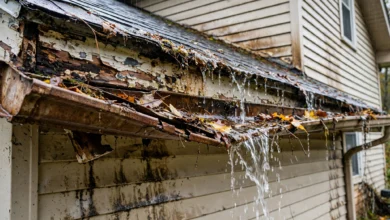
Gutters take a similar beating. Ohio’s mix of falling leaves in autumn, heavy rain in spring and summer, and snow and ice in winter means gutters are working hard nearly every month of the year. A clogged or damaged gutter system doesn’t just overflow, it can send water directly against your siding and foundation, which is a much more expensive problem than a $150 gutter cleaning.
Spring Roof and Gutter Maintenance Checklist
Spring is the best time to assess winter damage before summer storms arrive.


- Inspect shingles for winter damage. Walk around your home and look for curled, cracked, or missing shingles, especially after a winter with heavy ice or snow load.
- Clean out gutters and downspouts. Remove leaves, twigs, and sediment that built up over winter. Check that water flows freely through downspouts and away from the foundation.
- Check for granule loss. If you notice sand-like granules collecting in your gutters, your shingles may be nearing the end of their lifespan.
- Look for signs of ice dam damage. Check the roofline and attic for water stains, which can indicate ice dams formed and caused leaking over the winter.
- Trim overhanging tree branches. Branches that hang over the roof drop debris into gutters and can scrape shingles during windy spring storms.
Why Spring Inspections Matter Most
Spring inspections catch problems before they compound. A small ice dam leak that goes unnoticed in March can lead to mold growth in your attic insulation by July if it’s not addressed. Catching issues early is almost always cheaper and faster to fix than waiting for a visible ceiling stain to force the issue.
Summer Roof and Gutter Maintenance Checklist
Summer in Ohio brings intense heat, humidity, and severe thunderstorms, sometimes with hail.
- Check attic ventilation. Poor attic ventilation traps heat, which can shorten the lifespan of asphalt shingles and increase cooling costs. Look for adequate soffit and ridge vents.
- Inspect for hail or wind damage after storms. Look for dented, bruised, or missing shingles following any severe storm, particularly in central and southwest Ohio, which see higher hail frequency.
- Clean gutters again after summer storms. Heavy rain can wash debris into gutters quickly, so a second cleaning mid-summer is a smart habit, especially under trees.
- Check flashing around chimneys, vents, and skylights. Summer heat can dry out and crack old sealant, creating gaps where water can enter during storms.
- Look for signs of pest activity. Squirrels, birds, and insects are more active in summer and can damage roofing edges or gutter guards while nesting.
Dealing With Ohio’s Storm Season
Ohio’s severe weather season typically peaks in late spring through summer, with the potential for straight-line winds and occasional tornado activity. After any significant storm, it’s worth doing a visual inspection from the ground with binoculars, checking for missing shingles, dented gutters, or debris caught in the roofline. If you suspect storm damage, document it with photos right away, since this can support an insurance claim if repairs are needed.
Fall Roof and Gutter Maintenance Checklist
Fall is arguably the most important season for gutter maintenance in Ohio, given how many trees drop leaves across the state.
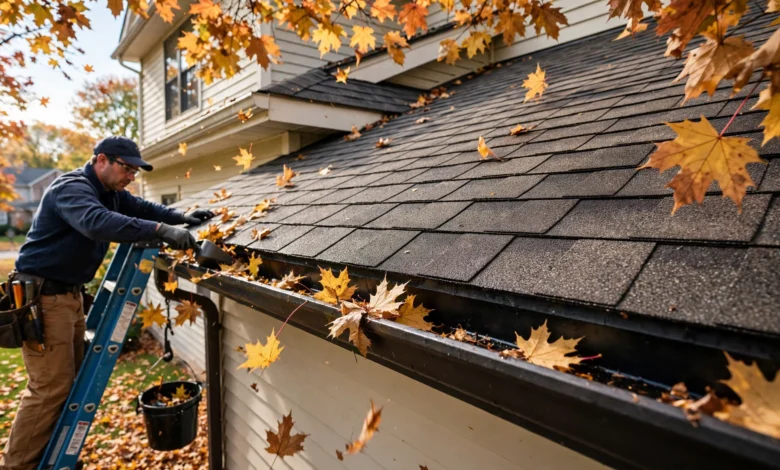
- Clean gutters thoroughly, more than once if needed. Ohio’s mix of maple, oak, and other deciduous trees means gutters can clog multiple times during peak leaf drop.
- Install gutter guards if you don’t already have them. Guards reduce how often you need to clean gutters and help prevent clogs heading into winter, when access is harder.
- Inspect and reseal roof flashing. Fall is a good time to catch any flashing issues before winter ice makes repairs more difficult and more expensive.
- Check for proper attic insulation. Adequate insulation reduces the risk of ice dams by keeping your roof’s surface temperature more consistent through winter.
- Trim tree limbs before the first snow. Ice-laden branches are far more likely to snap and damage roofing or gutters, so trimming in fall reduces winter risk.
Preventing Ice Dams Before They Start
Ice dams form when heat escaping from your attic melts snow on the upper roof, which then refreezes at the colder eaves, creating a dam that traps water behind it. This trapped water can back up under shingles and leak into your home. The U.S. Department of Energy notes that proper attic insulation and ventilation are among the most effective ways to prevent ice dams, since keeping the entire roof surface at a consistent, cold temperature stops the uneven melting and refreezing that causes them. Fall is the ideal time to address insulation gaps, since it’s much harder and more expensive to fix once snow is already on the ground.
Winter Roof and Gutter Maintenance Checklist
Winter maintenance in Ohio is mostly about monitoring and safe intervention rather than hands-on repair work, since climbing on an icy roof is genuinely dangerous.
- Watch for ice dam formation. Check the edges of your roof after snowfall for thick ice buildup along the eaves.
- Use a roof rake for heavy snow load. A roof rake lets you remove excess snow from the ground level, reducing weight stress on your roof structure.
- Check for icicles, which can indicate ice dams. Large icicles along the gutter line often mean water is backing up rather than draining properly.
- Monitor your attic for warm spots. Uneven snow melt on your roof (patches melting faster than others) usually points to heat escaping unevenly, a sign of insulation gaps.
- Avoid climbing on the roof yourself in icy conditions. Call a professional roofing contractor if you notice significant ice buildup or suspect structural stress from snow weight.
When to Call a Professional in Winter
If you’re seeing consistent ice dams, water stains spreading across your ceiling, or gutters visibly pulling away from the roofline under ice weight, it’s time to call a licensed roofing contractor rather than attempting a DIY fix. Winter roof work carries real safety risk, and a professional can also identify whether the root cause is ventilation, insulation, or aging shingles, rather than just treating the symptom.
Gutter Maintenance Tips That Apply Year-Round
Beyond the seasonal checklist, a few gutter habits make a difference no matter the time of year:
- Check gutter slope. Gutters should slope slightly toward downspouts (about a quarter inch per 10 feet) to drain properly. Standing water in a gutter is a sign the slope needs adjustment.
- Inspect downspout extensions. Water should discharge at least 4–6 feet away from your foundation to prevent basement moisture issues, a common concern in Ohio’s clay-heavy soil.
- Look for rust or separation at seams. Older metal gutters can rust or pull apart at the seams over time, which leads to leaks even when the gutter isn’t clogged.
- Check gutter hangers and brackets. Loose hangers let gutters sag, which throws off proper drainage and can pull away from the fascia board entirely.
How Often Should You Inspect Your Roof in Ohio?
Given Ohio’s climate demands, a reasonable inspection schedule looks like this:
| Season | Recommended Action |
|---|---|
| Spring | Full inspection, gutter cleaning, winter damage check |
| Summer | Storm damage checks, ventilation review, mid-season gutter cleaning |
| Fall | Thorough gutter cleaning, flashing inspection, insulation check |
| Winter | Visual monitoring, snow/ice removal as needed, professional call if issues arise |
Most roofing professionals recommend a full professional inspection at least once a year, ideally in spring or fall, with additional inspections after any major storm event.
Warning Signs You Shouldn’t Ignore
Certain signs mean it’s time to move past routine maintenance and get a professional opinion:
- Water stains on ceilings or interior walls
- Shingles that are curling, cracking, or missing in clusters
- Granules collecting heavily in gutters
- Sagging rooflines or visible dips
- Daylight visible through the attic roof boards
- Gutters pulling away from the house or sagging noticeably
- Persistent musty smell in the attic, which can indicate trapped moisture
Catching these signs early is almost always the difference between a manageable repair and a full roof replacement.
Conclusion
Keeping up with a seasonal roofing and gutter maintenance checklist is one of the most cost-effective things an Ohio homeowner can do to protect their property. Ohio’s combination of humid summers, storm activity, and harsh freeze-thaw winters puts real strain on both roofing materials and gutter systems throughout the year, but most of the damage that results is preventable with consistent, seasonal attention. By inspecting your roof and gutters each spring, summer, fall, and winter, addressing small issues before they grow, and knowing when to call in a licensed professional, you can extend the life of your roof significantly and avoid the kind of surprise repairs that come from months or years of neglect.