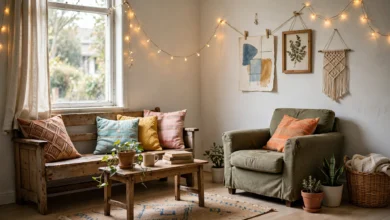
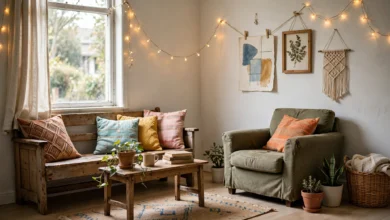
18 Decoration Ideas That Make a Home Feel Cozy
Eighteen practical decoration ideas that make a home feel cozy, covering lighting, texture, color, and small styling details.
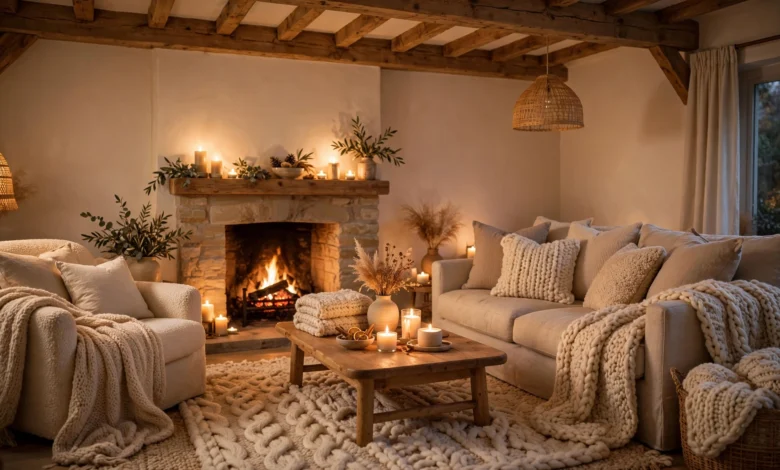
18 Genius Decoration Ideas That Make a Home Feel Cozy
Some homes just feel good to be in. You sit down and your shoulders drop a little, the lighting is soft instead of harsh, and everything looks like it was chosen rather than just placed. That feeling isn’t an accident, and it isn’t really about spending a lot of money either. It comes down to a specific set of decorating choices that, layered together, add up to something that genuinely feels warm and welcoming.
Good decoration ideas that make a home feel cozy tend to work on a few different senses at once, not just how a room looks, but how it feels underfoot, how it smells, and how the light falls in the evening. A room can be beautifully styled and still feel cold if it’s missing that layer of warmth, and conversely, a fairly simple room can feel deeply comfortable if the basics are handled well.
In this article, we’ll go through eighteen practical ways to bring genuine coziness into your home, covering lighting, texture, color, materials, and a handful of smaller details that make a bigger difference than people expect. These aren’t abstract style suggestions, they’re specific, actionable changes you can make in a weekend or gradually over time, whether you’re working on a single room or your entire home. By the end, you’ll have a clear toolkit for turning any space into one that actually feels good to spend time in.
1. Layer Your Lighting With Warm Bulbs
Harsh, cool-toned overhead lighting is one of the fastest ways to make a room feel clinical rather than comfortable. Switching to warmer bulbs, generally in the 2700K to 3000K range, instantly softens a space.
- Replace single overhead lighting with a mix of floor lamps, table lamps, and smaller accent lights
- Use dimmer switches where possible to adjust brightness through the evening
- Avoid cool white or daylight-toned bulbs in living rooms and bedrooms
- Position lamps at different heights around a room rather than relying on one central light source
2. Add Soft, Textured Throws and Blankets
Few things signal comfort as instantly as a well-placed throw blanket. This is one of the simplest decoration ideas that make a home feel cozy, and it costs very little to execute well.
- Choose chunky knit, faux fur, or brushed cotton throws for maximum tactile warmth
- Drape a throw casually over the arm of a sofa or the foot of a bed rather than folding it too neatly
- Layer two different textures together for visual and physical depth
- Keep a basket of extra blankets within easy reach for colder evenings
3. Choose a Warm, Earthy Color Palette
Color has a huge effect on how a room feels emotionally, and warm tones consistently read as more inviting than cool ones.
- Lean into terracotta, warm taupe, deep amber, and soft rust tones for walls and larger furniture
- Use warm whites and creams instead of stark, cool-toned white for a softer base
- Add deep green or burgundy accents for a richer, more grounded feel in living rooms
- Avoid overly cool greys and blues if coziness is the primary goal, saving them for more energizing spaces like home offices
4. Layer Rugs for Texture and Warmth
A bare floor, whether hardwood, tile, or laminate, rarely feels cozy on its own. Rugs add both visual warmth and genuine physical comfort underfoot.


- Choose a plush, high-pile rug for bedrooms and living rooms where comfort matters most
- Layer a smaller textured rug over a larger flat-weave base for added depth
- Extend rugs to nearly reach the edges of furniture groupings, rather than using undersized rugs that float in the middle of a room
- Add a small rug even in transitional spaces like hallways to soften hard flooring throughout the home
5. Bring in Candles and Soft Ambient Glow
Candlelight has a warmth that no bulb fully replicates, and the flicker itself adds a sense of calm to a room.
- Group candles of varying heights on a mantel, coffee table, or windowsill
- Choose warm, muted candle colors rather than bright or clashing shades
- Always follow basic fire safety guidance, keeping candles away from flammable fabrics and never leaving them unattended
- Consider flameless LED candles for bedrooms or homes with pets and young children
The National Fire Protection Association publishes clear, practical candle safety guidelines that are worth reviewing if candles are a regular part of your decorating routine.
6. Create a Focal Point With a Fireplace or Faux Fireplace
A fireplace, real or simulated, gives a room an obvious gathering point and an immediate sense of warmth, both literally and visually.
- If you have a working fireplace, keep it clean, styled, and genuinely used rather than treated as decoration only
- Consider an electric or faux fireplace insert if you don’t have an existing chimney or flue
- Style the mantel with a mix of candles, greenery, and personal objects rather than leaving it bare
- Arrange seating to face the fireplace as the natural focal point of the room
7. Hang Heavier Curtains
Thin, sheer curtains let in plenty of light but do little to add warmth or softness to a room. Heavier fabrics change the entire feel of a space.
- Choose velvet, heavy linen, or lined curtains for living rooms and bedrooms
- Hang curtains from ceiling height rather than just above the window frame, to make ceilings feel taller and rooms feel grander
- Layer sheer curtains underneath heavier drapes for flexibility between daytime light and evening coziness
- Choose warm, muted curtain colors rather than stark white for a softer overall effect
8. Incorporate Natural Wood Textures
Wood brings an organic warmth that synthetic materials simply can’t replicate, which is part of why it remains one of the most consistently used decoration ideas that make a home feel cozy across design styles.
- Add wooden furniture with visible grain rather than heavily lacquered or painted pieces
- Introduce wooden bowls, trays, or small decorative objects on coffee tables and shelves
- Choose a wood-toned coffee table or side table if your existing furniture leans heavily toward metal and glass
- Mix different wood tones intentionally rather than trying to match everything exactly
9. Add Greenery and Plants
Living plants bring life, color, and a sense of calm to a room, and they pair particularly well with warm, earthy color palettes.
- Choose larger statement plants like fiddle leaf figs or rubber plants for living rooms
- Add smaller potted herbs or trailing plants like pothos to kitchens and bathrooms
- Use natural woven or ceramic planters rather than plastic pots, which reinforces the overall warm, tactile feel
- Group plants at varying heights near your best light source for a more layered, natural look
10. Design a Reading Nook or Cozy Corner
A dedicated small space for reading or relaxing adds a genuine sense of retreat to a home, even in a fairly small footprint.
- Choose a comfortable armchair or window seat with a soft cushion
- Add a small side table for a lamp, a cup of tea, and a stack of books
- Layer in a throw blanket and an extra cushion or two for texture
- Position the nook near natural light during the day and add a warm reading lamp for evenings
11. Display Personal Photos and Meaningful Art
A home starts to feel cozy the moment it feels like it belongs to the people living in it. Personal touches matter more than perfectly curated, catalog-style styling.
- Create a small gallery of framed photos rather than relying entirely on purchased art
- Mix in handmade or sentimental objects alongside more polished decorative pieces
- Display travel souvenirs, family heirlooms, or children’s artwork as part of the overall decor rather than hiding them away
- Rotate personal items occasionally to keep the space feeling current and lived-in
12. Use Textured Cushions and Pillows
Cushions are one of the easiest, most affordable ways to add both color and texture to a room, and they’re simple to update seasonally.
- Mix textures like velvet, boucle, linen, and knit within the same seating area
- Vary cushion sizes rather than using all matching sets, for a more relaxed, layered look
- Stick to a cohesive color palette even while mixing patterns and textures
- Add an odd number of cushions per seat for a more natural, less staged arrangement
13. Introduce Warm Metal Accents
Metal finishes affect a room’s overall temperature more than people often realize. Cool metals like chrome and steel read as sleek and modern, while warmer metals soften a space.
- Choose brass, copper, or bronze fixtures and hardware over chrome or stainless steel
- Update cabinet handles, light fixtures, and curtain rods for an easy, budget-friendly refresh
- Mix warm metal accents with natural wood for a particularly inviting combination
- Use warm metal picture frames and small decorative objects to tie the look together
14. Choose Rounded, Soft-Edged Furniture
Sharp, angular furniture can read as more formal and less relaxed. Rounded shapes tend to feel softer and more inviting, both visually and physically.
- Choose a coffee table with curved edges instead of sharp corners
- Opt for a rounded armchair or an overstuffed sofa with soft, deep cushions
- Add a circular rug or ottoman to break up an otherwise angular room layout
- Balance a few rounded pieces throughout the room rather than overhauling every item of furniture
15. Layer Natural Fiber Materials
Wool, linen, cotton, and sheepskin all bring a tactile warmth that synthetic fabrics rarely match, and they tend to age more gracefully over time as well.
- Choose wool or sheepskin throws for extra warmth in colder months
- Use linen upholstery and curtains for a softer, more relaxed texture year-round
- Add jute or sisal rugs in entryways and high-traffic areas for durability with natural texture
- Mix multiple natural fibers together rather than relying on a single material throughout the room
16. Add a Signature Scent
Scent plays a bigger role in how “cozy” a home feels than most people give it credit for. A consistent, warm scent throughout the home reinforces the feeling created by lighting, texture, and color.
- Choose warm scent notes like vanilla, sandalwood, cedar, or amber for living spaces
- Use a diffuser or scented candles consistently rather than switching scents frequently
- Add fresh herbs or a simmering pot of cinnamon and citrus for a natural, no-candle alternative
- Keep bathroom and kitchen scents distinct from your main living space scent for a more intentional overall experience
17. Keep Surfaces Curated, Not Cluttered
Coziness and clutter are often confused, but they’re not the same thing. A genuinely cozy room still has breathing room, it’s warm and textured without feeling chaotic or overstuffed.
- Edit surfaces down to a few meaningful objects rather than filling every available space
- Group items in odd numbers for a more natural, curated look
- Use baskets and closed storage to keep everyday clutter out of sight
- Regularly reassess what’s on display, removing items that no longer add to the room’s overall feel
18. Bring in Soft Background Sound
While not a visual decorating choice, ambient sound genuinely affects how cozy a home feels, and it’s worth including as part of your overall approach to atmosphere.
- Play soft background music or ambient sound during evenings and weekends
- Consider a small tabletop fountain for a gentle, calming water sound
- Keep televisions and other harsh electronic sounds out of primary relaxation spaces where possible
- Let natural sounds, rain, wind, or a crackling fireplace, contribute to the room’s atmosphere when available
Design publications like Architectural Digest regularly cover how sensory details like scent, sound, and texture contribute to a home’s overall atmosphere, which is worth exploring if you want to go deeper on any single element from this list.
Bringing It All Together
Not every idea on this list needs to be applied at once, and trying to do everything simultaneously can actually work against the relaxed, unforced feeling that makes a home cozy in the first place. Start with lighting and textiles, since these tend to have the biggest immediate impact, then layer in color, texture, and personal touches gradually over time.
Conclusion
Creating a home that genuinely feels cozy comes down to layering a handful of thoughtful details rather than any single dramatic change. From warm lighting and textured throws to natural materials, personal touches, and even scent and sound, these eighteen decoration ideas that make a home feel cozy work together to create a space that feels good to be in, not just good to look at. Start with a few changes that suit your space and budget, and build from there. Over time, these small, layered choices add up to a home that feels genuinely warm, comfortable, and unmistakably yours.