Swimming Pool Design Ideas for Homes in Colorado
Practical swimming pool design ideas for Colorado homes, covering altitude, freeze protection, heating, materials, and well-water rules.
Swimming Pool Design Ideas for Homes in Colorado: 12 Mountain-Smart Designs
Swimming pool design ideas for homes in Colorado need to account for a set of challenges most pool guides never mention: high altitude, intense UV exposure, dramatic daily temperature swings, and a genuine winter freeze that can crack pipes and pumps if a pool isn’t properly protected. A design pulled from a warm-climate pool magazine simply doesn’t translate to a build sitting at 5,000 to 9,000 feet above sea level.
Colorado’s climate is genuinely unusual for pool construction. A sunny 80-degree afternoon on the Front Range can drop to the 40s by evening. Mountain towns like Vail and Aspen see genuine snow loads and months of hard freeze. And across much of the state, expansive clay soil and a strict water-rights system add engineering and legal considerations that don’t come up in most other states. None of this means a great pool is out of reach, it just means the design has to be built for Colorado conditions from day one.
This guide covers swimming pool design ideas for Colorado homes: materials that handle freeze-thaw cycles, heating strategies that stretch a short natural swim season, enclosure options for high-altitude properties, and the well-water and regulatory rules that affect whether you can even legally fill a pool on certain properties. Whether you’re building on the Front Range, in a mountain town, or anywhere in between, these ideas are built around what actually works at altitude. Let’s get into the details.
Why Colorado Pool Design Is Genuinely Different
Colorado’s combination of high altitude, low humidity, intense sun, and a real winter freeze changes almost every decision that goes into a Colorado pool. Altitude intensifies UV exposure well beyond what pools experience at sea level, which accelerates material breakdown and fading. Dry air increases evaporation rates. Daily temperature swings between warm afternoons and cold nights create constant expansion and contraction stress on pool structures and equipment. And without a heater, most Colorado pools are only swimmable for roughly ten weeks a year, a fraction of what warmer states enjoy.
1. Choose Freeze-Resistant Pool Materials
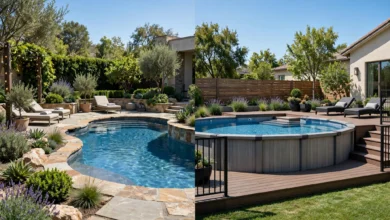
Material choice matters more in Colorado than almost anywhere else in the country. Fiberglass pools are a particularly strong fit for Colorado’s climate because their composite construction resists cracking through repeated freeze-thaw cycles better than traditional concrete or gunite. A quality fiberglass shell with vinyl ester resin reinforcement handles the expansion and contraction stress created by Colorado’s dramatic day-to-night temperature swings without the structural fatigue that concrete surfaces can develop over years of freezing winters.
Vinyl liner pools are another practical option for Colorado homeowners looking to stretch their budget while still getting a customizable design, though liners generally need replacement more often than a fiberglass shell.
2. Engineer the Shell for Expansive Clay Soil
Much of the Front Range sits on expansive clay soil, which swells when saturated and contracts when dry, putting lateral pressure on a pool structure that stable soils simply don’t create. A properly engineered Colorado pool shell accounts for this stress from the design stage rather than treating it as an afterthought. Skipping this step is one of the more expensive mistakes homeowners make, since clay-related structural issues are far cheaper to design around upfront than to repair after the fact.
3. Bury Plumbing Below the Frost Line
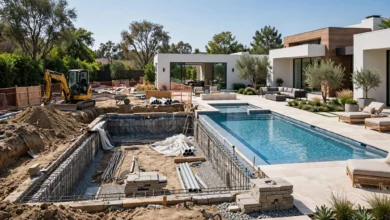
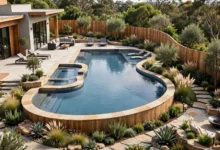
Colorado’s winter freeze reaches well below the surface in many parts of the state. Pool plumbing should be installed below the local frost line, generally around 36 inches in much of the Front Range, or designed for complete seasonal winterization to prevent freeze damage to unprotected lines. Skipping this detail is one of the most common causes of costly mid-winter repairs.
4. Install a Properly Sized Pool Heater From the Start
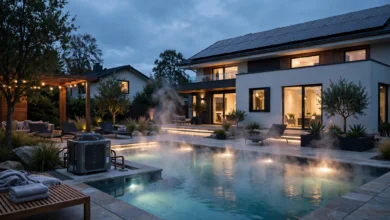
Without a heater, a typical Colorado pool is only swimmable for roughly ten weeks each year. A properly sized pool heater can extend that season to sixteen weeks or more, which dramatically changes the return on investment for the pool overall. Given how short Colorado’s natural swim season already is, most builders in the state consider a heater a near-essential feature rather than an optional upgrade.
5. Add a Spillover Spa or Hot Tub for Shoulder-Season Use
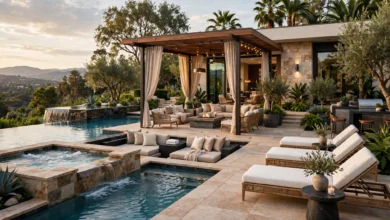
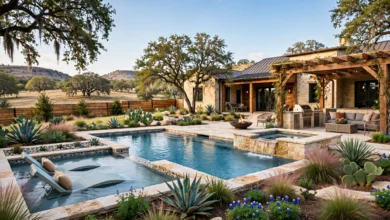
One of the most popular design choices among Colorado homeowners is pairing the main pool with a spillover spa or hot tub. This lets residents enjoy heated water even as outdoor temperatures drop in the evening or during the cooler shoulder seasons, extending usability well beyond what the pool alone offers. A hot tub also requires far less water and energy to heat than a full pool, making it a practical way to get warm-water enjoyment through more of the year.
6. Consider an Enclosed or Semi-Enclosed Pool Design
In higher-elevation areas where snowfall and cold are more significant factors, enclosed pool designs, similar in concept to what’s common in colder climates, are an increasingly popular trend. An enclosure creates a greenhouse effect that keeps the pool area warmer and more usable across more of the year, while also protecting the pool from heavy snow loads and debris. These designs are often adapted with mountain-style materials and rooflines so they blend into a Rocky Mountain aesthetic rather than looking like a purely functional structure.
7. Use Natural Stone and Rustic Materials for a Mountain Aesthetic
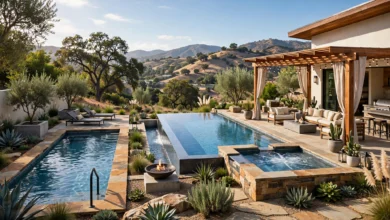
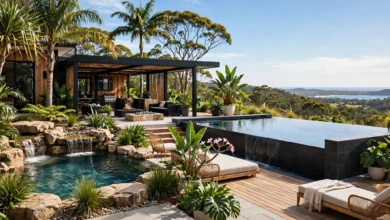
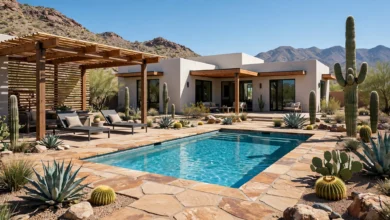
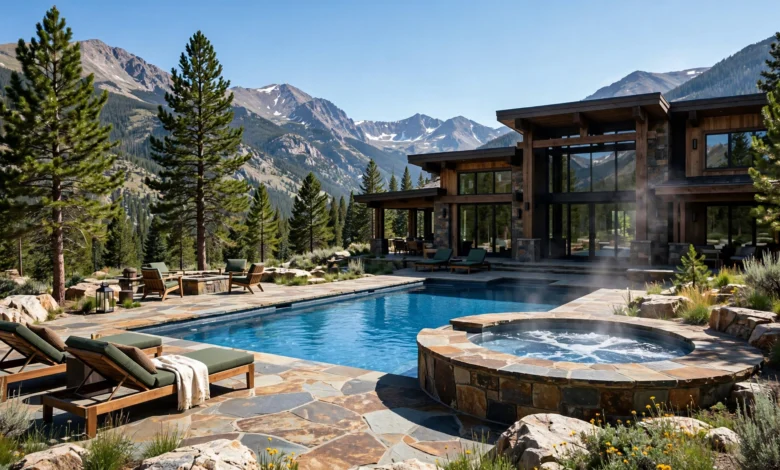
Colorado pool design tends to favor materials that blend with the surrounding landscape rather than looking imported from a warmer, more tropical climate. Natural stone features, fieldstone coping, flagstone decking, and rustic timber accents create a look that feels genuinely at home against a Rocky Mountain backdrop. This aesthetic pairs particularly well with a naturalistic pool shape and a muted, earth-toned material palette.
8. Plan for a Compact Plunge Pool on Mountain Properties
Not every Colorado property, especially in mountain towns with tighter lots or dramatic terrain, has room or budget for a full-size pool. A plunge pool offers a smaller footprint, lower heating cost, and faster installation, while still giving homeowners a genuine water feature for their mountain retreat. This is a particularly practical choice for second homes or properties where a pool is more about ambiance and occasional use than daily lap swimming.
9. Protect Equipment With a Complete Winterization Plan
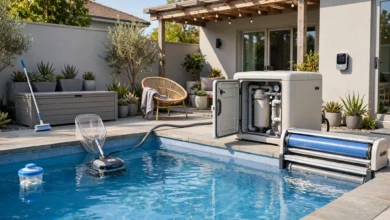
Every Colorado pool needs a thorough seasonal closing process before freezing temperatures set in. A typical pool winterization routine includes:
- Balancing water chemistry before shutdown
- Adding a non-toxic antifreeze agent to plumbing lines
- Lowering water levels below the skimmers
- Blowing out lines to remove residual water that could freeze and crack pipes
- Protecting pumps, heaters, and filtration equipment from the cold
Because water expands by roughly nine percent when it freezes, any water left trapped in equipment or plumbing over winter can crack pumps, split pipes, and cause expensive damage that isn’t always covered by warranty.
10. Understand Colorado’s Well-Water Restrictions Before You Build
This is one of the most important, and most overlooked, considerations for Colorado pool owners, particularly outside municipal water service areas. Many rural and mountain properties rely on wells governed by “household use only” or “domestic use only” permits, which explicitly exclude outdoor uses. According to the Colorado Division of Water Resources, well permits and the water rights that govern them are strictly regulated under Colorado water law, and using well water for a purpose not authorized by the permit, including filling a swimming pool, hot tub, or water feature, can result in significant fines and even termination of the well permit itself.
Before finalizing any Colorado pool project on a well-served property, confirm:
- Whether your well permit specifically authorizes outdoor water use
- Whether your property is subject to a subdivision-wide water augmentation plan
- Whether you’ll need to arrange for water delivery or a separate augmented water right to legally fill and maintain a pool
Skipping this step can mean discovering, after a pool is already built, that you have no legal way to fill it.
11. Confirm Compliance With State Pool Regulations
Colorado’s state-level swimming pool rules are set out in the Swimming Pools and Mineral Baths Regulation (5 CCR 1003-5), administered by the Colorado Department of Public Health and Environment. While this regulation primarily targets public and semi-public pools, many municipalities also reference related construction and safety standards for residential pools, and local building departments may layer additional permitting, fencing, or barrier requirements on top of state rules. Checking with your local building department early in the design process avoids costly redesigns later.
12. Manage Chemistry and Evaporation at Altitude
Lower air pressure at altitude genuinely affects pool water chemistry and equipment performance compared to sea-level pools, and Colorado’s dry air increases evaporation rates well beyond what humid-climate pools experience. On the upside, lower humidity generally means less algae pressure during the swim season, so many Colorado pool owners find their water stays clear with somewhat less chemical intervention than pools in humid states. Still, more frequent water testing and a consistent evaporation-monitoring routine help avoid surprises, particularly during Colorado’s intensely sunny, low-humidity summer stretches.
Quick Planning Checklist for a Colorado Pool
Before finalizing your design, run through the following:
- Material choice – Have you selected a shell material rated for freeze-thaw cycling, such as fiberglass?
- Soil engineering – Has your site been assessed for expansive clay, particularly on the Front Range?
- Plumbing depth – Is plumbing installed below the local frost line or fully winterizable?
- Heating – Have you budgeted for a properly sized heater to extend your swim season?
- Water rights – Have you confirmed your well permit (if applicable) authorizes outdoor pool use?
- Winterization plan – Do you have a professional or DIY plan for closing the pool each fall?
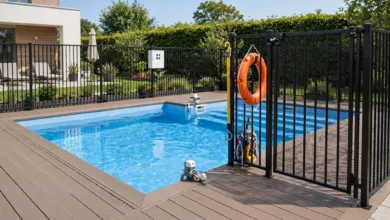
- Local permitting – Have you checked your municipality’s specific pool and barrier requirements?
Conclusion
Swimming pool design ideas for homes in Colorado need to start with the state’s genuinely unusual climate and regulatory landscape rather than a generic warm-climate template. Choosing freeze-resistant materials, engineering for expansive clay, burying plumbing below the frost line, and budgeting for proper heating all directly address the altitude, cold, and UV exposure that make Colorado pool construction different from almost anywhere else in the country. Add a clear understanding of your property’s well-water rights and local pool regulations before you break ground, and a Colorado pool can go from a short-season novelty to a genuinely well-used feature of your home for a much larger share of the year.
Keywords: