How to Decorate Your Home on a Small Budget
Decorate your home on a small budget with 15 practical tips covering paint, thrifting, DIY decor, lighting, and smart furniture swaps.
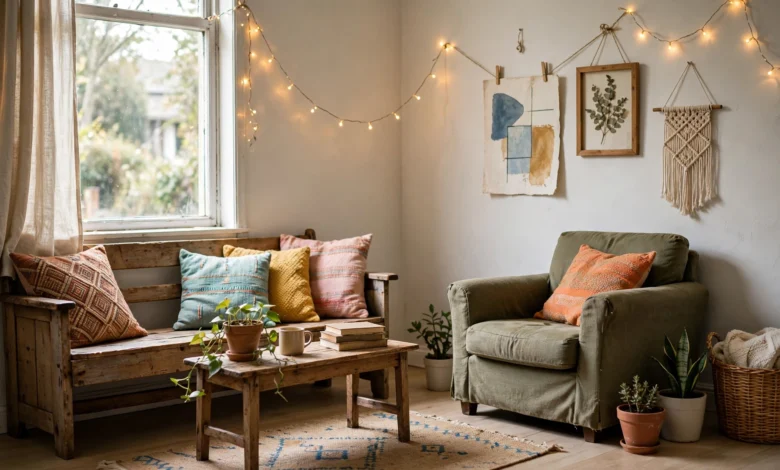
Decorate Your Home on a Small Budget: 15 Genius Ways to Transform Every Room
Most people assume a beautiful home requires a big checkbook. It doesn’t. If you want to decorate your home on a small budget, the secret isn’t finding hidden coupons or waiting for a windfall. It’s learning which changes actually move the needle and which ones are just expensive habits dressed up as “necessary.” A gallon of paint, a rearranged room, and a few well-placed accessories can do more for a space than a truckload of new furniture ever will.
I’ve spent years helping friends and family redo rooms on shoestring budgets, and the pattern is always the same. The homes that look the most put-together aren’t the ones where someone spent the most money. They’re the ones where someone paid attention to color, light, texture, and clutter. Those four things cost little to nothing to fix, yet they’re what your eye actually notices when you walk into a room.
This guide walks through fifteen practical, tested ways to decorate on a budget without sacrificing style. You’ll find ideas for every room, tips on where to shop, and advice on which splurges are worth it and which ones aren’t. Whether you’re furnishing your first apartment or refreshing a home you’ve lived in for years, these ideas will help you get a designer look without the designer price tag.
Why Budget Decorating Doesn’t Mean Sacrificing Style
There’s a persistent myth that affordable home decor looks cheap. It doesn’t have to. Interior design is mostly about proportion, color coordination, and a few focal points done well, not about how much you spent on each item. A well-placed mirror from a thrift store can do more for a room than an expensive accent chair shoved in the wrong corner.
The trick is shifting your mindset from “buying decor” to “designing a space.” Once you start thinking that way, you’ll notice that a lot of your budget should go toward planning and small, high-impact changes rather than filling every wall and shelf with new purchases.
1. Start With a Plan, Not a Shopping Cart
Before you buy anything, walk through your space and decide what’s actually bothering you. Is it the color? The clutter? The lack of light? Write it down. A clear plan keeps you from making impulse purchases that don’t solve the real problem.
- Take photos of each room so you can look at them objectively later
- List your top three frustrations per room
- Set a firm dollar limit for each space before you start shopping
This single step saves more money than any coupon code. According to the National Association of Realtors, homeowners consistently overspend when they shop without a plan, then end up redoing the same room twice.

2. Paint Is Still the Best Value in Home Decor
If you only do one thing on this list, paint a wall. A gallon of quality paint costs a fraction of what a new couch or rug costs, and color has an outsized effect on how a room feels. Painting is the single most cost-effective way to decorate your home on a small budget.
How to Choose Colors That Won’t Date Fast
- Stick to warm neutrals (soft whites, greiges, warm tans) for large surfaces
- Save bold colors for one accent wall or a small room like a powder bath
- Test samples on the actual wall for a full day before committing, since lighting changes everything
Painting trim and doors a crisp white can also make a tired room look freshly renovated for the cost of a single afternoon and one can of paint.
3. Shop Secondhand Before You Shop New
Thrift stores, estate sales, and online marketplaces are full of solid wood furniture that’s better made than most new pieces at big box stores. Thrifted furniture and secondhand decor are the backbone of almost every budget-friendly home you’ll see online.
Good places to look include:
- Local thrift and consignment shops
- Facebook Marketplace and Craigslist
- Estate sales, especially near the end of the sale when prices drop
- Habitat for Humanity ReStores, which often carry furniture, hardware, and building materials at a steep discount
A dated piece of furniture is rarely a lost cause. Swapping hardware, sanding down a scuffed top, or reupholstering a seat cushion can turn a $20 thrift store find into something that looks custom.
4. Rearrange Before You Buy
This one costs nothing. Before adding a single new item, try rearranging the furniture you already own. Moving a couch away from the wall, swapping which room holds which furniture, or simply decluttering a space can make it feel brand new.
A few rearranging tricks that consistently work:
- Float furniture away from walls to create conversation areas instead of lining everything up around the perimeter
- Move a large piece from one room to another; scale mismatches are often the real issue, not the furniture itself
- Group small items in odd numbers (three or five) instead of scattering them evenly
5. Embrace DIY Wall Art
Store-bought art can be one of the most expensive line items in a decorating budget, and it’s also one of the easiest to replace with something homemade. DIY wall decor doesn’t need to look amateur.
Budget-Friendly Art Ideas
- Frame fabric remnants, wrapping paper, or wallpaper samples
- Print your own photography at a local shop and frame it simply
- Hang a collection of items with a shared theme, like vintage postcards or pressed botanicals
- Use washi tape or paint to create simple geometric patterns directly on the wall
Frames matter more than what’s inside them. A cohesive set of matching frames instantly makes mismatched art look intentional.
6. Update Lighting for an Instant Upgrade
Lighting changes the entire mood of a room, and it’s often overlooked in favor of furniture and decor. Swapping a builder-grade fixture for something with more character is one of the fastest ways to decorate on a budget and make a space feel finished.
- Replace outdated overhead fixtures with an affordable pendant or flush mount
- Add table lamps and floor lamps to create layered lighting instead of relying on one harsh overhead bulb
- Switch to warm-toned LED bulbs (around 2700K) for a cozier feel throughout the home
The U.S. Department of Energy also notes that LED bulbs use significantly less energy than incandescent ones, so this upgrade pays for itself over time in lower utility bills.
7. Layer Textiles for Warmth and Texture
Textiles are one of the cheapest ways to change how a room feels. Pillows, throws, curtains, and rugs add color, texture, and softness without requiring any structural changes.
- Buy pillow inserts separately and sew your own covers from discount fabric
- Layer a small vintage rug over a larger neutral one for texture and visual interest
- Hang curtains higher and wider than the window frame to make ceilings feel taller and rooms feel larger
8. Use Mirrors to Add Light and Space
Mirrors are one of the most underrated tools in budget home decor. They bounce light around a room, make small spaces feel bigger, and often cost very little secondhand.
Place a mirror across from a window to reflect natural light deeper into the room, or lean a large mirror against a wall for an effortless, styled look that costs nothing extra in installation.
9. Bring in Greenery
Plants add life and color to a room for very little money, especially if you propagate cuttings from friends or family instead of buying full-grown plants.
- Low-maintenance options like pothos, snake plants, and spider plants tolerate low light and inconsistent watering
- Group plants of varying heights together for a fuller look without buying more plants
- Use thrifted pots and containers instead of buying new planters
10. Shop Your Own Home First
Before buying anything new, look at what you already own with fresh eyes. A vase from the kitchen might work beautifully on a bookshelf. A blanket from the guest room might be exactly what the living room couch needs.
This “shop your home” approach is free, and it often uncovers decor you forgot you had. Rotate items between rooms every few months to keep spaces feeling fresh without spending a dime.
11. Focus on One Statement Piece Per Room
Instead of buying lots of small, forgettable items, save your budget for one meaningful piece per room; an interesting chair, a bold rug, or a striking piece of art. One good piece does more for a room’s style than a dozen small trinkets.
12. Get Creative With Storage and Organization
Clutter is one of the biggest reasons a room feels unfinished, even if the decor itself is fine. Good storage solves this without a full remodel.
- Use baskets and bins to corral small items out of sight
- Install simple floating shelves for books and decor instead of buying a full bookcase
- Repurpose old furniture, like a dresser, as a media console or entryway table
13. Don’t Underestimate Hardware and Small Fixtures
Swapping cabinet knobs, drawer pulls, light switch covers, and doorknobs is inexpensive but makes a noticeable difference. These small details are often the first thing people notice up close, even if they can’t say exactly why a space feels updated.
14. Set Priorities Room by Room
Not every room needs the same level of investment. Focus your budget on the spaces you use most: the living room, kitchen, and bedroom typically deserve more attention than a guest room or hallway.
A simple way to prioritize:
- List every room in order of how much time you spend there
- Allocate a larger portion of your budget to the top two or three rooms
- Handle lower-priority rooms with free or nearly free changes like rearranging and decluttering
15. Know When to Splurge
Budget decorating doesn’t mean everything has to be the cheapest option available. Some purchases are worth spending more on because they last for years and get used daily, like a comfortable sofa, a good mattress, or quality bedding. Save money on trend-driven decor that will change in a year or two, and spend a bit more on the pieces you’ll use every single day.
Final Thoughts
Learning to decorate your home on a small budget comes down to prioritizing the changes that matter most: color, light, layout, and a few well-chosen pieces, over the temptation to fill every surface with new purchases. Paint, secondhand furniture, DIY art, and thoughtful lighting will transform a space far more than an expensive shopping spree ever could. Start with a plan, tackle one room at a time, and remember that a well-designed home isn’t about how much you spent. It’s about how much attention you paid.
Keywords: