Decoration Tips for Homes in New South Wales
Practical decoration tips for homes in New South Wales, covering climate, colour, materials, and layout choices that suit local living.
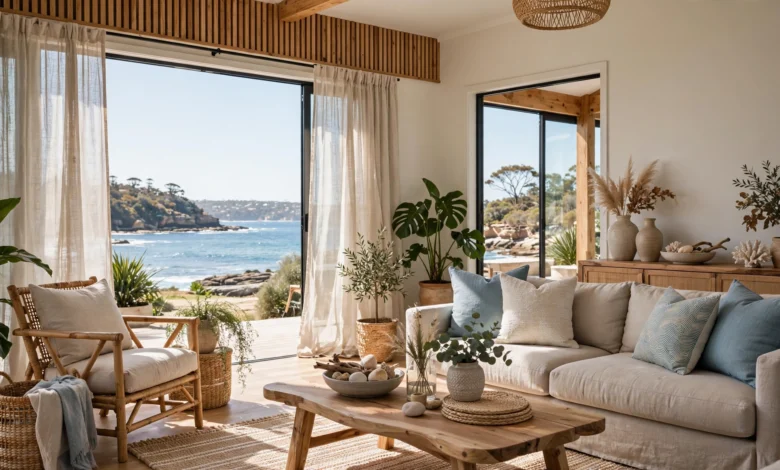
Decoration Tips for Homes in New South Wales: 9 Essential Ideas You’ll Love
If you’ve ever tried to decorate a home in New South Wales, you already know it’s not as simple as picking a colour scheme off Pinterest. This state stretches from humid coastal suburbs to the cooler, drier air of the Blue Mountains, and what works in one pocket can fall flat in another. A beach house in Byron needs different materials than a terrace in Paddington or a family home in the Southern Highlands.
That’s really the heart of good decoration tips for homes in New South Wales: understanding your specific microclimate, your home’s architectural bones, and how you actually live day to day. NSW has a huge mix of housing stock, from Federation cottages and Victorian terraces to modern coastal builds and rural homesteads, and each one asks for a slightly different approach.
In this article, we’ll walk through practical, research-backed ideas for decorating NSW homes well. We’ll cover climate-smart colour choices, furniture that handles humidity and sun exposure, how to work with heritage features instead of against them, and simple ways to bring the outdoors in without turning your living room into a greenhouse. Whether you’re renovating a Sydney apartment or refreshing a coastal cottage, these tips are grounded in what actually holds up in this part of the world.
Why Climate Should Shape Your Decorating Decisions
Before picking a single paint swatch, it helps to think about where in NSW you actually live. The state has genuinely different climate zones, and decorating around them saves you money and frustration down the track.
Coastal areas like Wollongong, Newcastle, and the Central Coast deal with salt air, higher humidity, and stronger UV exposure. Inland regions like Dubbo or Orange swing between hot summers and cold winters. Sydney itself sits somewhere in between, humid in summer, mild in winter, with plenty of rain to plan around.
Decoration tips for homes in New South Wales that ignore climate tend to age badly. Fabrics fade, timber warps, and metal fittings corrode faster than expected near the coast. So the first real decision isn’t a colour or a style, it’s understanding the conditions your materials will face.
Coastal Homes Need Corrosion-Resistant Choices
If your home is within a few kilometres of the ocean, salt air is going to work against anything that isn’t properly treated.
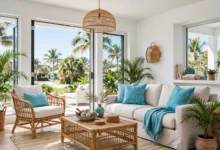
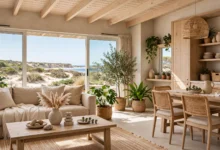
- Choose marine-grade hardware for door handles, hinges, and outdoor light fixtures
- Opt for powder-coated aluminium over untreated steel for balcony railings and furniture frames
- Use UV-stable fabrics on cushions and curtains that get direct sun
- Seal timber decking and outdoor furniture annually rather than every few years
Inland and Regional Homes Need Thermal Comfort
Homes further from the coast deal with bigger temperature swings, so decorating choices should support insulation and comfort just as much as looks.
- Layer rugs over timber or tile floors to soften cold mornings
- Use heavier curtains or thermal linings in bedrooms and living areas
- Choose warm-toned lighting for winter evenings, since inland nights get noticeably cooler
- Add a wood or gas heater as a genuine focal point, not an afterthought tucked in a corner
Choosing a Colour Palette That Suits NSW Light
Natural light in New South Wales is bright and can be quite harsh, especially in summer. This changes how colours actually read on your walls compared to how they look in a paint catalogue.
Whites and off-whites can appear starker under strong Sydney sun than they do in a showroom, so it’s worth testing samples on your actual walls at different times of day before committing. Warmer neutrals like soft greys, sandy beiges, and warm whites tend to hold up better across the seasons and feel less clinical.
Effective decoration tips for homes in New South Wales around colour usually include:
- Test paint samples in your own light, not just under shop lighting, since NSW sun shifts colour temperature noticeably between morning and afternoon
- Lean into coastal-inspired tones for beach-adjacent homes, think driftwood grey, soft sage, and muted ocean blue
- Use deeper, richer colours in heritage homes to complement original cornices, timber joinery, and fireplaces
- Keep ceilings a shade lighter than walls in older homes with lower ceiling heights, to help rooms feel taller
Working With Heritage Architecture Instead of Against It
A large share of housing across Sydney’s inner suburbs, Newcastle, and regional towns like Bathurst is heritage listed or built in a recognisable period style, Victorian, Federation, or Art Deco. Decorating these homes well means respecting the original character rather than covering it up.
Keep Original Features as the Starting Point
Ornate cornices, ceiling roses, timber fireplaces, and sash windows are genuinely hard to replicate and often add real value to a property. Rather than painting over them or hiding them behind modern fittings, treat them as the anchor point for your decorating scheme.
- Highlight ceiling roses and cornices with a slightly lighter or contrasting paint finish
- Restore original timber floors where possible rather than covering them with carpet
- Keep fireplaces as functional or decorative focal points, even in bedrooms
- Choose window treatments that don’t obscure original sash or casement details
Blend Old and New Without Clashing
You don’t need to furnish a Federation home entirely in period antiques. A mix of contemporary furniture against heritage architecture, sometimes called a transitional style, tends to work well and feels far less dated over time.
If you’re unsure how far you can modify a heritage-listed property, the NSW Heritage Office provides useful guidance on what changes are appropriate for listed homes, which is worth checking before any structural or exterior decorating work.
Bringing the Outdoors In
NSW living genuinely revolves around outdoor space, whether that’s a balcony in Sydney’s inner west, a backyard in Western Sydney, or a verandah in a country town. Good decorating treats indoor and outdoor areas as one continuous experience rather than two separate jobs.
Alfresco and Verandah Styling
- Choose weather-resistant outdoor furniture in natural materials like teak or rattan-style resin wicker
- Add outdoor rugs to define seating areas without making them feel enclosed
- Use string lighting or lanterns for evening entertaining, especially in warmer months
- Keep a consistent colour thread between indoor and outdoor cushions so the spaces feel connected
Indoor Plants Suited to NSW Conditions
Plants do a lot of heavy lifting in home decoration, but not every species suits every part of the state. Humid coastal air favours different plants than drier inland conditions.
- Coastal and Sydney homes: fiddle leaf figs, monstera, and peace lilies generally thrive in the humidity
- Inland and drier regions: succulents, snake plants, and native grasses cope better with lower humidity
- Low-light apartments: ZZ plants and pothos tolerate the reduced natural light common in inner-city units
Furniture and Fabric Choices That Hold Up
Furniture in NSW homes has to deal with more UV exposure and humidity swings than in cooler states, so material choice matters more than it might elsewhere.
Natural fibres like linen and cotton breathe better in humid conditions and feel more comfortable through a Sydney summer than heavier synthetic blends. Leather can work well in air-conditioned living rooms but tends to feel sticky in un-cooled spaces during peak humidity, so it’s worth thinking about how each room is actually used before committing to a fabric.
A few practical decoration tips for homes in New South Wales when it comes to furniture:
- Choose performance fabrics (stain-resistant, UV-stable) for sunrooms and north-facing living areas
- Avoid dark timber furniture in small, low-light apartments, as it can make rooms feel smaller
- Opt for slipcovered sofas in coastal homes, since covers are easier to wash after sandy visitors
- Elevate furniture legs slightly in humid ground-floor rooms to improve airflow underneath
Lighting for NSW’s Seasonal Shifts
Lighting needs to work harder in NSW than people often expect, because the difference between a bright January afternoon and a dark July evening is significant.
Layer Your Lighting
A single overhead light rarely does a room justice. Layering ambient, task, and accent lighting gives you flexibility across seasons and times of day.
- Ambient lighting: pendant lights or ceiling fixtures for general illumination
- Task lighting: reading lamps, under-cabinet kitchen lighting, desk lamps
- Accent lighting: wall sconces or picture lights to highlight artwork and architectural features
Match Bulb Temperature to the Room
Warmer bulbs (around 2700K to 3000K) suit living rooms and bedrooms, especially through cooler months in inland NSW. Cooler, brighter bulbs (4000K and above) work better in kitchens and home offices where task visibility matters more than atmosphere.
Sustainable and Bushfire-Aware Decorating Choices
Given how much of regional NSW has faced bushfire risk in recent years, it’s worth factoring fire safety into decorating decisions, not just structural building choices.
- Choose fire-resistant curtain fabrics for homes in bushfire-prone zones
- Avoid highly flammable synthetic rugs near fireplaces or heaters
- Use non-combustible materials like tile or stone for hearth surrounds
- Keep gutters and external timber decor maintained, since dry vegetation and debris increase risk
The Australian Institute of Architects publishes resources on bushfire-resilient design that go beyond structural elements into finishes and materials, which is a useful reference if you’re decorating a home in a higher-risk area.
Sustainability is also increasingly part of the conversation. Choosing FSC-certified timber furniture, natural fibre rugs, and low-VOC paints not only supports better indoor air quality but tends to age more gracefully in NSW’s variable climate than cheaper synthetic alternatives.
Room-by-Room Quick Reference
To pull everything together, here’s a simple breakdown of priorities by room:
- Living room: layered lighting, breathable fabrics, a rug that anchors the seating area
- Kitchen: cooler-toned task lighting, moisture-resistant splashback materials, warm timber accents to soften hard surfaces
- Bedroom: warmer lighting, block-out curtains for summer mornings, natural fibre bedding for humidity
- Bathroom: mould-resistant paint, good ventilation, plants that tolerate steam like ferns
- Outdoor/alfresco: weather-resistant furniture, consistent colour palette with indoor spaces, functional shade
Final Thoughts on Decorating Smart in NSW
Good decoration in this state isn’t about chasing a single trend and applying it everywhere. It’s about reading your specific location, whether that’s coastal, inland, heritage, or modern, and choosing materials, colours, and layouts that genuinely suit those conditions. The homes that feel the most put-together in NSW are usually the ones where decorating decisions were made with climate and architecture in mind from the start, not added on as an afterthought.
Conclusion
Decorating a home well in New South Wales comes down to matching your choices to the state’s varied conditions, from salt air on the coast to cooler nights inland, and to the architectural style you’re working with, whether that’s a heritage terrace or a modern build. By choosing climate-appropriate materials, testing colours in your own natural light, respecting original architectural features, layering lighting thoughtfully, and factoring in practical concerns like bushfire risk, you can create a home that looks good and holds up over time. These decoration tips for homes in New South Wales aren’t about following trends, they’re about decorating with genuine understanding of where and how you live.