Home Builder Advice for Homeowners in Florida
Home builder advice for Florida homeowners covers permits, hurricane codes, budgeting, and contractor vetting to help you build with confidence.
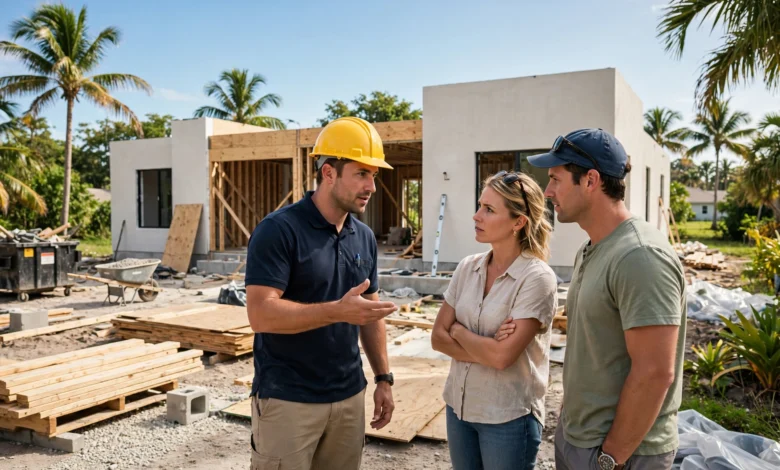
Home Builder Advice for Homeowners in Florida: 7 Essential Tips for a Successful Build
Home builder advice matters more in Florida than almost anywhere else in the country. Between hurricane-resistant construction codes, flood zone regulations, sinkhole risks in certain counties, and a housing market that moves fast, building a home here comes with a unique set of challenges that homeowners in other states simply don’t face. If you’re planning to build a custom home, work with a production builder, or even take on a major renovation in Florida, the decisions you make early on will shape how well your home holds up, how much you spend, and how smoothly the process goes.
This guide pulls together practical home builder advice for Florida homeowners at every stage: choosing the right builder, understanding local building codes, budgeting realistically, and protecting yourself legally throughout the project. Whether you’re building in Tampa, Orlando, Jacksonville, or a coastal community in South Florida, the fundamentals stay the same, but the details around wind zones, flood elevation, and insurance requirements can vary block by block.
We’ll walk through what to look for in a Florida home builder, how to vet contractors properly, what building codes you need to know, and how to avoid the most common and costly mistakes homeowners make. By the end, you’ll have a clear roadmap for approaching your build with confidence instead of guesswork.
Why Florida Home Building Requires Specialized Knowledge
Building a home in Florida isn’t the same as building one in Ohio or Colorado. The state’s climate and geography create construction demands that most other regions don’t deal with, and a good home builder will already be fluent in these requirements.
Hurricane and Wind Load Requirements
Florida operates under the Florida Building Code, which is one of the strictest in the nation when it comes to wind resistance. Homes in coastal counties often need to meet wind speeds of 150 mph or higher, which affects everything from roof trusses to window impact ratings. A reputable Florida home builder should be able to explain:
- How impact-rated windows and doors factor into your design and budget
- Roof strapping and tie-down systems required for your specific wind zone
- Whether your lot falls into a High-Velocity Hurricane Zone (mainly Miami-Dade and Broward counties), which triggers even stricter standards
Flood Zones and Elevation Certificates
Much of Florida sits at or near sea level, so flood zone designation plays a major role in construction. Before you break ground, your builder should pull a flood elevation certificate and confirm whether your home needs to be built on stilts, a raised slab, or with flood vents. This isn’t just a code requirement, it directly affects your flood insurance premiums for decades to come.
Termite and Moisture Protection
Florida’s humidity and termite pressure are no joke. Builders here are required to install termite pretreatment barriers, and smart home builder advice includes asking about moisture barriers, proper attic ventilation, and mold-resistant materials, especially in bathrooms and kitchens where humidity collects.

How to Choose the Right Home Builder in Florida
Picking a builder is the single most important decision you’ll make in this process. A great design means nothing if the person executing it cuts corners or disappears halfway through the project.
Check Licensing Through the State
Every general contractor and residential builder in Florida must be licensed through the Florida Department of Business and Professional Regulation (DBPR). Before signing anything, verify the builder’s license is active and check for any disciplinary history. You can confirm licensing status directly through the Florida DBPR license verification portal, which is free and takes just a few minutes.
Review Their Portfolio and Local Experience
Ask to see homes the builder has completed in your specific region, not just glossy photos from a website. A builder with strong experience in your county will already understand local permitting offices, soil conditions, and common inspection hang-ups. Look for:
- Recently completed homes you can visit or drive by
- References from homeowners who finished their build in the last two years
- Experience with your specific home style (custom, spec, or production)
Understand Their Subcontractor Relationships
Most builders don’t do the physical labor themselves. They manage a network of subcontractors for framing, electrical, plumbing, and roofing. Ask how long the builder has worked with their core subcontractor team. High turnover among subs is often a red flag for quality control issues or payment disputes.
Get Everything in a Detailed Written Contract
This is where a lot of homeowners get burned. Your contract should spell out:
- A detailed scope of work and materials list (not vague allowances)
- A realistic timeline with milestones
- Payment schedule tied to completed work, not arbitrary dates
- Change order procedures and how cost overruns are handled
- Warranty terms for structural and cosmetic issues
Budgeting Realistically for a Florida Home Build
One of the most common pieces of home builder advice experienced Florida homeowners will give you is to pad your budget more than you think you need to. Material costs, insurance requirements, and permitting fees here tend to run higher than the national average, particularly in coastal areas.
Factor in Insurance Early
Florida’s property insurance market has been under significant pressure in recent years, and rates vary dramatically based on your home’s construction type, roof age, and distance from the coast. Before finalizing your design, talk to an insurance agent about how specific choices, like a metal roof versus shingles, or impact windows versus standard glass, might affect your premium. Sometimes a slightly higher upfront cost pays for itself quickly in reduced annual premiums.
Build in a Contingency Fund
Most experienced builders recommend setting aside 10 to 20 percent of your total budget as a contingency for unexpected costs. In Florida, this often covers things like:
- Soil testing revealing the need for additional foundation work
- Permit delays that extend financing or rental costs
- Material price fluctuations, especially for lumber and concrete
Compare Multiple Bids Line by Line
Don’t just compare bottom-line numbers between builders. Two bids that look similar on paper can include wildly different materials, finishes, or scopes of work. Ask each builder for an itemized breakdown so you’re comparing apples to apples, not just a final price tag.
Navigating Permits and Inspections in Florida
Permitting can be one of the slowest and most frustrating parts of building in Florida, particularly in high-growth counties where building departments are overwhelmed with applications.
Know Your County’s Timeline
Permit processing times vary widely across the state. Some counties turn around residential permits in a few weeks, while others in high-demand areas can take two to three months. A good builder will set realistic expectations upfront rather than promising a timeline they can’t control.
Understand Which Inspections Apply to You
A typical Florida home build involves multiple inspections, including:
- Foundation and slab inspection
- Framing inspection
- Rough-in electrical, plumbing, and mechanical inspections
- Insulation inspection
- Final inspection and certificate of occupancy
Missing or failing an inspection can add weeks to your timeline, so it helps to understand the sequence and what inspectors are specifically looking for at each stage.
Work With Builders Who Have Local Permitting Relationships
Builders who work regularly within a county’s permitting office tend to move through the process faster simply because they know the reviewers, understand common rejection reasons, and submit more complete applications the first time.
Common Mistakes Florida Homeowners Make When Building
Even with good intentions, homeowners make avoidable mistakes that cost time and money. Learning from others’ experiences is some of the most valuable home builder advice you can apply before you start.
Underestimating Site Preparation Costs
Florida’s sandy soil, high water tables, and occasional need for fill dirt can add significant costs to site prep that homeowners don’t always anticipate. A soil test before finalizing your budget can prevent unpleasant surprises once excavation begins.
Skipping the Pre-Construction Walkthrough
Before pouring the foundation, walk the site with your builder and confirm the home’s orientation, setbacks, and how it relates to trees, drainage, and neighboring properties. Changes made after the foundation is poured are far more expensive than adjustments made on paper.
Choosing Finishes Before Confirming Structural Decisions
It’s tempting to get excited about countertops and cabinetry early on, but structural and mechanical decisions, like where plumbing lines run or how HVAC ductwork is routed, need to be locked in first. Making finish decisions too early sometimes forces costly rework later.
Not Reading the Fine Print on Warranties
Florida homebuilders are required to provide certain structural warranties, but the specifics vary. Review what’s covered, for how long, and what process you need to follow to file a claim. The National Association of Home Builders offers helpful general guidance on what a reasonable new home warranty should include, which is a useful benchmark when reviewing your own contract. You can read more on their resource page at nahb.org.
Working With Your Builder Throughout the Project
Good communication during construction prevents most of the disputes that end up in mediation or court.
Set a Regular Check-In Schedule
Weekly or biweekly updates, whether by phone, email, or an in-person walkthrough, keep everyone aligned on progress and upcoming decisions. Ask your builder what communication process they use and how quickly they typically respond to questions.
Document Everything
Keep a written record of all change orders, verbal agreements, and site visit notes. Photos of the build at each stage, especially before drywall goes up, can be invaluable if questions arise later about what’s behind the walls.
Know When to Bring in a Third Party
If a serious dispute arises over workmanship or contract terms, a licensed home inspector or a construction attorney familiar with Florida law can help evaluate the situation objectively before it escalates.
Final Thoughts on Building a Home in Florida
Building a home in Florida rewards homeowners who do their homework upfront. The state’s building codes exist for good reason, and working with a licensed, experienced builder who understands local wind zones, flood requirements, and permitting quirks will save you time, money, and stress. The best home builder advice anyone can give is simple: verify credentials, get everything in writing, budget for the unexpected, and stay engaged throughout the process rather than checking in only at the end. A well-built Florida home, one that accounts for hurricanes, humidity, and shifting soil from the start, is an investment that pays off for decades. Take the time to choose the right partner for the job, and the rest of the process becomes far more manageable.