Design Ideas That Are Trending Across Australia This Year
Design trends across Australia this year favour warmth, texture and personality. Here's what's actually shaping homes in 2026.
Introduction
Walk through any display home, renovation project, or design showroom in Australia right now and you’ll notice something different from a few years ago. The design trends across Australia this year have shifted away from cool, minimal, all-white interiors toward something warmer, more layered, and more personal. Homeowners aren’t chasing a single look anymore. They’re mixing textures, colours, and materials that actually reflect how they live.
This shift isn’t just a passing style preference. Renovation activity has stayed strong across the country as homeowners choose to upgrade existing spaces rather than move, and that’s pushed demand for design ideas that feel considered rather than trendy for its own sake. From earthy colour palettes to curved furniture and wellness-focused spaces, this year’s direction is less about following strict rules and more about building homes that feel grounded and lived-in.
This article breaks down the twelve trending design ideas shaping Australian homes this year, covering colour, materials, layout, and technology. Each section explains what the trend actually looks like in practice and how to bring it into your own home, whether you’re planning a full renovation or just refreshing a room or two.
Why Design Trends Are Shifting This Year
Australia’s interior design market has grown steadily, driven by renovation activity, urbanisation, and a stronger focus on sustainable materials and smart home integration. That growth has changed what “trending” actually means. Instead of fast-changing, image-driven trends, this year’s direction favours ideas with staying power, spaces that photograph well but also function well every single day.
A few forces are driving this shift:
- Renovation is now more common than relocation for many homeowners upgrading their space
- Sustainability has moved from a niche preference to a mainstream expectation
- Hybrid work has made flexible, multifunctional rooms a permanent requirement rather than a temporary fix
- Homeowners are prioritising comfort and personality over strict adherence to one design era
1. Warm, Earthy Colour Palettes
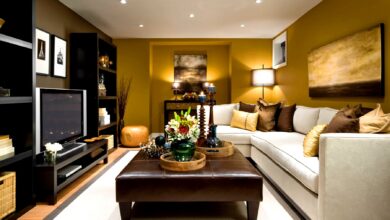
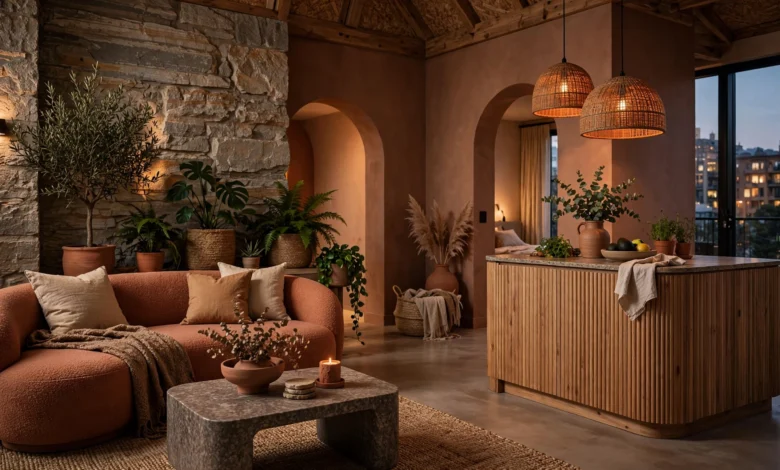
Cool greys dominated Australian interiors for years, but that’s changed. Earthy colour palettes built around terracotta, warm beige, soft brown, and muted green are now the default choice in new builds and renovations alike.
These tones work well because they:
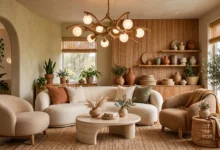
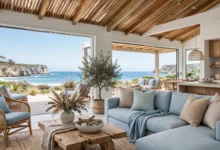
- Pair naturally with timber, stone, and other natural materials
- Create a calmer, more relaxed atmosphere than stark white or grey schemes
- Suit both modern and more traditional architecture
- Age well, without the dated feeling that trend-driven colours can develop
If you’re updating a room on a budget, repainting walls in a warm neutral is one of the highest-impact, lowest-cost changes you can make.
2. Curved and Rounded Furniture
Sharp, angular furniture is giving way to curved silhouettes. Rounded sofas, arched armchairs, oval dining tables, and softly shaped rugs are appearing across Australian living rooms and bedrooms this year.
The appeal is practical as well as visual. Curved pieces:
- Soften spaces that might otherwise feel boxy or overly structured
- Improve flow through a room, since rounded edges don’t create the same hard stops as square furniture
- Pair well with both contemporary and more traditional interiors
- Work particularly well in smaller rooms, where sharp corners can make a space feel tighter
3. Layered Textures Over Flat Minimalism
Flat, minimal interiors are being replaced by layered textures. Instead of a single fabric or finish throughout a room, homeowners are mixing linen, wool, velvet, and boucle to add depth and warmth.
Practical ways to layer texture include:
- Combining a linen sofa with a wool throw and a velvet accent cushion
- Mixing matte and glossy finishes on cabinetry and benchtops
- Adding a textured rug, particularly rounded or irregular shapes, to soften a room
- Using timber with visible grain rather than painted or laminate finishes
This trend rewards a slower, more deliberate approach to furnishing a room, buying fewer pieces but choosing ones with genuine texture and craftsmanship.
4. Personality-Driven, Storytelling Interiors
Perhaps the biggest shift this year is away from homes designed to look a certain way toward homes that reflect the people living in them. Storytelling interiors mix vintage finds, handmade decor, and meaningful objects instead of following one cohesive trend from top to bottom.
This looks like:
- A single statement vintage piece in an otherwise contemporary room
- Handmade ceramics or textiles sourced from local makers
- Family heirlooms or travel finds displayed as part of the everyday decor, not tucked away
- Bold accent colours or patterns used deliberately rather than avoided
Design that tells a story tends to age better than design chosen purely to match a trend, because it isn’t tied to a specific era or aesthetic moment.
5. Sustainable and Natural Materials
Sustainability has moved from a talking point to a genuine purchasing driver. Sustainable materials, including recycled metals, eco-certified timbers, and natural fibres, are increasingly the default rather than a premium upgrade.
Common applications include:
- Recycled or FSC-certified timber for flooring, joinery, and furniture
- Natural fibre rugs and textiles, such as jute, wool, and organic cotton
- Low-VOC paints, which improve indoor air quality as well as environmental impact
- Durable materials chosen to last, reducing the frequency of replacement
Bodies such as the Housing Industry Association continue to publish updated guidance on sustainable building materials and practices, which is a useful reference point before planning a renovation. You can review current resources through the Housing Industry Association.
6. Wellness-Focused Spaces
As homeowners spend more time at home, dedicated wellness spaces have become a genuine design priority rather than a luxury add-on. This year that’s shown up as meditation corners, home saunas, and multifunctional outdoor areas designed specifically to support relaxation and recovery.
Practical wellness features include:
- A quiet reading or meditation nook separated from main living areas
- Home saunas or cold plunge setups, increasingly common in renovated bathrooms and outdoor areas
- Outdoor spaces designed for both entertaining and quiet downtime
- Improved natural light and ventilation, which has a measurable effect on comfort and mood
7. Flexible, Multifunctional Rooms
Hybrid work has permanently changed how Australians use their homes, and multifunctional spaces are one of the clearest design responses. Rooms are increasingly designed to support more than one function without feeling like a compromise.
This includes:
- Dining areas that double as a workspace during the day
- Guest bedrooms fitted out as functional home offices between visits
- Living rooms with a defined reading or work corner, separated using furniture rather than walls
- Garages or sheds converted into studios, gyms, or additional living space
Good multifunctional design relies on furniture and storage that can adapt, rather than trying to cram two full room functions into one static layout.
8. Smart Home Integration
Smart home technology has moved well beyond novelty. Automated lighting, climate control, and IoT-enabled devices are increasingly standard in new builds and popular additions in renovations across the country.
Common integrations include:
- Automated lighting that adjusts based on time of day or occupancy
- Smart climate control systems that reduce energy use while maintaining comfort
- Video doorbells and integrated security systems
- Voice-controlled assistants managing multiple devices from a single hub
The appeal isn’t just convenience. Smart systems, particularly around lighting and climate, also support the sustainability goals driving many other trends on this list.
9. Bold, Saturated Colour Moments
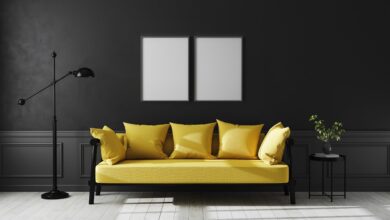
While earthy neutrals dominate whole-room palettes, a counter-trend has emerged in smaller, contained spaces. Saturated colour on walls, ceilings, trims, and upholstery is creating immersive, mood-driven rooms, particularly in bathrooms, powder rooms, and bedrooms.
This works well because:
- A small, enclosed room absorbs a bold colour choice without overwhelming the rest of the home
- Saturated tones create a strong sense of arrival or contrast against neutral adjoining spaces
- It’s a lower-risk way to experiment with trend-forward colour without committing an entire home to one palette
- It photographs well, which matters for homeowners planning to sell or list a property for short-term rental
10. Metallic Finish Shifts in Bathrooms and Kitchens
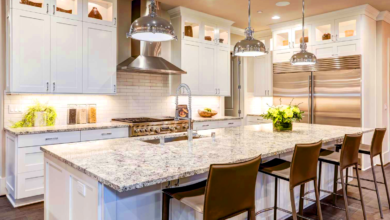
Brass had a long run as the dominant metallic finish in Australian homes, but brushed nickel and chrome are making a comeback this year, particularly in bathroom and kitchen hardware.
Design considerations here include:
- Pairing cool metallics with warm neutral palettes for contrast and balance
- Mixing metallic tones deliberately, rather than matching every fixture, for a more layered look
- Using brushed rather than polished finishes to soften the overall effect
- Combining metallic hardware with organic materials like stone or timber benchtops to avoid a cold, clinical feel
11. Blue as an Emerging Neutral
After years of green dominating Australian colour trends, blue is emerging as the next major neutral, ranging from deep mineral tones to soft, powdery hues. Colour forecasting from major Australian paint brands has flagged blue as a key direction for the year ahead.
Blue works particularly well because:
- It pairs seamlessly with warm neutrals, timber, and brushed metal finishes
- Deeper mineral blues suit feature walls, joinery, and cabinetry
- Softer powder blues work well in bedrooms and bathrooms without feeling cold
- It offers a genuine alternative to the green and terracotta tones that have dominated recent years
For a detailed look at where colour is heading, Dulux publishes an annual colour forecast that’s widely referenced across the Australian design industry. You can view current forecasting through the Dulux Colour Forecast.
12. Craftsmanship and Considered Buying
A quieter but significant trend this year is a shift away from fast furniture toward genuine craftsmanship. The “buy less, buy better” mindset that gained traction over the past few years is continuing to shape how Australians furnish their homes.
This shows up as:
- Investing in fewer, higher-quality furniture pieces rather than frequently replacing cheaper items
- Choosing locally made or artisan pieces over mass-produced alternatives
- Prioritising materials and construction that will genuinely last, rather than short-term trend appeal
- Repairing and reupholstering existing furniture instead of replacing it outright
How to Apply These Trends Without a Full Renovation
Not every trend requires a major project. If you want to update your home this year without a full renovation, focus on changes that deliver the most visible impact for the least disruption:
- Repaint one or two rooms in a warm, earthy neutral
- Swap out hardware and tapware to shift from brass to brushed nickel or chrome
- Add texture through a new rug, cushions, or a linen throw
- Introduce one curved furniture piece, such as an armchair or coffee table
- Set up a dedicated small wellness or work corner using existing furniture
Conclusion
The design trends across Australia this year point toward homes that feel warmer, more textured, and more personal than the minimal, trend-driven interiors of recent years. From earthy colour palettes and curved furniture to wellness-focused spaces and genuine craftsmanship, the common thread is a move away from following strict rules toward creating homes that actually support how people want to live. Whether you’re planning a full renovation or simply refreshing a room, these twelve ideas offer a practical, well-grounded starting point for updating your home this year without chasing every passing trend.