Home Builder Tips for New Construction in London
Practical home builder tips for new construction in London, covering planning permission, budgeting, party walls, and hiring right.
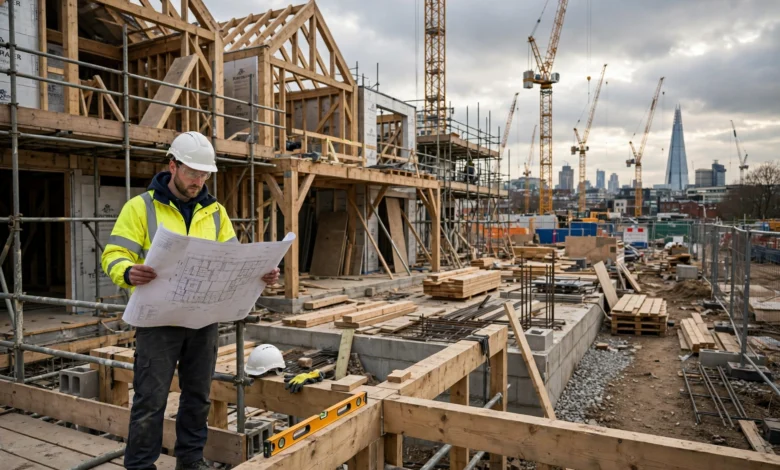
Home Builder Tips for New Construction in London
Finding the right home builder for a new construction project in London comes with a few challenges you won’t find in most other parts of the country. Between planning permission, party wall agreements with neighbours in tightly packed terraces, and building regulations that vary slightly by borough, London construction projects tend to have more moving parts than a straightforward new build elsewhere. Add in the cost of labour and materials in the capital, and it’s easy to see why so many homeowners feel overwhelmed before the first brick is even laid.
The good news is that none of these challenges are unmanageable once you know what to expect. A home builder who’s experienced with London projects will already understand local planning quirks, conservation area restrictions, and how to work around shared walls and tight access. The trick is knowing how to find that builder, what questions to ask, and which parts of the process you shouldn’t skip, even when a builder tells you it’s not strictly necessary.
This guide walks through everything you need to know before starting new construction in London, from checking a builder’s credentials to understanding planning permission, party wall agreements, and realistic budgeting. Whether you’re building a new home, adding a rear or side extension, or converting a loft into livable space, these tips will help you avoid the most common and costly mistakes homeowners make in London’s construction market.
Why New Construction Projects in London Need Careful Planning
London is one of the most heavily regulated construction markets in the UK, and for good reason. High population density, historic buildings, conservation areas, and shared party walls all mean that construction work in London carries risks and requirements that simply don’t apply in less built-up areas.
A home builder working in London needs to account for:
- Restricted site access on narrow streets
- Strict noise and working-hour limits set by local councils
- A higher likelihood of needing party wall agreements with neighbours
- Conservation area rules that may limit external changes
- Higher costs for skips, scaffolding, and material delivery due to limited space
Skipping any of this planning stage is one of the most common reasons London construction projects run over budget or get delayed by council enforcement notices.
Finding a Qualified Home Builder in London
Not every builder who works nationally has real experience navigating London’s specific rules. When shortlisting a home builder for new construction, look specifically for experience within London boroughs, not just general residential building experience.


Checking Trade Body Membership and Accreditation
Reputable builders in the UK are typically registered with recognised trade bodies. Two worth checking are:
- The Federation of Master Builders (FMB), which vets members against technical and customer service standards
- Local Authority Building Control (LABC) registration, which confirms a builder has a working relationship with council building control teams
Membership alone doesn’t guarantee quality, but it does mean the builder has been through a vetting process and has a body to answer to if something goes wrong.
TrustMark and NHBC Registration
For new construction specifically, ask whether the builder is registered with TrustMark, the government-endorsed quality scheme for tradespeople in the UK. TrustMark registration means the builder has been independently assessed against technical competence and trading standards.
If you’re building a new home rather than an extension, also confirm whether the builder can provide NHBC (National House Building Council) warranty cover, which protects you against structural defects for up to 10 years after completion. This is one of the most important protections available for new construction, and a home builder with NHBC accreditation is generally a safer choice for ground-up projects.
Understanding Planning Permission and Building Regulations
Two separate approval processes apply to almost all new construction in London, and confusing them is a common and costly mistake.
When You Need Planning Permission
Planning permission relates to whether a project is allowed to happen at all, based on how it affects the surrounding area, neighbours, and local planning policy. You’ll almost always need planning permission for:
- New-build houses or ground-up construction
- Extensions beyond permitted development limits
- Any work affecting a listed building or conservation area
- Changes to a property’s use class
Permitted development rights do allow some smaller projects to proceed without a full planning application, but these rights are more restricted in London than in many other parts of the country, particularly in conservation areas. Check directly with your local borough council or through the Planning Portal before assuming a project qualifies.
Building Regulations Approval
Building regulations are a separate, technical set of standards covering structural safety, fire safety, insulation, drainage, and accessibility. Even projects that don’t require planning permission almost always require building regulations approval. Your home builder should be able to confirm:
- Whether they’ll handle the building regulations application directly
- Which building control body they use, either the local council or a private approved inspector
- What inspections will be required at each stage of construction
A reliable builder treats this as a standard part of the process, not an optional extra to skip for speed.
Party Wall Agreements for London Properties
Given how many London properties share walls with neighbouring buildings, party wall agreements are far more common here than in most other regions. Under the Party Wall etc. Act 1996, you’re legally required to notify neighbours and, in many cases, formalise an agreement before starting work that affects a shared wall, boundary, or nearby excavation.
Key points to understand:
- Notice must typically be served at least two months before work begins on a party wall, or one month before excavation work near a neighbouring building.
- If a neighbour dissents, a party wall surveyor may need to be appointed to produce a formal award before work can proceed.
- Skipping this process doesn’t just risk disputes, it can lead to legal claims for damages even if the work itself was done properly.
An experienced home builder working in London should flag early in the process whether your project is likely to require party wall agreements, and should be able to recommend a qualified surveyor if needed.
Budgeting for New Construction in London
Construction costs in London consistently run higher than the national average, driven by labour rates, material transport costs, and limited site access. Before committing to a budget, it helps to understand where these costs typically come from.
Typical Cost Factors
- Labour rates, which tend to run 15–30% higher in London compared to the rest of the UK
- Site access and logistics, including scaffolding hire, skip permits, and parking suspensions for delivery vehicles
- Party wall surveyor fees, if an agreement is required
- Planning application fees and any required reports, such as structural or heritage assessments
- Contingency budget, which should generally be 10–15% of total project cost to cover unforeseen issues
A home builder with genuine London experience should be able to walk you through these cost factors clearly and explain which apply to your specific project, rather than giving a single lump-sum figure with no breakdown.
Choosing Between a Local Builder and a Larger Construction Firm
Homeowners in London generally have two broad options when it comes to who carries out the work.
Local, independent builders often have strong relationships with specific borough planning departments and building control teams, along with lower overheads that can translate into more competitive pricing on smaller projects like extensions or renovations.
Larger construction firms tend to be better suited to ground-up new builds or larger multi-unit developments, offering more structured project management and, in many cases, in-house architectural and planning support.
Neither option is automatically better. The right choice depends on the scale and complexity of your project, and it’s worth getting quotes from both types of builder before deciding.
Questions to Ask Before Hiring
Before signing a contract with any home builder, ask:
- Have you completed projects in this specific borough before?
- Who will manage the planning permission and building regulations applications?
- Will you handle party wall notices, or should I appoint a surveyor directly?
- What is your policy on managing noise and working hours to stay compliant with council restrictions?
- Can you provide NHBC or equivalent structural warranty cover for new builds?
- What happens if the council requests changes mid-project?
A builder with real London experience will have clear, specific answers to all of these, rather than generic responses.
Common Challenges of Building in London
Even with a good builder, a few challenges tend to come up repeatedly on London construction projects:
- Limited parking and site access, requiring permits for skips, scaffolding, and delivery vehicles
- Noise restrictions, with many councils enforcing strict working hours, particularly on weekends
- Neighbour disputes, especially around party walls, shared drainage, and boundary lines
- Longer approval timelines, since busy planning departments in high-demand boroughs can take longer to process applications
- Higher material costs, particularly for anything requiring specialist delivery into restricted-access streets
Being aware of these challenges upfront helps set realistic expectations for both timeline and budget.
Tips for a Smooth Build
A few practical habits make a real difference once construction begins:
- Introduce yourself to neighbours early, even before formal party wall notices go out. It smooths the process considerably.
- Confirm working hours in writing with your builder to avoid council complaints.
- Keep copies of all planning and building regulations approvals on-site in case of council inspection.
- Track progress payments against inspected milestones, not just calendar dates.
- Document any variations in writing, including cost and time impact, before work proceeds.
Frequently Asked Questions
Do I always need planning permission for new construction in London? Not always, but permitted development rights are more limited in London, especially in conservation areas. Always confirm with your local council before assuming a project is exempt.
How long does a party wall agreement take to finalise? If neighbours consent without dispute, it can be resolved within the statutory notice period of one to two months. If a surveyor needs to be appointed due to dissent, it can take considerably longer.
Is NHBC warranty cover required by law? It’s not a legal requirement, but many mortgage lenders require a structural warranty like NHBC for new-build properties, making it effectively essential for most ground-up construction.
How much more expensive is building in London compared to elsewhere in the UK? Labour and material costs in London typically run 15–30% higher than the national average, largely due to demand, site access constraints, and higher operating costs for contractors.
Conclusion
Successful new construction in London depends on choosing a home builder who genuinely understands the city’s specific challenges, from planning permission and building regulations to party wall agreements and restricted site access. Homeowners who verify trade body membership, confirm NHBC or TrustMark accreditation, budget realistically for London’s higher costs, and ask direct questions before signing a contract are far more likely to see their project completed on time, within budget, and without unnecessary disputes with neighbours or the local council. Taking the time to get these details right before construction begins remains the single most effective way to protect your investment and your home.