How to Build a Custom Home Without Overspending
How to build a custom home without overspending: practical budgeting, planning, and contract strategies before you break ground.
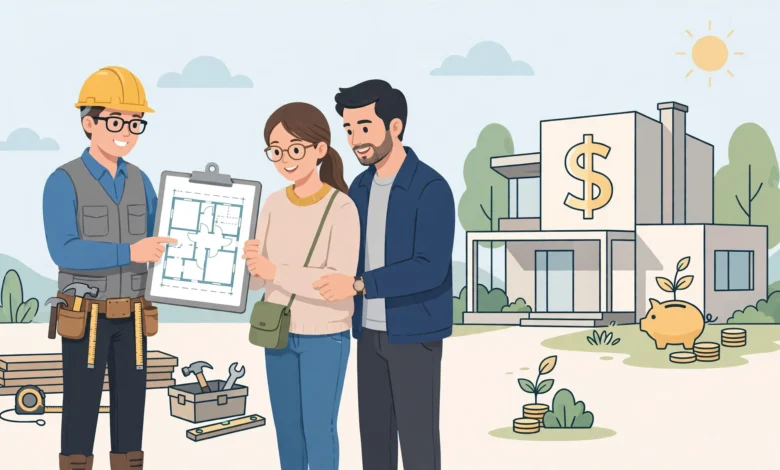
How to Build a Custom Home Without Overspending: 9 Proven Ways to Save Money
Introduction
How to build a custom home without overspending is one of the most searched questions among first-time builders, and for good reason. Custom home budgets blow out more often than they stay on track, usually not because of one big mistake but a series of small decisions that quietly add up. A change here, an upgrade there, and suddenly the number on your final invoice looks nothing like the estimate you started with.
The good news is that overspending on a custom home build is largely preventable. Most cost overruns trace back to a handful of predictable causes: vague contracts, unclear allowances, scope creep during construction, and poor communication between homeowner and builder. None of these are complicated to fix once you know where to look.
This article breaks down the practical steps that keep a custom build on budget, from the planning stage through to final handover. Whether you’re building your first home or your third, the same principles apply: know your numbers before you start, lock down decisions early, and build in room for the unexpected. Let’s walk through exactly how to do that.
1. Set a Realistic Budget Before You Talk to a Builder
Before you even start comparing builders, you need a number in mind, and it needs to be realistic rather than aspirational.
Why This Step Gets Skipped
Many homeowners fall in love with a design or a block of land first, then try to make the budget fit afterward. This backwards approach almost always leads to overspending because the emotional attachment to the plan makes it harder to cut costs later.
How to Build a Realistic Budget
- Get a rough cost-per-square-metre or cost-per-square-foot estimate for your region and home style before finalizing any design
- Separate your budget into land, construction, and “everything else” (permits, connections, landscaping)
- Add a contingency of at least 10–15% on top of the construction estimate
- Decide your absolute ceiling and treat it as non-negotiable, not a starting point for negotiation
A custom home budget built this way gives you a real number to hold your builder and yourself accountable to.
2. Choose the Right Builder for Your Budget, Not Just Your Design
Not every builder is a good fit for every budget, even if they can technically build what you want.

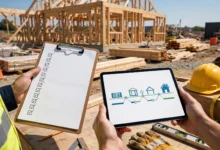
Custom Builders vs. Semi-Custom Builders
A fully custom builder designs from scratch and offers maximum flexibility, but typically charges a higher margin to cover the extra design and project management work. A semi-custom builder works from a base of existing plans with room for modifications, which usually costs less while still allowing meaningful personalization.
Questions to Ask Before Signing
- Can you show me at least two recent projects with a similar budget to mine?
- How do you handle allowances, and what happens if I go over them?
- What’s included in your base price versus what counts as an upgrade?
- How do you communicate cost changes during the build?
Builders who answer these clearly and in writing are far less likely to surprise you later.
3. Understand Allowances Before You Sign the Contract
Allowances are one of the biggest hidden sources of overspending in custom home construction, and they deserve their own section because so many homeowners misunderstand how they work.
What an Allowance Actually Is
An allowance is a placeholder dollar amount in your contract for items not yet selected, like flooring, tile, lighting, or countertops. If your actual selection costs more than the allowance, you pay the difference. If it costs less, you may or may not get a credit depending on the contract.
How to Avoid Allowance Overruns
- Ask for allowance amounts based on realistic current pricing, not outdated averages
- Visit showrooms and get real quotes before signing, so you know if the allowance is enough
- Make your selections early in the process rather than waiting until installation is imminent
- Get written confirmation of any allowance overage before the work proceeds
Homeowners who treat allowances as a rough guess rather than a real budget line are the ones most likely to see costs creep upward.
4. Lock In Your Design Before Construction Starts
Design changes made after construction begins are one of the fastest ways to blow a custom home budget. What looks like a small tweak on paper often triggers a chain of costs that aren’t obvious upfront.
Why Mid-Build Changes Cost So Much
Moving a wall after framing means re-running electrical, replumbing, and possibly redoing drywall that’s already installed. A change that would have cost a few hundred dollars on paper can cost thousands once labor, materials, and schedule delays are factored in.
How to Avoid This
- Finalize floor plans, elevations, and major structural details before signing the building contract
- Use 3D renderings or a walkthrough with your builder to catch layout issues early
- Treat the design phase as the time for changes, not the construction phase
- If a change is unavoidable, get a written variation with cost and time impact before approving it
5. Get Multiple Quotes and Compare Them Line by Line
A single quote tells you very little. Multiple quotes, compared carefully, tell you a lot.
What to Look for When Comparing Quotes
- Match inclusions across quotes; a lower price often means fewer inclusions, not a better deal
- Check whether site costs (excavation, soil testing, retaining walls) are included or estimated separately
- Compare the quality specification of fixtures, not just the headline number
- Ask each builder to break down provisional sums so you can see where estimates are soft
According to the National Association of Home Builders, land, labor, and materials make up the bulk of new construction costs, and small percentage differences in any of these areas can add up to tens of thousands of dollars across a full build. You can review their cost breakdown data on the National Association of Home Builders website for a general sense of where your money typically goes.
6. Choose a Fixed-Price Contract Where Possible
The type of contract you sign has a direct impact on your financial risk throughout the build.
Fixed-Price Contracts
A fixed-price contract locks in the total cost for agreed inclusions, giving you budget certainty. The trade-off is usually a slightly higher base price, since the builder is pricing in risk.
Cost-Plus Contracts
A cost-plus contract charges actual costs plus a management fee. This can work well for highly custom builds with a trusted builder, but it shifts more financial risk onto the homeowner if costs rise during construction.
For most homeowners focused on staying within a set budget, a fixed-price building contract with clearly itemized inclusions offers the most predictable outcome.
7. Build In a Contingency Fund and Don’t Touch It Early
Almost every custom build runs into at least one unexpected cost, whether it’s a site condition discovered during excavation or a material price increase mid-project.
How Much Contingency Is Enough
- 10% is a reasonable minimum for straightforward builds on flat, stable land
- 15–20% is safer for sloped blocks, older neighborhoods with unknown underground conditions, or renovation-heavy projects
- Keep this fund separate mentally from your working construction budget so you’re not tempted to spend it on upgrades
The Consumer Financial Protection Bureau notes that construction loans and budgets should always account for unexpected costs, and homeowners who don’t build in a buffer are far more likely to face financing gaps mid-build. You can find general guidance on construction financing through the Consumer Financial Protection Bureau.
8. Track Every Variation and Change Order in Writing
Verbal agreements are where budgets quietly fall apart. If a change isn’t in writing, it’s not really agreed to, no matter how clear the conversation felt at the time.
A Simple System for Tracking Changes
- Every requested change gets a written variation request before work starts
- The builder provides a cost and time estimate for the change in writing
- You approve or decline in writing before the work proceeds
- Keep a running log of all approved variations and their cumulative cost impact
This habit alone prevents one of the most common ways custom home budgets creep 10–20% over the original estimate without anyone noticing until it’s too late.
9. Time Your Selections and Payments Carefully
When you make decisions and when you pay for them both affect your final cost, and getting the timing wrong can be expensive.
Selections
Making fixture, finish, and fitting selections early gives you time to compare prices, wait for sales, and negotiate with suppliers. Last-minute selections under time pressure almost always cost more.
Payments
- Only pay for construction stages that have actually been completed and inspected
- Avoid contracts that front-load payments before major work has been done
- Keep records of every payment matched to the corresponding build stage
Practical Habits That Keep a Custom Build on Budget
Beyond the individual steps above, a few ongoing habits make the biggest difference over the life of a project:
- Visit the site regularly and compare progress against your payment schedule
- Communicate directly with your site supervisor rather than relying on secondhand updates
- Keep a dedicated folder, physical or digital, for every contract, variation, and invoice
- Revisit your budget monthly rather than only at major milestones
- Be willing to say no to upgrades that don’t fit your original budget, even late in the process
Conclusion
Learning how to build a custom home without overspending comes down to a handful of disciplined habits: setting a realistic budget before you fall in love with a design, understanding exactly what your allowances cover, locking in decisions before construction starts, and tracking every variation in writing rather than relying on memory or verbal agreements. None of these steps are complicated, but they require consistency from the first conversation with your builder through to final handover. Homeowners who treat budgeting as an ongoing process rather than a one-time exercise are the ones who end up with a finished custom home that matches both their vision and their bank balance.