How to Communicate Effectively With Your General Contractor
Learn how to communicate effectively with your general contractor using 8 proven strategies that prevent costly renovation misunderstandings.
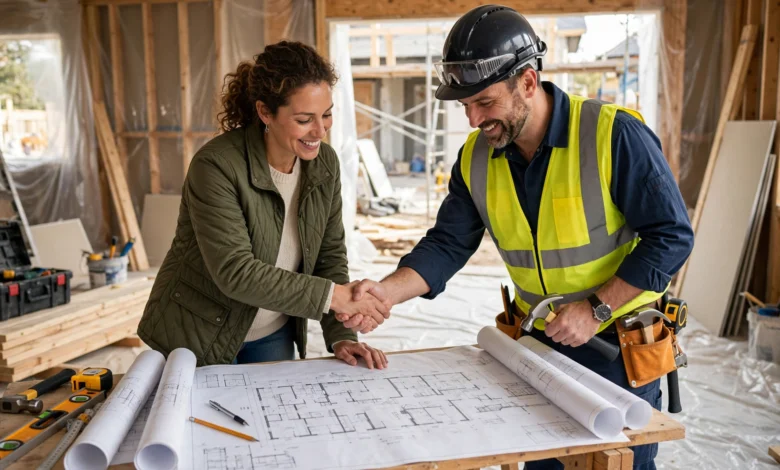
How to Communicate Effectively With Your General Contractor: 8 Proven Strategies for a Smooth Renovation
Learning how to communicate effectively with your general contractor is often the single biggest factor separating a renovation that finishes smoothly from one that drags on with delays, disputes, and surprise costs. Most homeowners assume that hiring a skilled, experienced contractor is enough to guarantee a good outcome. In reality, even the best contractor can only work with the information and decisions they’re given, and a breakdown in communication is one of the most common reasons projects go sideways.
The tricky part is that good communication doesn’t happen automatically. Homeowners and contractors often speak different “languages” when it comes to renovation. What a homeowner considers a small tweak, a contractor might see as a scope change requiring new materials and extra labor. What a contractor mentions casually on-site as a heads-up might get missed entirely by a homeowner who wasn’t expecting it. These small gaps add up quickly, and by the time they surface as a dispute over cost or timeline, they’re much harder to resolve than if they’d been addressed clearly from the start.
This guide breaks down exactly how to set up clear communication with your contractor from day one, what to put in writing, how to handle disagreements, and the specific habits that keep a renovation project running smoothly from the first conversation through the final walkthrough.
Why Communication Makes or Breaks a Renovation
Construction delays and cost overruns are rarely just about weather or material shortages. Industry research consistently points to miscommunication and unclear expectations as leading causes of renovation disputes and schedule slippage.
Strong communication with your general contractor leads to:
- Fewer misunderstandings about scope, materials, and cost
- Faster resolution when problems come up mid-project
- Better trust between you and the crew doing the work
- A clearer paper trail if a disagreement needs to be resolved later
The National Association of the Remodeling Industry has noted that clear, consistent communication between homeowners and contractors is one of the strongest predictors of a renovation staying on time and on budget, more so than the size or complexity of the project itself.
Strategy 1: Establish a Clear Communication Channel Early
Before work begins, agree on exactly how you and your contractor will communicate day to day. Without this, updates end up scattered across texts, phone calls, and conversations on-site that nobody writes down.


Pick a Primary Method
Common options include:
- Text messages for quick daily updates and scheduling
- Email for anything formal, like change orders, invoices, or timeline changes
- A project management app, if your contractor uses one for scheduling and file sharing
- Weekly calls or site visits for bigger decisions or progress reviews
Whichever method you choose, stick with it consistently so nothing important gets lost between channels.
Agree on Response Time Expectations
Ask your contractor how quickly they typically respond to questions, and be upfront about your own availability too. If a decision on tile or fixtures needs to happen within 48 hours to avoid delaying the schedule, that expectation should be clear from the start, not discovered after a delay has already happened.
Strategy 2: Put Important Decisions in Writing
Verbal conversations are useful for quick, in-the-moment discussions, but anything with a cost or scope impact should always be confirmed in writing afterward.
- Follow up any verbal agreement with a text or email summarizing what was discussed
- Keep every change order signed and documented, not just verbally agreed upon
- Save all invoices, receipts, and payment confirmations in one place
- Take dated photos throughout the project, especially of work that will later be covered by walls or flooring
This habit protects both you and your contractor if there’s ever a disagreement about what was actually agreed to.
Strategy 3: Be Specific, Not Vague, When Describing What You Want
One of the most common communication breakdowns happens when homeowners describe what they want in general terms and assume the contractor will fill in the details the same way they imagined it.
How to Be More Specific
Instead of saying, “I want a modern kitchen,” provide:
- Reference photos of specific finishes, layouts, or colors you like
- Exact product links or model numbers when possible
- A clear list of must-haves versus nice-to-haves
- Any hard constraints, like keeping existing plumbing locations or budget limits on certain items
The more specific you are upfront, the less likely you are to end up with a result that “technically” matches what you asked for but doesn’t match what you actually pictured.
Strategy 4: Ask Questions Before Problems Become Expensive
Good communication isn’t just about giving information, it’s also about asking the right questions at the right time.
Questions Worth Asking Regularly
- What decisions do you need from me this week to stay on schedule?
- Are there any issues you’ve noticed that might affect cost or timeline?
- Is there anything happening behind the walls or under the floors I should know about?
- Are we still on track with the original budget, or has anything shifted?
Asking these questions proactively, rather than waiting for a problem to surface on its own, gives you a chance to address small issues before they become expensive ones.
Strategy 5: Understand and Use the Change Order Process
Change orders are a normal part of most renovations, but they’re also one of the most common sources of miscommunication and disputes if handled loosely.
A proper change order should always include:
- A clear description of the requested change
- The cost impact, covering both materials and labor
- Any effect on the project timeline
- Signatures from both you and the contractor before the work proceeds
Never agree to a change verbally and assume “we’ll figure out the cost later.” That kind of informal agreement is exactly how billing disputes happen once the project wraps up.
Strategy 6: Communicate Around Site Logistics, Not Just Design Decisions
Good communication with your contractor isn’t only about materials and finishes. It also includes the practical, day-to-day logistics of having work happen at your home.
- Agree on daily work hours and access arrangements
- Let your contractor know about upcoming events, guests, or days the site won’t be accessible
- Discuss where materials, tools, and debris can be stored during the project
- Keep pets and children away from active work areas, and communicate any household routines that might affect the crew’s schedule
These details might seem minor, but overlooking them is a common source of daily friction that adds up over the course of a longer project.
Strategy 7: Address Disagreements Directly and Early
Even with great communication habits, disagreements happen. What matters is addressing them quickly and professionally rather than letting frustration build silently.
Steps for Handling a Disagreement
- Bring up the issue as soon as you notice it, rather than waiting
- Refer back to the written contract and any signed change orders
- Ask for a clear explanation before assuming the worst
- Document the resolution in writing once you reach an agreement
- If the issue doesn’t resolve informally, consider a neutral third party like a mediator before pursuing legal action
The Better Business Bureau notes that contractor disputes are typically resolved faster when both parties have kept clear, consistent documentation throughout the project, which is exactly why the communication habits above matter so much before a disagreement ever comes up.
Strategy 8: Do Regular Check-Ins and Walkthroughs
Waiting until the end of a project to communicate about progress is a common mistake. Regular check-ins keep small issues from turning into bigger, costlier problems.
- Walk the site weekly, or after each major phase of work
- Compare completed work against the agreed scope and plans
- Bring up quality concerns immediately, rather than after the fact
- Take photos during each walkthrough to keep a visual record of progress
The Consumer Financial Protection Bureau recommends treating ongoing renovation communication the same way you’d track any major financial commitment, with regular check-ins rather than a single conversation at the start and another at the very end.
Common Communication Mistakes Homeowners Make
Even homeowners with good intentions fall into a few recurring patterns that get in the way of clear communication.
- Assuming silence means everything is fine, instead of proactively checking in
- Avoiding difficult conversations, letting small frustrations build into bigger conflicts
- Changing their mind frequently without communicating the reasoning or cost impact
- Not confirming verbal agreements in writing, leaving room for disagreement later
- Micromanaging every small decision, which can slow down the crew and strain the relationship
Avoiding these patterns doesn’t mean being passive. It means being clear, timely, and consistent, which most contractors genuinely appreciate, since it makes their job easier too.
How Contractors Prefer to Be Communicated With
Understanding communication from the contractor’s side can help homeowners adjust their approach.
- Contractors generally prefer batched questions over constant one-off messages throughout the day
- Clear, written instructions are easier to act on than vague verbal requests
- Advance notice on decisions helps them order materials and schedule labor efficiently
- Respectful, direct communication about concerns is far more productive than complaints relayed through a third party or left until the final walkthrough
Adjusting your communication style to match how contractors typically operate on active job sites can meaningfully speed up decision-making and reduce friction.
Frequently Asked Questions
How often should I check in with my general contractor? Most projects benefit from quick daily updates during active work phases, along with a more detailed weekly review covering budget, timeline, and upcoming decisions.
What’s the best way to bring up a concern without damaging the relationship? Address it directly, calmly, and as soon as you notice it. Focus on the specific issue rather than making broader assumptions, and refer back to the written contract if it relates to scope or cost.
Should I communicate directly with subcontractors on-site? Generally, communication should go through your general contractor, who coordinates the subcontractors. Communicating directly with individual trades can create confusion about who authorized what.
What should always be confirmed in writing, even if discussed verbally first? Any decision with a cost or timeline impact, including change orders, material selections, and scheduling adjustments, should always be documented afterward, even if it was first discussed in person.
How do I know if a communication issue is becoming a bigger problem? If the same misunderstanding happens more than once, or if you notice decisions being made without your input, it’s worth having a direct conversation and reviewing your communication process together before it affects the budget or timeline.
Conclusion
Knowing how to communicate effectively with your general contractor comes down to a few consistent habits: agreeing on a clear communication channel early, putting every important decision and change order in writing, being specific rather than vague about what you want, and addressing disagreements directly instead of letting them build. Regular check-ins and walkthroughs keep small issues from turning into expensive problems, and understanding how contractors prefer to communicate on active job sites can make the entire process smoother for both sides. None of these strategies require special expertise, just consistency and clarity, and together they make the difference between a renovation that runs smoothly and one that ends in frustration and unexpected costs.