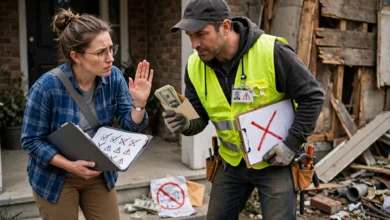
How to Hire a General Contractor You Can Trust
A practical guide to how to hire a general contractor you can trust, covering licensing checks, red flags, contracts, and vetting steps.

How to Hire a General Contractor You Can Trust: 10 Reliable Steps
How to hire a general contractor you can trust is one of the most important questions a homeowner can ask before starting any renovation, addition, or major repair. A good contractor keeps a project on schedule, on budget, and up to code. A bad one can leave you with unfinished work, unexpected costs, or worse, structural problems hidden behind a fresh coat of paint. Given how much money and how much of your home is on the line, it’s worth slowing down and doing this part properly.
This guide walks through the practical steps of finding, vetting, and hiring a contractor with confidence. We’ll cover how to check licensing and insurance, what questions actually reveal something useful during an interview, how to read a contract before signing it, and which red flags should make you walk away without a second thought. There’s also a section on managing the relationship once work begins, since trust doesn’t end at the signature, it needs to hold up through the entire project.
None of this requires special expertise or industry connections. Most of it comes down to asking the right questions, checking a few public records, and paying attention to how a contractor communicates before you’ve committed to anything. By the end of this article, you’ll have a clear, repeatable process you can use for this project and any future one, whether it’s a small bathroom remodel or a full home addition.
Why Trust Matters More Than Price When Hiring a Contractor
It’s tempting to treat contractor selection as a straightforward price comparison, but the cheapest quote often comes with hidden costs, corners cut on materials, unlicensed subcontractors, or a rushed timeline that leads to mistakes. Hiring a general contractor you can trust means weighing more than the bottom line.
A trustworthy contractor typically offers:
- Verifiable licensing and insurance that protects you if something goes wrong
- Clear, itemized quotes rather than vague lump-sum estimates
- References you can actually contact and past projects you can see
- Transparent communication about timelines, delays, and cost changes
- A written contract that protects both parties, not just the contractor
Prioritizing these factors over the lowest number on a quote tends to save money and stress in the long run, since problems from a bad contractor almost always cost more to fix later than they would have cost to avoid upfront.
Start With Licensing and Insurance Verification
Before anything else, confirm that a contractor is properly licensed and insured for the type of work you need done. This is non-negotiable, regardless of how good a contractor’s portfolio or reviews look.


Checking Contractor Licensing
Licensing requirements vary by state and sometimes by county, so it’s worth checking your local requirements directly.
- Ask for the contractor’s license number and verify it through your state’s licensing board website
- Confirm the license covers the specific type of work you need, general contracting, electrical, plumbing, and so on often require separate licenses
- Check whether the license is current and in good standing, not expired or under review
Confirming Insurance Coverage
- Request proof of general liability insurance, which covers property damage during the project
- Ask for proof of workers’ compensation insurance, which protects you if a worker is injured on your property
- Contact the insurance provider directly to confirm the policy is active, rather than relying solely on a document the contractor provides
The Consumer Financial Protection Bureau recommends verifying both licensing and insurance before signing any contract or paying a deposit, since unlicensed or uninsured work can leave homeowners financially exposed if something goes wrong during the project.
Where to Find Reliable Contractor Candidates
Finding a shortlist of contractors worth vetting is the first real step in the process.
Trusted Referral Sources
- Ask friends, family, or neighbours who’ve had similar work done recently
- Check with local building supply stores, staff often know which contractors consistently order quality materials and pay their accounts on time
- Look into local trade associations, which typically vet members for licensing and business practices before allowing membership
Using Online Reviews Carefully
Online reviews are useful but shouldn’t be the only factor. Look for patterns across multiple platforms rather than trusting a handful of five-star reviews on a single site.
- Read a mix of positive and negative reviews to understand how the contractor handles problems, not just successes
- Check how the contractor responds to negative feedback, professional, solution-focused responses are a good sign
- Be cautious of profiles with very few reviews or reviews that all appeared within a short window, which can indicate manipulated ratings
Questions to Ask Before Hiring a General Contractor
A face-to-face or phone conversation reveals a lot more than a written quote alone. Trustworthy contractor candidates should answer these questions clearly and without hesitation.
Experience and Project Fit
- How many years have you been working as a general contractor?
- Have you completed projects similar in size and scope to mine?
- Do you handle the work yourself, or will subcontractors be involved, and if so, who vets them?
Logistics and Communication
- What’s your estimated timeline for a project like this?
- How do you handle unexpected issues or delays during a project?
- How often will you update me on progress, and through what method?
Financial Terms
- What’s your payment schedule, and how much is required upfront?
- Do you provide a written, itemized estimate rather than a verbal or lump-sum quote?
- What happens if the final cost exceeds the original estimate?
A contractor who answers these questions vaguely, avoids specifics, or pressures you to decide quickly is worth treating with caution.
Red Flags That Signal You Shouldn’t Hire a Contractor
Certain warning signs come up repeatedly in complaints filed against unreliable contractors. Watch for these during your vetting process.
- Demanding a large upfront deposit, most reputable contractors ask for a modest deposit, with the bulk of payment tied to project milestones
- No permanent business address or verifiable business license, a sign the contractor may not be operating legitimately
- Pressure to sign quickly or discounts offered only if you commit on the spot
- Reluctance to provide references or insurance documentation
- Unusually low quotes compared to other bids, which often indicate corners will be cut somewhere
- Requests for payment in cash only, which makes it harder to dispute charges or prove payment later
If more than one of these red flags shows up during your vetting process, it’s generally safer to move on to another candidate.
Reading and Understanding the Contract
Once you’ve chosen a contractor, the contract is where trust gets formalized into something enforceable. Never rely on a verbal agreement, even with someone you’ve been referred to personally.
What a Solid Contract Should Include
- A detailed scope of work, specifying materials, brands, and quantities where relevant
- A clear project timeline, including start date and estimated completion date
- A payment schedule tied to project milestones rather than arbitrary dates
- Change order procedures, outlining how cost or scope changes will be documented and approved
- Warranty information, covering both materials and labour
- Lien waiver provisions, protecting you from subcontractor payment disputes after the project is complete
Getting a Second Opinion
For larger projects, having a lawyer review the contract before signing is a reasonable precaution, particularly for additions, structural work, or any project involving a significant budget. The American Bar Association offers general guidance on reviewing home improvement contracts, which can help homeowners understand what protections to look for before committing.
Managing the Relationship During the Project
Trust doesn’t end once the contract is signed. How a contractor handles communication and problems during the project matters just as much as the vetting process beforehand.
Setting Communication Expectations
- Agree on a regular check-in schedule, weekly updates work well for most residential projects
- Keep a written record of any changes or issues discussed on-site, even informal conversations
- Address concerns early rather than waiting until they compound into bigger problems
Handling Delays and Changes
Delays happen on almost every project, weather, material availability, and unexpected issues once walls or floors are opened up are common causes. A trustworthy contractor communicates delays proactively rather than leaving you to notice on your own, and explains any resulting cost or timeline changes clearly before proceeding.
Payment Practices That Protect Homeowners
How you handle payment throughout a project is one of the most practical ways to protect yourself if something goes wrong.
- Avoid paying the full amount upfront, regardless of how trustworthy the contractor seems
- Tie payments to completed milestones, verified in person before releasing funds
- Keep all payments documented, checks or traceable electronic payments are safer than cash
- Withhold final payment until you’ve done a full walkthrough and confirmed all work meets the agreed scope
- Request lien waivers from subcontractors and suppliers as payments are made, protecting you from liens filed after the project is complete
Common Mistakes Homeowners Make When Hiring a Contractor
Even careful homeowners can fall into a few recurring traps during the hiring process.
- Choosing based on price alone, without weighing licensing, insurance, or reputation
- Skipping the written contract in favour of a handshake agreement, even with someone recommended by a friend
- Failing to check references thoroughly, or only speaking to references the contractor hand-picked
- Paying too much upfront, leaving little leverage if problems arise later in the project
- Not documenting changes or delays in writing, making disputes harder to resolve if they come up later
Conclusion
Learning how to hire a general contractor you can trust comes down to a consistent process: verify licensing and insurance, ask direct questions, watch for red flags, put everything in writing, and manage payments in a way that protects you throughout the project. None of these steps guarantee a perfect renovation, but skipping them significantly raises the risk of cost overruns, poor workmanship, or unfinished work. Whether you’re planning a small kitchen update or a full home addition, taking the time to vet a contractor properly before signing anything is one of the most valuable things you can do to protect both your home and your budget.