Roofing & Gutter Tips for Homeowners in Queensland
Roofing and gutter tips built for Queensland's climate. Practical guidance on cyclone prep, gutter maintenance, and roof care.
Roofing and Gutter Tips: 11 Essential Ways Queensland Homeowners Protect Their Homes
Roofing and gutter tips matter more in Queensland than almost anywhere else in Australia, simply because of what the climate throws at a house every year. Between cyclone season in the north, intense summer storms across the southeast, relentless UV exposure, and humidity that never really lets up, a Queensland roof works harder than roofs in most other states. Add in the state’s mix of coastal, suburban, and bushfire-prone regions, and it’s clear why “set it and forget it” doesn’t really apply here.
A lot of homeowners only think about their roof and gutters when something’s already gone wrong, a leak after a storm, a gutter that’s overflowed onto the fascia, or a ceiling stain that wasn’t there last month. The better approach is maintaining the system before the weather forces the issue, particularly heading into the wetter months when Queensland sees the bulk of its severe weather.
This guide covers 11 practical roofing and gutter tips specifically relevant to Queensland conditions, from choosing the right materials for cyclone-prone regions to keeping gutters clear before the storm season peaks. Whether you own a Queenslander with a steep pitched roof, a modern build on the Gold Coast, or a home further inland dealing with dust and heat rather than cyclones, there’s something here worth checking off your maintenance list before the next big weather event rolls through.
Why Queensland’s Climate Is Tough on Roofs and Gutters
Before getting into specific maintenance steps, it helps to understand what Queensland homes are actually up against.
- Cyclone and severe storm activity, particularly in North and Far North Queensland, which puts extreme wind pressure on roofing materials and fixings
- Heavy, fast rainfall during the wet season, which overwhelms gutters that aren’t cleared or properly sized
- Intense UV exposure, among the highest in the world, which degrades roofing materials, sealants, and paint faster than in cooler climates
- Humidity and salt air along the coast, which accelerates rust on metal components
- Bushfire risk in parts of the state, which affects material choices and gutter design in high-risk zones
Each of the tips below addresses one or more of these pressures directly, rather than offering generic advice that doesn’t account for local conditions.
1. Choose Cyclone-Rated Roofing Materials
If you’re in a cyclone-prone region, this is the single most important decision you’ll make about your roof. Queensland’s building code requires wind-rated materials and fixings in designated cyclone zones, and it’s worth understanding what that actually means for your home.
- Metal roofing with cyclone-rated fixings is the standard choice in North Queensland due to its strength-to-weight ratio
- Tie-down systems, straps and clips that secure the roof frame to the walls, are just as important as the roofing material itself
- Older homes built before current wind-load standards may need retrofitting, particularly in coastal and cyclone-classified areas
- Check your property’s wind classification with your local council or a licensed builder before any re-roofing project
The Australian Building Codes Board sets the wind classification standards that determine what’s required for roofing in cyclone-affected regions, and it’s a useful reference before committing to materials.


2. Clean Gutters Before the Wet Season
Queensland’s wet season, roughly November through April depending on the region, brings the heaviest rainfall of the year, and clogged gutters simply can’t cope with that volume.
- Clear leaves, seed pods, and debris at least twice a year, with one clean scheduled right before the wet season starts
- Flush gutters with a hose afterward to confirm water is draining freely to the downspouts
- Homes near eucalyptus, poinciana, or jacaranda trees typically need more frequent cleaning due to heavy leaf and pod drop
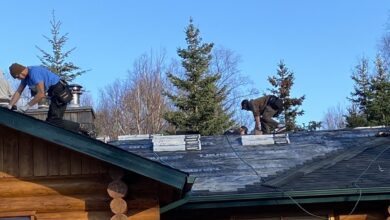
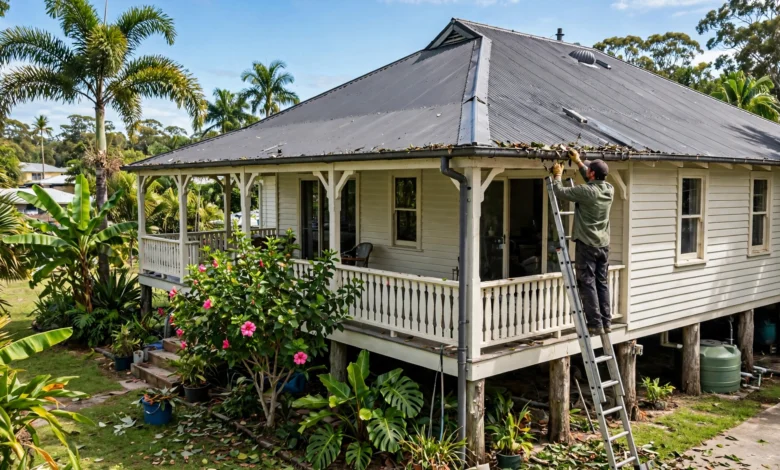
- Consider a professional gutter cleaning service for steep-pitched Queenslander roofs, where DIY access is genuinely risky
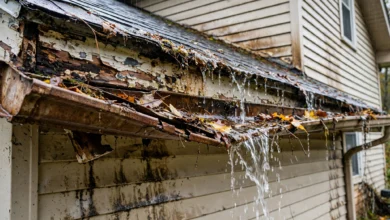
A clogged gutter during a Queensland downpour doesn’t just overflow, it can back up under the roofline and cause damage well beyond the gutter itself.
3. Install Gutter Guards for Lower Maintenance
Gutter guards are particularly useful in Queensland given how much foliage debris ends up in gutters across a typical year.
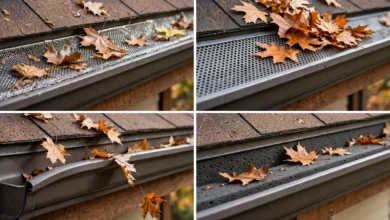
- Mesh guards handle most residential debris while allowing heavy rainfall to pass through
- Guards reduce (but don’t eliminate) the need for manual cleaning, so annual inspection is still recommended
- In bushfire-prone areas, metal mesh gutter guards are strongly preferred over plastic, since they won’t melt or ignite from embers
- Confirm your chosen guard meets any local bushfire construction requirements if your property falls within a designated zone
4. Check Roof Ventilation and Insulation
Queensland’s heat and humidity make roof ventilation more than a comfort issue, it directly affects how long your roofing materials last.
- Poor ventilation traps heat and moisture in the roof cavity, accelerating timber rot and metal corrosion
- Whirlybirds and ridge vents are common, cost-effective solutions for improving airflow
- Adequate insulation reduces heat transfer into living spaces, cutting cooling costs during peak summer
- Have ventilation checked during any roof inspection, since it’s often overlooked compared to more visible issues
5. Inspect for UV and Weather Wear Annually
Queensland’s UV index regularly ranks among the highest in the world, and that exposure breaks down roofing materials faster than in most other parts of the country.
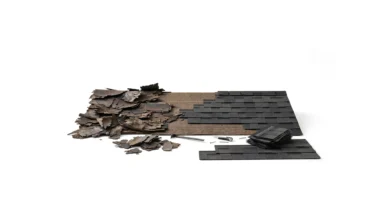
- Check for cracked, curling, or faded roof tiles, which indicate UV and heat degradation
- Inspect sealants and flashing around vents, skylights, and chimneys, since these tend to fail before the main roofing material does
- Look for rust spots on metal roofing, particularly around screw fixings and roof valleys
- Repaint or reseal Colorbond and metal roofing as needed to maintain its protective coating
An annual inspection, ideally before the wet season, catches most of these issues while they’re still minor repairs rather than full section replacements.
6. Extend and Direct Downspouts Properly
Getting water away from the house once it leaves the gutter is just as important as the gutter itself, especially with Queensland’s intense rainfall rates.
- Downspouts should discharge water at least a metre or two away from the foundation, more on sloped blocks
- Connect downspouts to stormwater drainage where required by local council regulations
- Check for blockages after storms, since heavy debris often settles inside the downspout rather than the gutter itself
- Homes on clay or reactive soils benefit from extra attention here, since poor drainage can contribute to foundation movement
7. Trim Trees and Clear Overhanging Branches
Queensland’s lush vegetation is part of the appeal of living here, but it’s also one of the biggest contributors to gutter blockages and storm damage.
- Trim branches that overhang the roofline before cyclone or storm season
- Remove dead or weak limbs that are more likely to snap in high wind
- Increase gutter cleaning frequency near heavily treed sections of the property
- Engage a qualified arborist for large trees close to the house, particularly before cyclone season in the north
8. Reinforce and Repair Before Storm Season, Not After
Reactive repairs after a storm are almost always more expensive and harder to schedule than preventative maintenance done in the dry season.
- Replace loose or rusted screws and fixings on metal roofing
- Reseal ridge capping and ensure it’s securely fixed, since this is a common failure point in high wind
- Check gutter brackets and hangers for movement, tightening or replacing as needed
- Address minor leaks immediately rather than waiting for the next inspection cycle
9. Know the Warning Signs of Roof and Gutter Damage
Some damage isn’t obvious from ground level, which is exactly why regular inspection matters. Watch for:
- Water stains on ceilings or walls, usually a sign of a roof leak that’s already progressed
- Sagging gutters or visible gaps between the gutter and fascia board
- Rust streaks running down external walls or metal roofing panels
- Granule loss on the ground near downspouts, which points to material breakdown
- Mould or damp patches in the roof cavity, often linked to poor ventilation or a slow leak
Catching these early, before the next heavy storm, is far cheaper than dealing with the aftermath once a small issue becomes a major one.
10. Understand Your Insurance and Compliance Requirements
Queensland’s exposure to cyclones and severe storms makes insurance coverage and compliance genuinely important, not just a formality.
- Confirm your policy covers storm and cyclone damage specifically, since some policies have exclusions or higher excesses in cyclone zones
- Keep records and photos of your roof’s condition and any maintenance performed, which helps with claims if damage occurs
- Ensure any roofing or gutter work is carried out by a licensed contractor, since unlicensed work can affect both compliance and insurance claims
- The Queensland Building and Construction Commission maintains a public register where homeowners can verify a contractor’s licence before engaging them for roofing or gutter work
11. Schedule Professional Inspections Before Wet and Cyclone Season
DIY checks handle a lot, but a licensed roofer or building inspector will catch structural issues that aren’t visible from the ground or even from a ladder.
- Book inspections in the dry season, before wet season rainfall and any cyclone activity increases risk
- Ask specifically about tie-down systems, flashing condition, and gutter slope during the inspection
- Use the inspection as an opportunity to discuss whether your current roofing materials still meet current wind-rating standards
- For older Queenslanders, ask about timber condition in the roof frame, since white ant and rot damage can go unnoticed for years
What to Do If Damage Happens During a Storm
Even well-maintained roofs and gutters can take damage during a severe cyclone or storm event. If that happens:
- Avoid climbing onto the roof during or immediately after a storm, wait until conditions and structural safety are confirmed
- Photograph any visible damage for insurance purposes as soon as it’s safe to do so
- Arrange emergency tarping if there’s an active leak, to limit water damage to the interior
- Contact a licensed roofer promptly for a full assessment and repair quote
Final Thoughts
Queensland’s climate doesn’t leave much room for neglecting roof and gutter maintenance, and the homeowners who fare best through cyclone and storm season are almost always the ones who addressed small issues before the weather turned. The roofing and gutter tips covered here, from choosing cyclone-rated materials and cleaning gutters ahead of the wet season to reinforcing weak points and knowing the early warning signs of damage, aren’t complicated, but they do need to happen on a schedule rather than as an afterthought. A well-maintained roof protects everything underneath it: the structure, the interior, and the people living there, and a bit of consistent attention now is far easier than a storm-damage repair bill later.
Keywords