Top Interior Designer Trends Shaping Homes in New South Wales
Interior design trends across New South Wales in 2026 favour warmth, texture and sustainability over cold minimalism. Here's what's changing.
Interior Design Trends 2026: Top 10 Stunning Shifts Transforming Homes in New South Wales
Interior design trends in New South Wales have shifted noticeably over the past year, and if you’ve walked through a display home in Sydney’s north-west or scrolled through a renovation account based in Newcastle, you’ve probably felt it. The stark, all-white, everything-matches look that dominated the last decade is losing ground. In its place, homeowners across NSW are choosing warmth, texture, and rooms that actually feel like someone lives in them.
This shift isn’t just aesthetic preference. It reflects how people want to use their homes now. Hybrid work means a kitchen table might double as a desk by 9am and a dinner spot by 6pm. Rising energy costs have pushed sustainable materials and passive design from “nice to have” into genuine priorities. And after years of pared-back interiors, there’s a collective appetite for spaces with more personality, more colour, and more story.
Whether you’re in a coastal cottage in Byron Shire, a terrace in the Inner West, or a new-build in Western Sydney, the same broad interior design trends are showing up, just adapted to different climates, budgets, and architecture. This article walks through the ten trends shaping NSW homes right now, why they’re happening, and how to bring them into your own space without chasing every passing fad. We’ll also touch on regional differences and what to look for when hiring an interior designer in NSW.
1. Warm, Earthy Colour Palettes Are Replacing Cool Grey
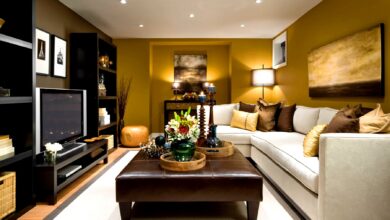
For years, the safe choice in Australian interiors was a cool grey palette: greige walls, grey stone benchtops, grey-toned timber. That’s changing fast. One of the clearest interior design trends right now is a move toward warm, earthy tones such as terracotta, soft ochre, warm browns, and muted greens.
- Terracotta and clay tones are appearing on feature walls, splashbacks, and soft furnishings
- Warm timber floors are replacing grey-washed boards
- Deep greens and olive shades are being used in kitchens and bathrooms instead of stark white
These colours suit the Australian light beautifully, especially in NSW homes with large windows and northern aspects. They also photograph well without feeling cold or showroom-like, which is part of why they’ve caught on so quickly among homeowners renovating for resale as well as those staying put long term.
Why It Works in NSW Homes
Sydney and regional NSW both get strong natural light for most of the year. Warm palettes soften harsh midday sun and make rooms feel inviting even on grey winter days in places like the Southern Highlands or the Blue Mountains, where the climate is noticeably cooler than the coast.
2. Sustainable and Biophilic Design Take Centre Stage
Sustainability has moved from a marketing line to a genuine design brief. Across the state, sustainable interior design is being requested at the very start of renovation conversations, not tacked on at the end.
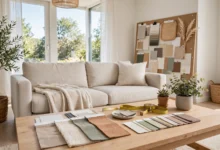
This shows up as:
- Recycled and reclaimed timber used for feature joinery, dining tables, and flooring
- Low-VOC paints and finishes chosen for indoor air quality
- Passive solar design adjustments during renovations, including better window placement and shading
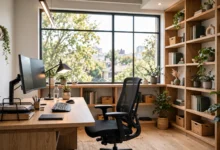
- Indoor plants and living walls integrated into open-plan living areas
- Locally sourced materials, reducing transport emissions and supporting NSW manufacturers
Biophilic design, which brings natural elements and patterns into built spaces, is closely tied to this trend. Homeowners are prioritising cross-ventilation, greenery, and natural materials like stone, rattan, and timber over synthetic alternatives. According to industry research summarised by <cite index=”1-1″>Trader’s market analysis, the expansion of sustainable and biophilic design concepts is becoming a key trend, incorporating natural elements, eco-friendly materials, and energy-efficient solutions</cite> across Australian homes.
3. Curved Furniture and Softer Architectural Forms
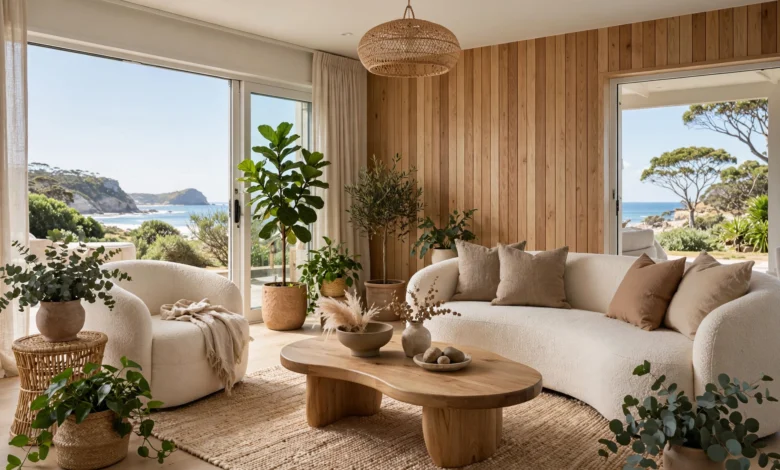
Sharp edges and boxy silhouettes are giving way to curves. Rounded sofas, arched doorways, oval dining tables, and gently curved kitchen islands are appearing in renovations right across NSW, from apartment fit-outs in the CBD to family homes in the Hunter region.
This softer approach to furniture and joinery does a few things well:
- It creates a sense of flow in smaller or oddly shaped rooms
- It pairs naturally with warm colour palettes and timber tones
- It softens open-plan spaces that can otherwise feel clinical
Design commentary from Provincial Home Living notes that <cite index=”3-1″>rounded sofas, gently arched armchairs, and oval dining tables help soften the overall look of a room, creating a sense of flow and ease in spaces that might otherwise feel structured or confined</cite>. This trend works particularly well in older NSW homes with heritage features, where curves feel more in keeping with the original architecture than hard-edged modern furniture.
4. Layered Textures Over Flat, Minimal Surfaces
Another defining interior design trend is texture. Instead of flat, uniform surfaces, NSW homeowners are layering linen, boucle, wool, rattan, and raw timber to build rooms with depth and tactility.
What This Looks Like in Practice
- Linen curtains paired with a wool rug and a leather armchair in the same room
- Timber with visible grain and knots, rather than sanded-smooth veneers
- Handmade ceramics and irregular, artisan-made pieces instead of mass-produced decor
The goal isn’t to fill a room but to combine a smaller number of well-chosen, tactile pieces so each one stands out. This approach suits the more considered, less-is-more mindset that’s replaced fast furniture trends of the past decade.
5. Smart Home Technology Woven Into Everyday Design
Smart technology is no longer a novelty add-on. It’s being designed into homes from the outset, particularly in new builds and major renovations across Greater Sydney. Automated lighting, integrated climate control, and app-controlled security systems are increasingly standard requests during the design phase rather than afterthoughts.
Market data suggests this is a structural shift rather than a passing trend. <cite index=”2-1″>The Australia interior design market reached USD 2.6 billion in 2025 and is projected to grow to USD 4.0 billion by 2034, with growth driven by urbanisation, lifestyle shifts, and smart home integration trends</cite>. In NSW specifically, this often means:
- Hidden charging stations built into joinery
- Voice-controlled lighting scenes for different times of day
- Integrated home offices with proper cable management and acoustic treatment
6. Flexible, Multifunctional Living Spaces
Hybrid work has permanently changed how NSW homeowners think about floor plans. A spare room is rarely “just” a spare room anymore. It needs to work as a home office, a guest room, and sometimes a gym, all without feeling cluttered or half-finished.
Common solutions include:
- Murphy beds and fold-away desks in smaller apartments
- Dining tables that double as workspaces, with dedicated storage for laptops and files nearby
- Zoned open-plan living, using rugs, lighting, and furniture placement to define separate “rooms” within one open space
- Outdoor rooms, including covered alfresco areas that function as an extra living space for much of the NSW calendar year
This trend is especially strong in Sydney, where property prices push many households toward smaller floor plans that need to work harder.
7. Colour Drenching and Confident Use of Colour
After years of neutral “quiet luxury” interiors, colour is back, and NSW homes are embracing it with more confidence. Colour drenching, where a single bold hue is used across walls, ceiling, trims, and even furniture, is one of the standout looks appearing in bathrooms, bedrooms, and powder rooms.
Design commentary from ABI Interiors describes this approach well, noting that <cite index=”6-1″>saturated walls, ceilings, trims, and upholstery create immersive, mood-driven rooms, and the trend is expected to remain strong as people continue exploring richly layered colours and patterns from bathrooms to bedrooms</cite>.
Deep indigo, forest green, and rich clay tones are particularly popular choices for this treatment, giving small rooms like powder rooms and reading nooks a strong sense of identity.
8. Wellness-Focused Rooms and Spaces for Slowing Down
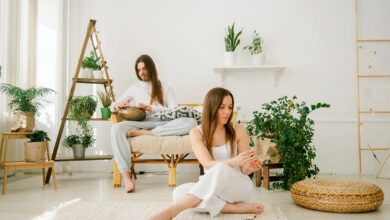
Homeowners are increasingly designing rooms with mental and physical wellbeing in mind, not just function. This includes dedicated meditation corners, home saunas, and reading nooks positioned to catch natural light. It’s part of a broader move toward what some designers call “slow living” interiors, spaces that encourage rest rather than constant stimulation.
This trend is closely tied to the earlier point about flexible spaces, but the intent is different. Rather than squeezing in more function, the goal is to protect at least one corner of the home purely for rest, quiet, or a hobby that has nothing to do with productivity.
9. Timber as a Statement Material, Not Just Flooring
Timber has moved well beyond floorboards. Designers across NSW are using rich walnut, natural oak, and reclaimed timber as feature elements in furniture, cabinetry, and even ceiling treatments. The appeal isn’t just visual. Timber pieces are often chosen because they’re built to last, which fits neatly with the broader sustainability trend already reshaping the industry.
King Living’s design team has described this shift as a move toward timber as an expressive medium rather than a background material, explaining that <cite index=”5-1″>designers are embracing timber in 2026 as an expressive medium that brings grounding energy into the home, with a focus on tactility and warmth</cite>. In NSW homes, this often means a single striking timber piece, such as a dining table or a sculptural bench seat, becomes the anchor of a room.
10. Personal, Storytelling Interiors Over Showroom Perfection
Perhaps the biggest overall shift in interior design trends across NSW is a move away from homes that look like display suites. Vintage finds, family pieces, art collected while travelling, and even slightly imperfect handmade items are being celebrated rather than hidden away.
This ties every other trend on this list together. Warm colours, layered textures, curved furniture, and statement timber all serve the same underlying goal: creating a home that reflects the people who live in it, rather than a set of rules borrowed from a magazine.
Regional Differences Across New South Wales
While the broad trends are consistent statewide, how they’re applied varies by region:
- Sydney apartments tend to favour space-saving, multifunctional furniture and smart technology, given smaller floor plates and higher density living
- Coastal areas like the Central Coast and Illawarra lean into natural, textural materials such as rattan, linen, and light timber that suit a relaxed, beachside feel
- Regional and Blue Mountains homes often embrace warmer, richer colour palettes and heavier textiles to suit cooler climates and more traditional architecture
- Hunter Valley and rural NSW properties frequently combine sustainable design with a more rustic, heritage-influenced aesthetic
Good interior designers working across NSW tend to adjust the same core trends to suit these local conditions rather than applying a one-size-fits-all approach.
Choosing an Interior Designer in NSW
If you’re planning a renovation or new build and want to bring these trends into your home properly, a few things are worth checking before hiring an interior designer:
- Ask to see a portfolio of NSW-based projects, since local climate, light, and building styles matter more than generic inspiration photos
- Clarify whether they specialise in sustainable materials, if that’s a priority for your project
- Check they’re comfortable working with your existing architecture, especially for heritage homes where curved furniture and warm palettes can look very different from a new build
- Discuss budget honestly early on, since trends like colour drenching or custom timber joinery can vary enormously in cost depending on materials chosen
Conclusion
Interior design trends across New South Wales in 2026 reflect a broader shift away from cold, showroom-perfect interiors and toward homes built around warmth, texture, sustainability, and personal meaning. From earthy colour palettes and curved furniture to smart technology, flexible layouts, and confident use of colour through techniques like colour drenching, homeowners are prioritising spaces that feel genuinely lived in rather than styled for a photograph. Regional differences across Sydney, the coast, and country NSW mean these trends look slightly different depending on where you live, but the underlying direction is the same: comfort, craftsmanship, and character over fast-changing fads. Whether you’re planning a full renovation or simply refreshing a room, focusing on quality materials, thoughtful layering, and pieces that genuinely suit how you live will keep your home feeling current well beyond this year.
Keywords: