12 Design & Planning Tips for Building Your Dream Home in Texas
Planning to build a home in Texas? These design and planning tips cover land, layout, climate, budget, and permits before you break ground.
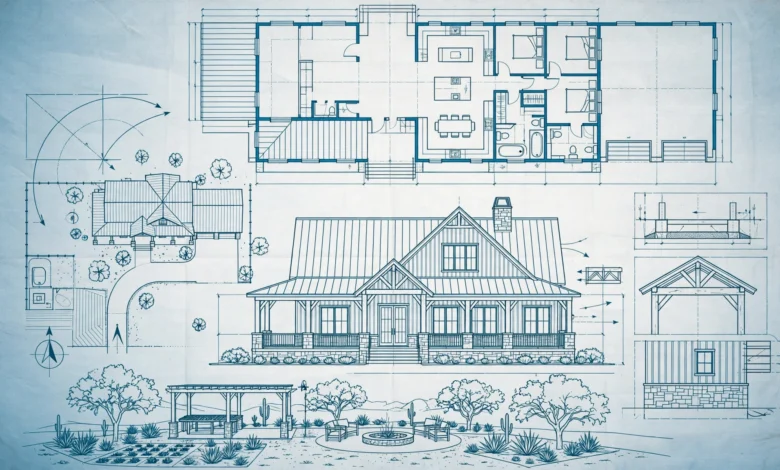
12 Design & Planning Tips for Building Your Dream Home in Texas
Building a home in Texas is an exciting project, but the state’s size, climate variety, and local building codes mean there’s a lot more to plan for than picking a floor plan you like. What works for a home in the Hill Country won’t necessarily hold up on the Gulf Coast, and a lot on the outskirts of Austin comes with different zoning questions than one near Dallas or San Antonio. Getting the design and planning phase right up front saves you money, time, and a fair amount of frustration once construction starts.
This guide pulls together practical, Texas-specific tips for anyone getting ready to build, from choosing land and understanding local climate demands to budgeting realistically and picking the right builder. Whether you’re working with a custom home builder in the Hill Country or building in a planned community outside Houston, these steps apply across the state, with adjustments for your specific region.
We’ll walk through site selection, design decisions suited to Texas heat and weather patterns, budgeting, permits, and the kind of questions you should be asking your builder before you sign anything. The goal is to help you go into your Texas home build with a clear plan, so you spend less time putting out fires during construction and more time enjoying the home you actually set out to build. Let’s start with the first and most important decision: your land.
1. Choose Your Land With Climate and Topography in Mind
Before you think about floor plans or finishes, the land itself sets the terms for everything else. Building a home in Texas means designing around real regional differences: humidity and hurricane risk on the coast, extreme heat in the central and western regions, and clay-heavy soil in areas like Dallas-Fort Worth that can shift with moisture changes.
When evaluating a lot, consider:
- Soil composition – expansive clay soils are common in North Texas and can affect foundation type and cost
- Flood zone status – check FEMA flood maps, especially near the Gulf Coast or major waterways
- Sun orientation – how the lot sits relative to the sun affects cooling costs and natural light
- Drainage – Texas storms can be intense, so proper grading matters more than people expect
- Access to utilities – rural lots may need well and septic systems instead of city water and sewer
Getting a soil and site evaluation before you finalize your home design can prevent expensive surprises once foundation work begins.
2. Understand Local Zoning and Permit Requirements
Every city and county in Texas handles permitting a little differently, and this is one area where assumptions cause real delays. Permits typically cover building, electrical, plumbing, and HVAC work, and requirements shift depending on whether you’re inside city limits, in an unincorporated area, or within a planned community with its own HOA rules.
Steps to stay ahead of this:
- Contact your local building department early, before finalizing your design
- Confirm setback requirements, height restrictions, and lot coverage limits
- Check whether your property falls under any HOA design guidelines
- Ask your builder who is responsible for pulling permits, and when
Skipping this step or leaving it until construction is already underway is one of the most common causes of delay in Texas home construction projects. The Texas Department of Licensing and Regulation maintains information on state-level licensing and building requirements that’s worth reviewing early in your planning process.
3. Design for the Texas Climate
Texas weather ranges from triple-digit summer heat to sudden cold snaps and severe storms, depending on where in the state you’re building. Designing with climate in mind isn’t just about comfort, it directly affects your long-term energy bills and how well your home holds up over time.
Design features worth prioritizing:
- Wide eaves and covered porches to shade windows and reduce direct summer sun
- High-performance, low-E windows to cut heat gain without sacrificing natural light
- Proper attic ventilation and insulation to manage heat buildup, especially in central and west Texas
- Impact-resistant windows and roofing in coastal areas prone to hurricanes
- Elevated foundations or proper drainage grading in flood-prone regions
A well-designed Texas home works with the climate instead of fighting it, which pays off every summer when your cooling costs stay manageable instead of spiking.
4. Set a Realistic Budget Early
Construction costs in Texas vary significantly by region, with major metro areas like Austin and Dallas typically running higher per square foot than rural areas. Before you fall in love with a floor plan, get a realistic sense of what your home building budget actually needs to cover.
Your budget should account for:
- Land purchase and site preparation
- Architectural and design fees
- Permits and inspections
- Foundation, framing, and structural work
- Interior finishes, fixtures, and appliances
- Landscaping and outdoor living spaces
- A contingency fund of at least 10-15% for unexpected costs
It’s easy to budget for the visible parts of a home, like countertops and cabinetry, and forget about site work, utility hookups, or grading, all of which can add up quickly on a raw lot. Building in a buffer from the start keeps a surprise expense from derailing the entire project.
5. Decide Between Custom, Semi-Custom, and Production Homes
Not every home build in Texas starts from a blank page, and understanding your options here shapes both your budget and your timeline.
- Fully custom homes give you control over every detail, from layout to materials, but come with higher costs and longer timelines
- Semi-custom homes start with a base floor plan you can modify, offering a balance between personalization and efficiency
- Production homes come from a builder’s existing catalog of plans within a planned community, typically the fastest and most budget-friendly path
If personalization matters more to you than speed, a custom or semi-custom build makes sense. If you want a faster process with fewer decisions to manage, a production home in a planned community might be the better fit. There’s no universally right answer here, it depends on your priorities and how much involvement you want in the design process.
6. Choose Your Design Team and Builder Carefully
Your builder and architect (if you’re going fully custom) will shape nearly every part of your experience, so this decision deserves real diligence rather than picking the first name that comes up in a search.
When vetting a Texas home builder, ask about:
- Licensing, insurance, and how long they’ve operated in your specific region
- A portfolio of completed homes similar in style and scope to yours
- References from recent clients, ideally ones you can actually contact
- Their in-house design support, including whether they can advise on HVAC, roofing, or insulation choices
- How they handle change orders and unexpected costs during construction
The National Association of Home Builders offers resources on vetting builders and understanding the construction process that can help you ask sharper, more specific questions during interviews.
7. Plan Your Layout Around How You Actually Live
Once you’ve settled on land, budget, and a builder, it’s time to get specific about layout. This is where a lot of homeowners get swept up in trends and lose sight of how the space will actually function day to day.
Think through:
- How much time you spend cooking and entertaining, and whether an open-concept kitchen makes sense
- Whether you need a dedicated home office or flexible space for one
- How many bedrooms and bathrooms your household realistically needs, now and in the next 5-10 years
- Storage needs, including closets, pantry space, and garage or workshop space
- Indoor-outdoor flow, which matters more in Texas than in most states given how much time people spend on porches and patios
A layout that photographs well but doesn’t match your daily routine will frustrate you long after the excitement of moving in fades.
8. Prioritize Outdoor Living Spaces
Outdoor living isn’t an afterthought in Texas, it’s part of the lifestyle. Covered patios, outdoor kitchens, and shaded seating areas get heavy use for most of the year in a state where mild weather often runs from fall through spring.
Consider incorporating:
- A covered porch or patio positioned to catch prevailing breezes
- An outdoor kitchen or grilling area if entertaining is a priority
- Native landscaping and drought-tolerant plants to reduce water use and maintenance
- Outdoor lighting for evening use during the hotter months when people shift activity later in the day
Working with a landscape designer alongside your home builder, rather than treating landscaping as a final step, tends to produce a more cohesive result between the house and its surrounding outdoor space.
9. Focus on Energy Efficiency From the Start
Given how much of the year Texas homes rely on air conditioning, energy efficiency isn’t a nice-to-have, it’s one of the more financially meaningful design decisions you’ll make. Building efficiency in from the start costs less than retrofitting it later.
Worth including in your design:
- Spray foam or blown-in insulation rated for your specific climate zone
- Energy-efficient HVAC systems sized correctly for your home’s square footage
- Radiant barrier roofing to reflect heat away from the attic
- Smart thermostats and zoned climate control for larger homes
- Solar readiness, even if you’re not installing panels immediately
10. Select Materials That Hold Up to Texas Weather
Material choices matter more in Texas than in milder climates, since homes here deal with intense sun, occasional hail, and in some regions, hurricane-force winds. Choosing materials built for durability upfront saves on maintenance and repair costs later.
- Roofing: impact-resistant shingles or metal roofing hold up well against hail and heat
- Siding: brick, stone, and fiber cement resist warping and fading better than some alternatives
- Windows: double-pane, low-E glass reduces heat transfer significantly
- Foundation: post-tension slab foundations are common in areas with expansive clay soil
11. Build in a Realistic Timeline
Most homes in Texas take somewhere between six months and a year to complete, depending on size, complexity, and how custom the build is. Weather delays, material lead times, and permit processing can all push that timeline further, so it helps to plan with flexibility rather than a fixed move-in date locked in from day one.
Steps that typically make up the schedule:
- Site preparation and foundation work
- Framing and roofing
- Rough-in for electrical, plumbing, and HVAC
- Insulation and drywall
- Interior finishes, cabinetry, and flooring
- Final inspections and walkthrough
Building in a buffer, especially around material delivery, keeps small delays from turning into major frustrations.
12. Ask Questions Throughout the Process
The best way to keep a home build on track is consistent communication with your builder from start to finish. Don’t assume no news is good news. Regular check-ins catch small issues before they become expensive ones.
Useful habits to build into the process:
- Schedule regular walkthroughs or progress updates with your builder
- Ask for clarification any time a change order comes up, including cost and timeline impact
- Keep a written record of decisions and approvals as the project moves forward
- Don’t hesitate to ask “why” when something differs from what you expected
A builder who welcomes questions and communicates clearly is usually a good sign you’ve chosen the right team for your Texas home build.
Conclusion
Building a home in Texas rewards homeowners who plan carefully before construction begins. From choosing land suited to your region’s climate and soil, to setting a realistic budget, selecting the right builder, and designing around Texas heat and weather patterns, each step in this guide plays a part in avoiding costly surprises down the line. Pair thoughtful design choices with durable materials, a flexible timeline, and consistent communication with your building team, and you set yourself up for a smoother construction process and a home that’s built to handle everything Texas weather brings for years to come.