15 Popular Design Ideas Trending Across US Homes in 2026
Discover 15 popular home design trends shaping US houses in 2026, from earthy palettes to curved furniture and spa-inspired bathrooms.
Home design trends in 2026 are moving away from the stark, all-white minimalism that dominated the last decade. Homeowners across the US want spaces that feel warm, personal, and a little imperfect, rooms that look lived in rather than staged for a magazine cover. This shift shows up in everything from paint color choices to furniture silhouettes to the materials builders are choosing for new construction.
If you’ve scrolled through renovation photos lately, you’ve probably noticed the same ideas popping up again and again: earthy color palettes, curved sofas, textured wallpaper, and bathrooms that feel more like a retreat than a utility room. These aren’t random fads. They reflect how people actually want to live right now, with more comfort, more craftsmanship, and less pressure to keep up with whatever look is trending on social media this week.
In this article, we’ll walk through 15 of the most popular interior design trends showing up in homes across the country this year. Some are subtle shifts in color and texture. Others are bigger changes in how rooms are laid out and used. Whether you’re planning a full renovation or just want to freshen up a single room, these ideas offer a good starting point for thinking about what actually works for how you live, not just what looks good in a photo.
1. Organic Luxe and Warm, Earthy Palettes
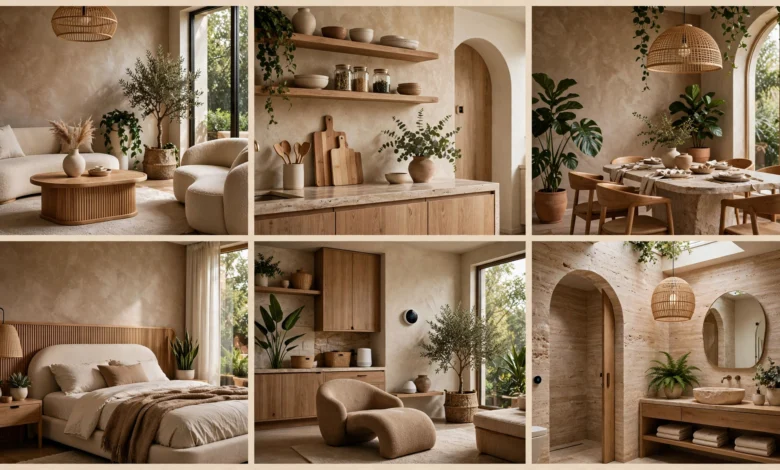
One of the biggest 2026 design trends is a move toward what many designers call “organic luxe.” Think warm, earthy color palettes like terra cotta, sage green, olive, and espresso replacing the cool grays and stark whites that felt so common a few years back.
- Walls painted in muted, nature-inspired tones instead of bright white
- Cabinetry in deep greens or warm browns
- Layered neutrals that create depth without feeling cold
This palette works because it feels grounded and calming rather than sterile. It also pairs well with natural materials, which brings us to the next trend.
2. Biophilic Design and Natural Materials
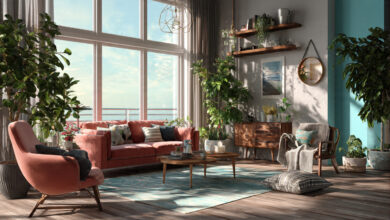
Biophilic design continues to grow in popularity because it genuinely improves how a space feels to live in. This isn’t just about adding a few houseplants. It’s a broader approach that uses natural materials, organic shapes, and abundant light to create a sense of calm.
Homes embracing this trend tend to include:
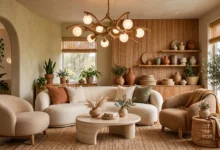
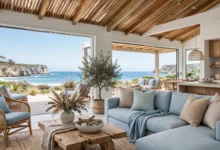
- Stone with dramatic natural veining on countertops and accent walls
- Richly grained wood flooring and furniture
- Large windows that flood rooms with daylight
- Natural fiber rugs and woven textures
- Living walls or dedicated plant nooks
People gravitate toward biophilic spaces because they reduce stress and create a stronger connection to the outdoors, something that matters more when so much of daily life happens indoors.
3. The Wallpaper Comeback
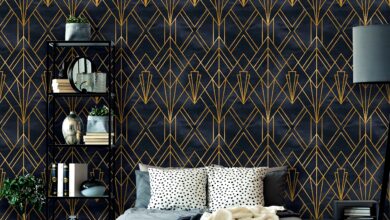
Wallpaper is having a real moment again in 2026, and it’s not the dated florals your grandmother might have chosen. Modern wallpaper trends include botanical prints, textured grasscloth, soft hand-painted murals, and micro-patterns that mimic plaster, linen, or stone.
Instead of being an afterthought, wallpaper is now treated as a core design feature that sets the tone for an entire room. A single accent wall in a bold pattern can do more to establish a room’s personality than almost any other design choice.
4. Curved Furniture and Sculptural Silhouettes
Hard lines and sharp angles are softening. Curved sofas, rounded coffee tables, and arched doorways are showing up in living rooms and bedrooms across the country. This curved furniture trend reflects a broader move toward softer, more welcoming spaces.
That said, not every designer is fully on board. Some feel that overly curved pieces risk looking dated quickly, so it’s worth choosing curved furniture that feels timeless rather than trend-chasing, a simple curved sofa arm rather than an extreme, sculptural shape.
5. Spa-Like Bathrooms
Bathrooms are being redesigned to feel less like a functional necessity and more like a personal retreat. This spa-inspired bathroom trend focuses on calm, comfort, and thoughtful amenities that turn an everyday routine into a small daily ritual.
Common features include:
- Soaking tubs positioned near a window
- Natural stone tile and warm wood vanities
- Rainfall showerheads and built-in benches
- Soft, layered lighting instead of harsh overhead fixtures
- Heated floors for year-round comfort
6. Thoughtful Maximalism
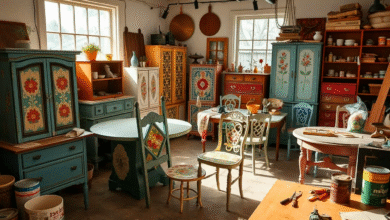
After years of minimalism, many homeowners are embracing what designers call “thoughtful maximalism.” This isn’t clutter for the sake of it. It’s a curated layering of color, pattern, and personal objects that makes a room feel collected over time rather than purchased all at once.
- Mixing patterns intentionally rather than matching everything
- Displaying meaningful collections instead of hiding them away
- Layering textures like velvet, linen, and wool in the same room
The goal is a home that feels personal and full of character, not one that looks like a showroom.
7. Vintage and Heirloom Pieces
Design trends usually take a couple of years to fully take hold, and this one has been building steadily. Vintage furniture, family heirlooms, and mid-century pieces are showing up more often, mixed in alongside newer furnishings.
This vintage home decor trend works because it gives a room instant depth and a story. A single inherited chair or an antique side table can anchor a room in a way that brand-new furniture rarely does on its own.
8. Unlacquered and Patina-Friendly Metals
Kitchen and bathroom hardware is shifting away from shiny, polished chrome toward metals that develop character over time. Unlacquered brass, bronze, and copper are trending because they age gracefully, picking up a soft patina that many homeowners now find more appealing than a permanently glossy finish.
- Unlacquered brass faucets and cabinet pulls
- Aged bronze light fixtures
- Copper accents in kitchens and bar areas
9. Checkerboard and Statement Flooring
Flooring is getting more attention as a design feature rather than a background element. Checkerboard patterns, whether in tile, stone, or painted wood, are appearing in kitchens, entryways, and bathrooms as a bold, graphic statement.
This trend pairs well with the warmer color palettes mentioned earlier, since checkerboard flooring can be done in soft, muted tones rather than the classic stark black-and-white for a look that feels updated rather than retro.
10. Muted Blues and Greens in Bedrooms and Bathrooms
While kitchens and living rooms lean toward earthy warmth, bedrooms and bathrooms are embracing muted blues and greens for a more soothing, restorative feel. Even entryways and home offices are picking up warmer, more inviting palettes instead of the stark, clinical tones that felt common in recent years.
- Soft sage or eucalyptus green in primary bedrooms
- Muted, dusty blues in bathrooms and powder rooms
- Warm neutral undertones layered throughout shared spaces
11. Craftsmanship-Driven Details
There’s a growing appreciation for visible craftsmanship rather than mass-produced perfection. This shows up in architectural millwork, hand-finished woodwork, custom trim details, and furniture built by smaller makers instead of big-box retailers.
Homeowners are willing to pay a bit more for pieces that feel built to last, both in quality and in style, rather than chasing whatever is cheapest and most disposable.
12. Layered, Lived-In Spaces
Perhaps the most defining shift in 2026 interior design trends is a move away from stark, staged interiors toward layered, lived-in spaces. Designers are increasingly leaving behind “overly themed” rooms created purely to photograph well, since those spaces often don’t hold up to everyday life.
Instead, rooms are being designed around:
- Furniture and decor collected over time rather than bought in one trip
- A mix of textures, patterns, and personal objects
- Practical comfort alongside visual appeal
13. Immersive Visualization Before Renovation
Before demolition even begins, more homeowners want to see what their finished space will actually look like. Tools like 3D floor plans and augmented reality walk-throughs are becoming a standard part of the renovation process rather than a luxury add-on.
This matters because a significant share of homeowners struggle to picture the end result at the start of a project. Being able to preview a kitchen or bathroom digitally builds confidence in design decisions before any real construction work starts, which can save both money and stress. For more detail on how these visualization tools are changing renovation planning, Houzz’s 2026 home design trend report is a useful resource.
14. Transparent, Communication-Focused Renovations
Alongside better visualization tools, homeowners are pushing for more openness and clarity throughout the entire renovation process. This means clearer timelines, more regular updates from contractors, and fewer surprises about cost or scope once a project is underway.
This trend isn’t strictly about aesthetics, but it’s reshaping how design projects get executed from start to finish, and it’s influencing which contractors and designers homeowners choose to work with.
15. Personal, Story-Driven Interiors
Above all, the strongest thread running through 2026 home design trends is personalization. Homeowners are moving away from copying a catalog look and instead building spaces that reflect their own taste, memories, and priorities.
- Displaying travel finds and family photos rather than generic decor
- Choosing furniture with a story instead of matching sets
- Prioritizing comfort and function over trend-chasing
As one interior designer put it, a home doesn’t need to follow every trend to be beautiful. If it makes the people living in it happy, it’s already doing its job. For a broader look at how design experts are approaching color and materials this year, the Classic Casual Home 2026 trend roundup offers additional perspective from working designers.
Final Thoughts
Home design trends in 2026 all point in a similar direction: warmer colors, natural materials, personal touches, and rooms built for real life rather than a photo op. From organic luxe palettes and biophilic materials to curved furniture, spa-like bathrooms, and layered, lived-in interiors, these 15 ideas give homeowners across the US plenty of ways to refresh a space without chasing every passing fad. The common thread is comfort and authenticity, choosing pieces and colors that feel like you, rather than a copy of someone else’s home. Whether you take on one small update or a full renovation, these trends offer a solid, lasting starting point for making your home feel more like your own.