Popular Design Ideas for a Modern Coastal Home in Western Australia
Modern coastal home design across Western Australia blends natural materials, ocean views, and indoor-outdoor living suited to the local climate
Popular Design Ideas for a Modern Coastal Home in Western Australia
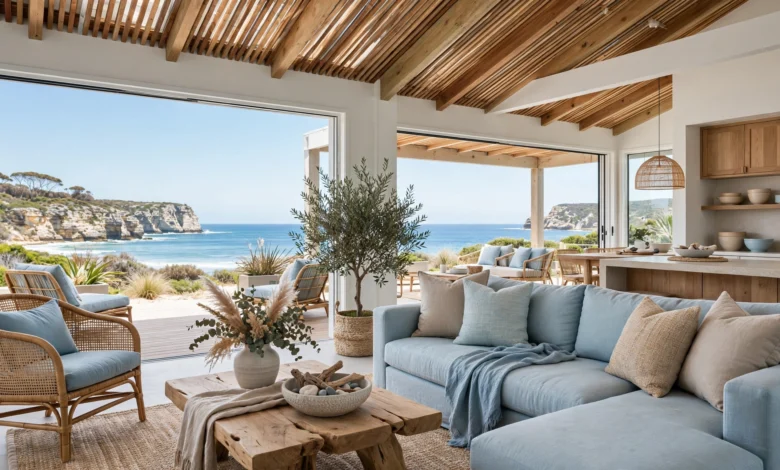
Modern coastal home design across Western Australia has moved well past the white-walls-and-rope-mirrors look that defined coastal style a decade ago. From Cottesloe and Fremantle to Mandurah and Margaret River, homeowners along WA’s 1,800-plus kilometres of coastline are building and renovating homes that respond directly to the local landscape, harsh sun, salt air, and those unbeatable ocean and river views, rather than borrowing a generic beach-house aesthetic from somewhere else.
What’s replaced the old coastal cliché is something more refined. Natural stone, timber, and concrete now sit alongside large glazing and open-plan layouts, creating homes that feel connected to the coastline without looking overly themed. It’s a shift driven partly by lifestyle, Western Australians spend a lot of time outdoors, and partly by climate, since WA’s intense sun and coastal exposure genuinely demand smarter material and layout choices than homes built further inland or in cooler states.
This article walks through the design ideas currently defining modern coastal homes across Western Australia, covering everything from materials and colour palettes to layout, glazing, and outdoor living. Whether you’re planning a new build in a coastal suburb, renovating an existing home closer to the water, or simply want to bring more of that WA coastal feel into your current space, these ideas reflect what’s actually being built and requested across the state right now.
1. Choose a Refined, Natural Material Palette
The biggest shift in modern coastal home design over the past few years has been a move away from overly literal beach-house styling toward a more sophisticated, natural material palette.
- Natural stone, honed concrete, and timber are now favoured over painted weatherboard and nautical-themed decor.
- Textured finishes are used to create a connection to the landscape without leaning on obvious coastal motifs like rope detailing or anchor prints.
- Materials are increasingly chosen for longevity, since a home built to genuinely last through WA’s climate outperforms one designed around a short-lived trend.
This approach lets a home feel coastal because of where it sits and how it’s built, rather than because of decorative add-ons layered on top.
2. Work With a Simple, Neutral Colour Scheme
Colour in a modern coastal WA home tends to stay deliberately simple, letting the materials, light, and views do most of the visual work.
- Whites, creams, and soft neutrals remain the dominant base tones across walls, cabinetry, and larger furniture pieces.
- Blues are used sparingly, often as a single accent rather than a dominant theme, to avoid the overly literal “nautical” look many homeowners now want to move away from.
- Warm timber tones are used to soften an otherwise cool, neutral palette, especially in living areas and flooring.
Keeping the palette simple also has a practical benefit in Western Australia’s bright, high-UV light, where bold or dark colour schemes can feel visually heavier than they would in a softer, more diffused light elsewhere.
3. Prioritise Indoor-Outdoor Flow
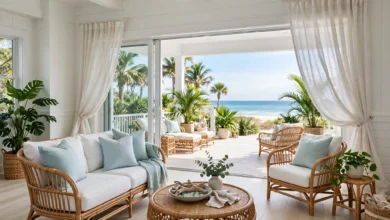
Given how much time Western Australians spend outdoors, indoor-outdoor connection is arguably the single most important element of coastal design in this state.
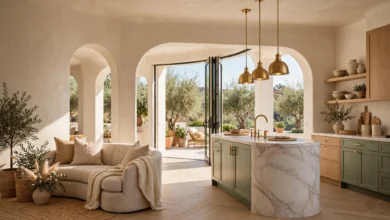
- Large sliding or bi-fold glass doors connect main living areas directly to alfresco spaces, patios, or pool areas.
- Consistent flooring materials, often the same tile or timber-look product, are used both inside and immediately outside to blur the transition between the two spaces.
- Retractable screens and outdoor blinds allow alfresco areas to stay usable through Perth’s strong summer sun and, when needed, its cooler winter evenings.
Why This Matters for WA Homes Specifically
Unlike coastal homes in cooler climates, where outdoor living is more seasonal, Western Australia’s mild winters and long, dry summers mean outdoor spaces genuinely function as extra living areas for most of the year, which makes this connection worth prioritising over almost any other design element.
4. Maximise Glazing to Frame Ocean and River Views
Large windows and glass doors aren’t just about light in a coastal WA home, they’re about making the most of views that are often the entire reason someone chose that block of land in the first place.
- Floor-to-ceiling glazing along the side of a home facing water is now standard in higher-end coastal builds.
- Window placement is planned around specific sightlines, framing a particular section of coastline, river, or garden rather than simply maximising glass for its own sake.
- Clerestory windows and skylights bring additional natural light into deeper parts of open-plan homes without compromising privacy on street-facing walls.
5. Use Durable, Salt-Resistant Materials
Coastal exposure in WA is genuinely tough on building materials, and a well-designed coastal home accounts for that from the outset rather than dealing with it through repairs later.
- Stainless steel and marine-grade fixtures resist corrosion better than standard finishes, particularly for homes closer to the immediate coastline.
- Rendered masonry, concrete, and treated timber tend to outperform painted weatherboard in salt-heavy air over the long term.
- Exterior hardware, hinges, screws, and fittings, should be specified for coastal exposure even on homes set slightly back from the water, since salt air travels further inland than most people expect.
6. Design for Perth’s Strong Sun and UV Exposure
Western Australia’s sun is intense for much of the year, and smart coastal design responds to that directly, both for comfort and for protecting interior finishes.
- Deep eaves and covered verandahs reduce direct summer sun exposure while still allowing lower-angle winter light to reach interior spaces.
- UV-treated and tinted glazing protects flooring, furniture, and artwork from fading over time.
- Orientation is planned carefully, with main living areas often facing north to balance light and heat rather than defaulting to the most obvious ocean-facing aspect.
7. Layer Natural Textures Throughout the Home
Texture plays a bigger role in modern coastal WA interiors than pattern or strong colour, giving rooms depth without moving away from the simple, neutral palette that defines the style.
- Woven natural fibres, like jute and rattan, appear in rugs, light fixtures, and furniture.
- Linen upholstery and curtains add softness while suiting WA’s warmer climate better than heavier fabrics.
- Timber grain, whether in flooring, cabinetry, or exposed beams, is left visible rather than painted over, keeping the material’s natural texture part of the design.
8. Create Outdoor Entertaining Spaces Built to Last
Outdoor entertaining areas are treated with the same design attention as interior rooms in a modern coastal home, reflecting how central they are to the WA lifestyle.
- Composite or hardwood decking is chosen for durability against sun and salt exposure, paired with outdoor lounges and dining areas for year-round use.
- Built-in barbecue and kitchen areas are increasingly standard rather than an optional extra, particularly in new coastal builds.
- Fire pits or outdoor fireplaces extend the usability of alfresco spaces into cooler evenings, especially further south around Margaret River and the South West.
9. Blend Contemporary and Hamptons-Inspired Elements
Two design directions dominate coastal builds across Perth and the wider state right now, and many homeowners are blending elements of both rather than choosing one strictly over the other.
- The contemporary approach favours cleaner lines, raw concrete, and minimal detailing that responds directly to site and climate.
- Hamptons-inspired coastal design remains genuinely popular with WA families, offering a timeless, classic aesthetic with white-painted exteriors and traditional detailing.
- Many newer builds combine a Hamptons-inspired street elevation with a more contemporary, glass-heavy rear facing the water or pool, giving homeowners the best of both directions.
10. Incorporate Local Art and Materials
A growing number of Western Australian homeowners are moving away from generic coastal decor toward pieces that genuinely reflect the region’s culture and landscape.
- Indigenous art and craftsmanship are increasingly incorporated into coastal interiors, adding depth and a genuine sense of place.
- Locally sourced stone and timber connect a home more directly to the specific area it’s built in, rather than relying on imported, generic materials.
- Handmade textiles and ceramics from local makers are being chosen over mass-produced coastal decor for a more considered, personal finish.
11. Bring in Greenery That Suits the Climate
Indoor and outdoor planting plays a supporting role in most modern coastal WA homes, softening hard architectural lines without working against the local climate.
- Drought-tolerant native plants are increasingly used in landscaping around coastal homes, reducing water use while still suiting the visual style.
- Indoor plants in simple ceramic pots add texture and colour without competing with the home’s neutral palette.
- Courtyard gardens, common in newer coastal builds, bring greenery into the centre of a home without exposing it to full coastal wind and salt.
12. Use Mixed Metals for a Considered, Layered Look
Hardware and fixtures are one of the easiest ways homeowners are adding character to an otherwise simple, neutral coastal interior.
- Matte black tapware and hardware is paired with warm brass or brushed nickel accents for contrast rather than a single uniform metal throughout.
- Lighting fixtures increasingly mix materials, combining timber, metal, and woven elements rather than a single finish.
- This layered approach keeps interiors feeling current without requiring a dramatic style change every few years.
13. Focus on Sustainable, Long-Term Design Choices
Sustainability has become a genuine consideration in Western Australian coastal design, not just an add-on, reflecting both environmental awareness and the practical need for materials that can handle the local climate long-term.
- Solar orientation and passive design principles are increasingly built into new coastal homes from the earliest planning stages.
- Durable, low-maintenance materials reduce the need for frequent repairs or replacement caused by sun and salt exposure.
- Water-efficient fixtures and drought-tolerant landscaping reflect a broader shift toward eco-conscious coastal living across the state.
Bringing These Ideas Together
According to coverage of the style’s evolution from Custom Homes Online, the defining feature of modern coastal homes now is a refined material palette that connects a home to its landscape without appearing overly themed, and that idea runs through every one of the thirteen ideas covered here. Whether it’s the choice of stone over painted weatherboard, the framing of a specific ocean view, or the decision to build outdoor living spaces that genuinely function year-round, the strongest coastal homes across Western Australia are the ones designed around the state’s actual climate and lifestyle, not a borrowed aesthetic from somewhere else.
If you’re planning a new coastal build or a renovation, start with orientation, materials, and indoor-outdoor flow before worrying about finishes and decor. Those foundational choices determine how well the home performs against WA’s sun and salt air, and they’re far harder to change later than paint colours or furniture.
Conclusion
Modern coastal home design across Western Australia has evolved into something far more considered than the beach-house styling of the past, built around natural, durable materials, a simple neutral palette, and a genuine, functional connection between indoor and outdoor living. From framing ocean views with large glazing to choosing salt-resistant finishes and blending contemporary lines with Hamptons-inspired detailing, these thirteen ideas reflect what’s actually working in coastal suburbs from Cottesloe to Margaret River right now. Whatever stage of building or renovating you’re at, focusing on materials, orientation, and outdoor living first will give you a home that genuinely suits WA’s coastline, not just one that looks like it does.
Keywords: