Design Ideas Perfect for Coastal Homes in Florida
Design ideas perfect for coastal Florida homes, covering materials, layouts and color palettes built for sun, storms and salt air.
Introduction
Design ideas that work in most parts of the country don’t always hold up along the Florida coast. Salt air, high humidity, hurricane season, and intense year-round sun all shape what actually performs well in a coastal home here, and that’s before you even get to style preferences. A finish that looks great in a magazine spread from the Northeast can warp, corrode, or fade within a couple of seasons on the Gulf or Atlantic coast.
At the same time, Florida’s coastal homeowners have more good options than ever. Builders and designers across the state have spent years refining what works: materials that age gracefully in humidity, layouts that meet updated flood and wind codes without feeling defensive, and color palettes that move beyond the predictable all-white beach house look. The result is a style of coastal design that’s more grounded, more personal, and considerably more durable than it used to be.
This article covers twelve design ideas that are genuinely well suited to coastal Florida homes, from Amelia Island to the Keys. Each one explains what the idea involves, why it holds up in this specific climate, and how to apply it whether you’re building new, renovating, or just refreshing a room or two.
Why Coastal Florida Needs Its Own Design Approach
Florida’s coastal conditions are demanding in ways that shape almost every design decision. Humidity affects material choice, salt air accelerates corrosion on unprotected metals, and updated wind and flood codes influence everything from window specifications to how high a home’s main living level sits.
Before making major changes, it’s worth understanding what your local building code actually requires, particularly around flood elevation and wind resistance, since these vary by county and flood zone. The Florida Building Commission publishes current statewide code requirements that apply to coastal construction and renovation. You can review the current standards through the Florida Building Commission.
1. A Richer, Less Predictable Color Palette
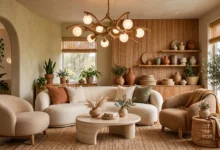
The classic all-white, bleached coastal look isn’t disappearing, but it’s no longer the default. Florida’s coastal design ideas now lean toward richer tones and moodier textures used with more confidence and contrast.
This shows up as:
- Dark-stained woods paired with sand-colored stucco exteriors
- Charcoal metals or blackened bronze fixtures instead of polished chrome
- Midnight blue shutters anchoring a lighter façade
- Warm plaster interior finishes instead of flat white walls
The palette still reads as unmistakably coastal, just with more depth and less of the bleached, generic beach house look.
2. Natural Materials That Age Well in Humidity
Florida’s climate is hard on the wrong materials, but several natural options actually improve with age in this environment. Choosing the right natural materials is one of the more important design ideas for long-term durability.
Reliable options include:
- Reclaimed and rift-sawn oak, which develops character rather than warping poorly when properly sealed
- Slate flooring, which handles humidity and heavy foot traffic well
- Rattan and woven natural fibers for furniture, provided they’re rated for indoor-outdoor use
- Unlacquered brass, which develops a natural patina instead of corroding unattractively
3. Elevated Living Levels Designed to Feel Grounded
Many coastal Florida homes now sit on elevated main living levels for flood protection, but the best examples don’t feel perched or defensive. Thoughtful elevation is one of the more technical but valuable design ideas in coastal construction right now.
Approaches that work well include:
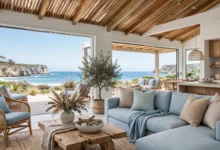
- Breezy loggias or open-air lounges beneath the elevated main level
- Parking areas wrapped in screening or latticework rather than left exposed
- Landscaping and a longer, more deliberate arrival sequence that softens the elevation change
- Improved airflow and clearer views as a genuine benefit of the added height, not just a code requirement
4. Seamless Indoor-Outdoor Living
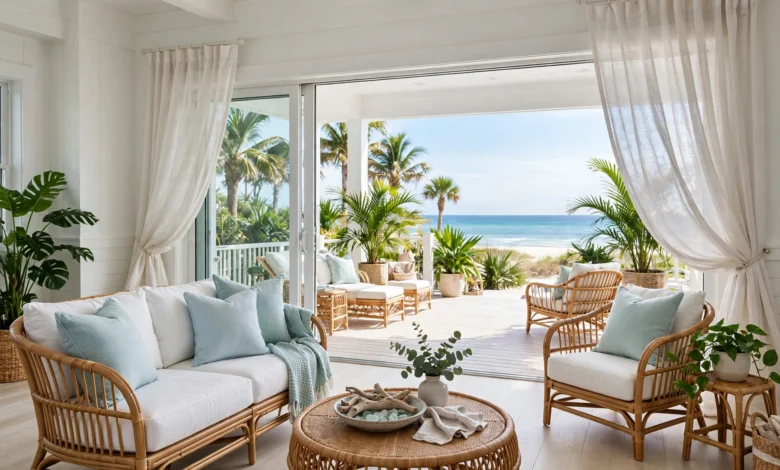
Given Florida’s climate, connecting interior and exterior spaces isn’t optional if you want a home that actually gets used year-round. Indoor-outdoor design remains one of the most consistently requested features in coastal Florida homes.
Common features include:
- Large sliding or folding glass walls that fully open living areas onto a lanai or patio
- Layered outdoor zones for dining, relaxing, and entertaining rather than one general-purpose patio
- Outdoor kitchens and built-in grill stations positioned for regular, practical use
- Screened structures that extend usability during peak insect season without sacrificing airflow
5. Hurricane-Resilient Design That Doesn’t Look Defensive
Wind and flood resilience used to mean visibly heavy shutters and utilitarian construction. That’s changing. Newer resilient design ideas integrate protection into the architecture rather than bolting it on afterward.
This includes:
- Impact-rated windows and doors that look like standard glazing, not visible storm protection
- Reinforced roofing systems designed to meet current wind codes while maintaining a clean roofline
- Concealed structural reinforcement rather than exposed bracing
- Native, storm-tolerant landscaping that reduces erosion and debris risk around the home
6. Coastal Minimalism With Warmth
Coastal minimalism remains a strong style direction, but it’s shifted away from stark, clinical interiors toward something warmer. This version of coastal minimalism uses a neutral palette without feeling cold or sparse.
Practical elements include:
- Soft sand and driftwood tones as the base palette, layered with texture rather than left flat
- Calming blues used sparingly as accents rather than an overwhelming theme
- Crisp, uncluttered lines paired with natural materials to avoid a sterile feel
- Limited but well-chosen decorative pieces instead of dense, busy styling
7. Wellness-Focused Layouts and Natural Light
Florida’s year-round sunlight is a genuine design asset, and more coastal homes are being planned around it deliberately. Window placement and room orientation have become central design ideas for supporting wellness and daily comfort.
This means:
- Window placement planned to maximize daylight and views while managing heat gain
- Spa-inspired bathrooms with soaking tubs and natural stone finishes
- Dedicated quiet or wellness spaces separated from main living and entertaining areas
- Improved air and water filtration systems, increasingly standard rather than a luxury add-on
8. Whole-Home Smart Technology That Stays Out of Sight
Smart home integration has become close to standard in new coastal construction, but the emphasis is on systems that disappear into the design rather than dominate it.
Look for:
- Climate control systems that adjust automatically for humidity and temperature swings
- Smart lighting and security systems controlled from a single concealed interface
- Automated storm shutters or window treatments that respond to weather alerts
- Wiring and technical infrastructure planned early so nothing needs retrofitting visibly later
9. Solar and Sustainable Energy Upgrades
Florida’s expedited permitting for residential solar has made sustainable upgrades more accessible than they used to be, and this is now one of the more practical design ideas for coastal homeowners focused on long-term cost and resilience.
Worth considering:
- Rooftop solar systems, which can now often be approved considerably faster than in previous years
- Battery storage paired with solar for backup power during storm-related outages
- Energy-efficient windows and insulation suited to Florida’s heat and humidity
- Native, drought-tolerant landscaping that reduces irrigation demands
10. Subtle, Abstract Coastal Motifs
Obvious nautical themes, anchors, rope detailing, literal shell motifs, have largely fallen out of favor in favor of more abstract references to the coastal environment.
This shows up as:
- Botanical prints and organic patterns that suggest the coast without stating it directly
- Natural textures like woven grasses and linen instead of literal beach imagery
- Artwork and lighting that references color and movement rather than literal coastal objects
- A more personal, layered approach to styling instead of a themed, matched look
11. Adaptive Reuse and Preservation
Rather than demolishing older coastal properties, more homeowners and builders are preserving original structures and adding modern amenities within them. Adaptive reuse is a growing design idea in Florida’s established coastal neighborhoods.
This approach typically involves:
- Preserving original architectural character while upgrading systems and finishes
- Reinforcing structures to meet current wind and flood codes without erasing original details
- Blending historic materials with newer, more resilient additions
- Maintaining neighborhood character, which often matters for both value and permitting
12. Personalized, Story-Driven Interiors
Perhaps the biggest overall shift in Florida coastal design is a move away from cookie-cutter, trend-driven interiors toward homes that reflect the people living in them.
This looks like:
- Mixing vintage or inherited pieces with newer furniture rather than a fully matched scheme
- Choosing finishes and colors based on personal preference rather than strict adherence to one coastal aesthetic
- Layered textures and lighting that create warmth rather than a showroom feel
- Design choices that prioritize how a space is actually used day to day
A Practical Starting Checklist
Before starting a coastal renovation or build in Florida, work through the essentials first:
- Confirm your flood zone designation and what elevation requirements apply
- Check current wind-load and impact window requirements for your county
- Choose materials rated for high humidity and salt air exposure from the outset
- Budget for resilient upgrades, like impact glazing and reinforced roofing, early rather than as an afterthought
- Work with a licensed contractor familiar with current Florida Building Code requirements
Conclusion
Coastal homes in Florida call for design ideas that hold up to sun, salt, humidity, and storm risk while still feeling warm and personal rather than purely functional. From richer color palettes and resilient materials to elevated living levels and seamless indoor-outdoor flow, the strongest coastal Florida homes now balance durability with genuine style rather than treating the two as separate concerns. Whether you’re planning a full build, a renovation, or a smaller refresh, choosing materials and layouts suited to this specific climate will make the difference between a home that looks good in photos and one that actually performs well for decades.