Design Ideas Inspired by Nature for Homes Across Colorado
: Design ideas inspired by nature for homes across Colorado, drawn from mountain light, aspen groves, and the state's rugged landscape.
Design Ideas Inspired by Nature for Homes Across Colorado
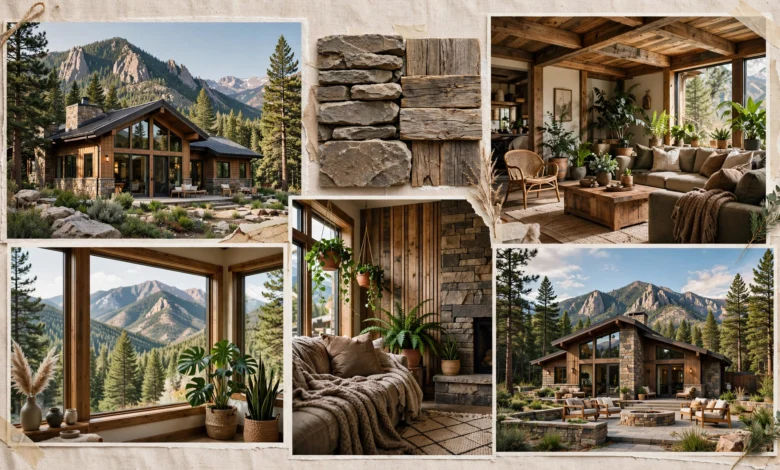
Design ideas inspired by nature for homes across Colorado tend to work better than imported design trends for one simple reason: the raw material is already right outside the window. Few states hand homeowners this much to work with. Fourteeners on the horizon, aspen groves that turn gold every September, red rock canyons out west, and a quality of high-altitude light that photographers travel here specifically to capture. Designing a home that ignores all of that is a missed opportunity, and more Colorado homeowners are realizing it every year.
The design world calls this biophilic design, a term for interiors built around humanity’s instinct to feel connected to the natural world. Denver’s newest residential towers are being modeled after aspen groves. Mountain homes near Breckenridge are being built with walls of glass specifically to frame the surrounding peaks. Even modest remodels in Boulder County are leaning into natural materials and better light rather than the imported, mass-produced looks that dominated the last decade. Colorado isn’t just adopting this style, it’s becoming one of the country’s clearest examples of what it looks like done well.
This guide is organized a little differently than most design roundups. Instead of listing generic tips, it walks through Colorado’s own landscape, mountains, forests, rivers, high desert, and shows how each one translates into a specific, practical design idea for your home. The result is a set of concepts that feel native to where you actually live, not borrowed from somewhere else.
1. Let the Mountains Set Your Sightlines
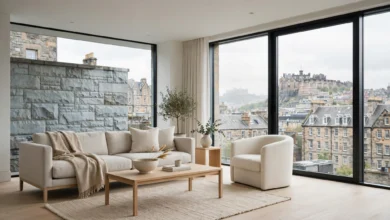
Colorado’s peaks are the state’s single most recognizable feature, and the most effective design ideas inspired by nature start by treating a mountain view as the actual centerpiece of a room, not a bonus.
- Arrange seating to face windows with mountain views rather than toward a television as the default focal point.
- Use floor-to-ceiling glazing on the wall facing the best sightline, even if that means reworking a room’s traditional layout.
- Keep window treatments minimal or motorized so the view stays visible as the room’s dominant feature throughout the day.
A well-framed mountain view does more for a room’s atmosphere than almost any decorative choice you could make instead.
2. Borrow Colorado’s High-Altitude Light
Colorado gets an unusually high number of sunny days annually, and its high elevation gives that sunlight a distinct clarity and intensity compared to lower-altitude states. Good design here works with that light rather than around it.
- South-facing glazing captures the most consistent daylight and helps interiors stay naturally warm through cooler months.
- Clerestory windows bring light deep into interior rooms without compromising privacy along street-facing walls.
- Choose warm, reflective wall finishes that bounce natural light further into a room, especially useful in homes with limited window area.
The U.S. Department of Energy notes that homes designed to maximize natural daylight can meaningfully cut electricity use, which makes this one of the rare nature-inspired ideas that pays for itself over time.
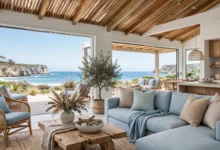
3. Bring the Aspen Grove Indoors
Aspen trees are one of Colorado’s most iconic natural features, and their pale, vertical trunks and shifting gold canopy have become a genuine design reference point across the state, from Denver apartment facades to mountain home interiors.
- Vertical wood paneling or slatted wall treatments echo the rhythm of an aspen grove without being literal about it.
- Warm, golden accent tones in textiles or lighting nod to autumn aspen color without leaning on obvious nature clichés.
- Grouped plantings of birch or aspen-adjacent species near entryways or courtyards extend the reference outdoors as well as in.
Denver’s design community has embraced this idea at real scale. One prominent residential tower in the city’s River North district was designed with a facade specifically meant to resemble a grove of aspen trees, a clear signal of how central this particular piece of Colorado’s landscape has become to the state’s design identity.
4. Use Stone the Way the Rockies Do
Exposed rock and boulder fields define much of Colorado’s foothill and mountain terrain, and natural stone remains one of the most direct ways to bring that texture into a home.
- Locally quarried stone connects a home visually to the specific region or mountain range it’s built in.
- Stone fireplace surrounds and accent walls anchor a room the same way a rock outcropping anchors a mountainside.
- Mixing stone with warm wood tones keeps the material from feeling cold, softening its natural ruggedness.
5. Reference the State’s Rivers and Streams With Water Features
Colorado’s mountain streams and alpine lakes are part of what makes the state’s outdoor spaces so restorative, and a well-placed water feature brings a version of that calm indoors or onto a patio.
- A small fountain near an entry mimics the ambient sound of a mountain creek.
- Reflecting pools or shallow water features work well on patios that already face a garden or landscaped view.
- Indoor water walls suit larger entryways or sunrooms, adding both sound and a subtle sense of movement to an otherwise still space.
6. Take Cues From Colorado’s Red Rock Country
Not all of Colorado is alpine. The state’s western slope and high desert regions offer a completely different natural palette, one increasingly showing up in interiors well beyond that part of the state.
- Deep rust, terracotta, and burnt orange tones reference the sandstone formations found throughout western Colorado.
- Rougher, more textured plaster or stucco finishes echo the eroded, wind-shaped rock common to the region.
- Pairing these warmer desert tones with cooler mountain grays creates a palette that reflects Colorado’s genuine geographic range rather than a single generic “nature” look.
7. Build Rooms Around Organic, Natural Shapes
Nature rarely produces straight lines, and homes designed to feel genuinely connected to the outdoors often move away from rigid, boxy furniture in favor of softer, more organic forms.
- Curved sofas, rounded coffee tables, and arched doorways soften a room’s overall geometry.
- Handmade or irregularly shaped decor pieces avoid the overly uniform look of mass-produced furniture.
- Patterns inspired by natural forms, tree rings, water ripples, wind-carved rock, reinforce the organic feel without relying on literal nature imagery.
8. Design for Colorado’s Genuine Four-Season Climate
Colorado’s weather is more variable than outsiders often expect, with warm, sunny days possible even in winter alongside real cold and heavy mountain snowfall. Outdoor living spaces designed with this in mind get used far more often.
- Add a covered patio or four-season room to extend outdoor living across a wider temperature range.
- Install a built-in fire pit or outdoor fireplace, especially valuable at higher elevations where evenings cool quickly.
- Use large sliding or retractable glass walls so a living room can open directly onto a deck whenever the weather allows.
- Choose durable, weather-resistant outdoor furniture built to handle both intense high-altitude UV and sudden temperature swings.
9. Source Materials From the Region Itself
Beyond general natural materials, many Colorado homeowners are increasingly specific about sourcing, choosing materials that come directly from the state rather than simply resembling its landscape.
- Reclaimed barn wood from Colorado’s ranching history adds a layer of authenticity that imported materials can’t replicate.
- Regionally quarried stone and locally milled timber typically perform better in the state’s climate and altitude than imported alternatives.
- Working with Colorado craftsmen and mills supports the local economy while keeping material choices genuinely tied to place.
10. Layer in Textures That Reflect the State’s Ranching and Mountain Heritage
Texture carries as much of the nature-inspired feel as color does, and Colorado’s ranching and mountain history offers a distinct set of materials to draw from.
- Wool and sheepskin textiles suit the state’s cooler mountain climate while nodding to its ranching roots.
- Leather furniture, a staple of Colorado mountain style, pairs naturally with the wood and stone finishes common throughout the region.
- Woven natural fiber rugs add grounding texture underfoot without competing with a room’s other natural materials.
11. Choose Native Plants Over Imported Greenery
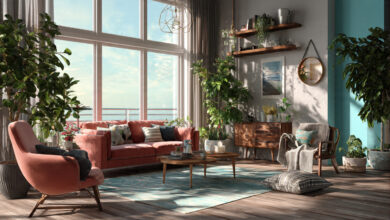
Indoor plants remain one of the simplest ways to apply biophilic principles, but the plant choices themselves matter more than people often realize.
- Native or regionally hardy species reflect Colorado’s actual plant life rather than feeling out of place against the surrounding climate.
- Group plants by light requirement, placing sun-loving varieties near the state’s abundant south-facing windows.
- Living walls or vertical gardens make efficient use of stairwells and entryways where floor space is limited.
According to Decorilla’s coverage of biophilic interior design, the strongest examples of this style draw inspiration from natural shapes and patterns, curves, ridges, winding forms, rather than relying on decor that simply looks generically “nature themed,” a distinction worth keeping in mind when choosing plants and greenery for a Colorado home specifically.
12. Prioritize Sustainable Choices Suited to Colorado’s Climate
Sustainability isn’t separate from nature-inspired design in Colorado, it’s a practical necessity given the state’s climate extremes and ongoing water conservation efforts.
- Energy-efficient windows manage heat loss during cold mountain winters and limit heat gain during increasingly hot Front Range summers.
- Drought-tolerant, native landscaping reduces water use while still reflecting the state’s natural plant life.
- Smart home systems that adjust heating, cooling, and lighting by room and daylight level help reduce energy waste across homes with varying elevation and sun exposure.
Putting Colorado’s Landscape to Work in Your Home
None of these twelve ideas require a mountain lot or an unlimited budget. A Denver townhome can borrow the aspen-inspired vertical paneling and warm gold tones. A Front Range remodel can prioritize natural light and native landscaping. A full mountain build can go further, with reclaimed regional timber, stone sourced from the surrounding range, and glazing designed specifically around a peak view. What ties all of it together is the same underlying idea: Colorado’s landscape isn’t a backdrop to design around, it’s genuinely one of the best design resources available anywhere in the country.
Conclusion
Design ideas inspired by nature for homes across Colorado work because they draw directly from what makes the state distinctive in the first place, its mountains, aspen groves, rivers, and high desert terrain, rather than borrowing a generic version of “natural” design from somewhere else. Framing mountain views, using regionally sourced stone and timber, building around Colorado’s genuine four-season climate, and choosing native plants and earthy, landscape-informed color palettes all work together to create homes that feel rooted in their surroundings. Whether you’re updating a single room or planning a full build, treating Colorado’s landscape as an active design partner is the clearest way to bring these ideas into your own home.