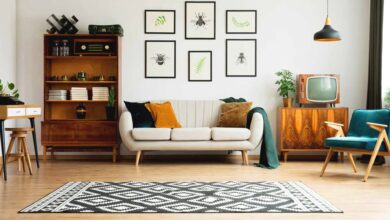
12 Interior Design Tips From Top Designers in Manchester
: Interior design tips from top designers in Manchester cover color, layout, materials, and lighting for period and modern homes alike.
12 Proven Interior Design Tips From Top Designers in Manchester
Introduction
Interior design tips from top designers in Manchester tend to sound a little different from advice you’d get elsewhere, and there’s a reason for that. Manchester is a city built on contrast: red-brick Victorian terraces sitting a few streets from converted industrial lofts, and grand period conversions next to sleek new-build apartments. A design approach that works for one doesn’t automatically work for the other, which is exactly why local expertise matters so much here.
What’s changed over the past few years is how confident Manchester’s design scene has become. This is no longer a city known purely for its industrial heritage. It’s become a genuine hub for creative, considered interior design, with local designers blending exposed brick and cast iron detailing with contemporary furniture, sustainable materials, and layouts built around how people actually live now, not how a Victorian terrace was originally designed to be used.
This article pulls together twelve practical tips drawn from how Manchester’s leading designers actually approach projects, from managing period features and awkward layouts to choosing materials that suit the city’s mix of old and new architecture. Whether you’re renovating a Victorian conversion, styling a city-centre loft, or simply want to freshen up a family home, these tips reflect the kind of decisions a professional designer would make on your behalf.
1. Respect the Building’s Original Character
Manchester’s housing stock is unusually varied, and one of the first things a good designer does is read the building before making any decisions. Victorian terraces, industrial conversions, and Georgian townhouses all call for different approaches.
- Identify original features worth preserving, such as cornicing, fireplaces, or exposed brickwork
- Avoid stripping out period details purely for a “clean” look, since these features often add both character and resale value
- Use original architecture as a starting point for the overall design direction rather than working against it
2. Blend Industrial Features With Contemporary Furniture
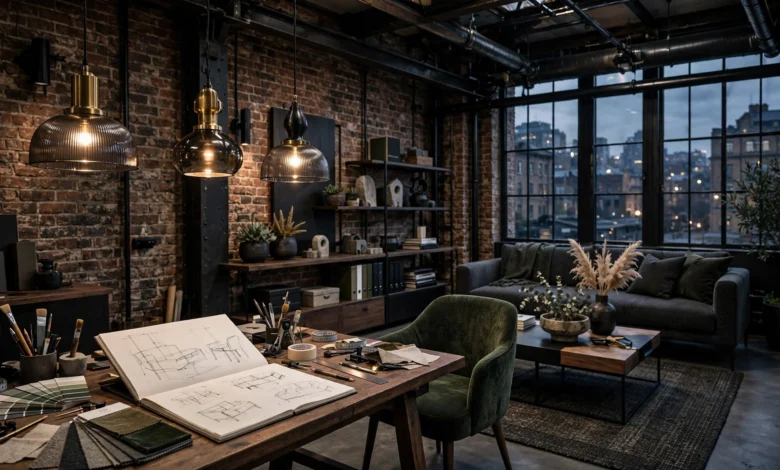
Given Manchester’s industrial heritage, exposed brick, cast iron columns, and original ceiling beams show up often in converted warehouse apartments and loft spaces. Top designers rarely hide these features. Instead, they build the design around them.
- Pair raw materials like brick and metal with softer, contemporary furniture to balance the space
- Use warm lighting to offset the coolness of industrial materials
- Introduce textiles, such as wool rugs or linen upholstery, to stop a converted space from feeling cold or unfinished
3. Plan Layout Before Choosing Furniture
One of the most consistent pieces of interior design advice from professionals is to resist buying furniture before the layout is settled. Many Manchester homes, particularly period terraces, have awkward proportions that need solving first.
- Measure the space accurately, including doorways, alcoves, and windows
- Map out how the room will actually be used day to day
- Test furniture placement with paper templates or masking tape before committing
- Only then start sourcing pieces that fit both the scale of the room and the intended layout
4. Choose a Cohesive Whole-Home Color Palette
A scattered color scheme is one of the fastest ways to make a home feel disjointed. Manchester designers commonly recommend settling on two or three anchor colors before decorating any individual room.
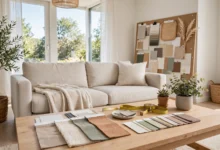
- Use warmer neutrals in period properties to complement original wood and brick tones
- Consider cooler, more contemporary palettes for new-build apartments and lofts
- Carry at least one shared color thread through connecting spaces, particularly in open-plan layouts
5. Maximise Natural Light Wherever Possible
Manchester’s climate means natural light is a genuinely valuable resource, and designers here treat it accordingly. Getting the most out of what light a room has can transform how spacious and welcoming it feels.
- Use light, reflective paint colors in rooms with limited natural light
- Avoid heavy window treatments that block daylight; opt for sheer or lightweight fabrics instead
- Position mirrors to reflect light from windows back into darker corners of a room
6. Invest in Sustainable and Local Materials
Sustainability has become a genuine priority for many of Manchester’s top interior designers, not just a trend mentioned in passing. Homeowners increasingly want spaces that look good and reduce environmental impact.
- Choose reclaimed or FSC-certified wood furniture where possible
- Opt for low-VOC paints, particularly in bedrooms and living spaces
- Source materials from local suppliers to reduce transport impact and support the regional design economy
7. Use Statement Lighting as a Design Feature
Lighting does more than illuminate a room; it sets the tone of the entire space. Rather than treating lighting as an afterthought, many designers build it into the design plan from the start.
- Layer ambient, task, and accent lighting in every main living area
- Use a statement pendant or fixture as a focal point in dining and living rooms
- Match lighting fixture style to the room’s overall character, industrial-style fittings for lofts, more classic fixtures for period homes
8. Mix Textures to Add Depth
A room built entirely from smooth, matching surfaces can feel flat no matter how well-coordinated the colors are. Texture is what gives a space depth and warmth.
- Combine hard surfaces like wood and stone with soft textiles such as wool, linen, or bouclé
- Layer rugs, cushions, and throws in varying textures within a consistent color family
- Use texture to soften industrial or minimalist spaces without cluttering them
9. Prioritise Functional Storage
Manchester’s mix of period terraces and compact city-centre apartments means storage is a real design challenge, not just an afterthought. Good designers build storage solutions into the plan from the beginning rather than adding them in later.
- Use built-in joinery to make the most of awkward alcoves common in Victorian properties
- Choose multifunctional furniture, such as ottomans or benches with hidden storage, in smaller rooms
- Plan storage around how a space is actually used, not just what looks tidy in a photograph
10. Create a Focal Point in Every Room
A room without a clear focal point can feel unresolved, even if every individual element is well chosen. Designers typically build a room’s layout around one strong feature.
- Use a fireplace, statement artwork, or architectural feature as the anchor for furniture arrangement
- In rooms without an obvious focal point, create one with a bold piece of furniture or a considered lighting fixture
- Arrange seating and layout to draw the eye toward the chosen focal point rather than competing with it
11. Work With Local Suppliers and Tradespeople
Hiring a Manchester interior designer with established local relationships genuinely changes how smoothly a project runs. Local knowledge of suppliers, showrooms, and tradespeople isn’t a minor convenience; it directly affects cost, timeline, and quality.
- Local designers often have access to trade-only showrooms not available to the general public
- Established relationships with contractors and tradespeople tend to mean more reliable timelines
- Local suppliers reduce delivery lead times, particularly valuable for larger renovation projects
Resources such as the British Institute of Interior Design list credentialed designers by region, which is a useful starting point when looking for a professional with genuine local experience.
12. Don’t Follow Every Trend
Perhaps the most consistent advice from established designers is to be selective about trends. What looks current today can feel dated within a few years, and a home built entirely around trends rarely ages well.
- Choose timeless foundations, such as flooring, cabinetry, and large furniture pieces, that won’t need replacing every few years
- Introduce trends through smaller, lower-cost items like cushions, art, or accessories
- Focus on what genuinely suits the way you live, rather than what’s currently popular on social media
For a broader look at how flow and consistency are built into a design plan, the Houzz guide to creating cohesion offers useful additional context that applies well beyond Manchester specifically.
What Separates a Great Manchester Interior Designer From the Rest
Beyond aesthetics, the strongest designers bring a combination of skills that make the entire process smoother:
- Spatial planning expertise – the ability to see potential in an awkward or oddly shaped room
- Timeless design sense – creating spaces that won’t feel dated within a few years
- Project management skills – keeping budgets and timelines realistic and on track
- Bespoke thinking – tailoring the design to the client rather than applying a one-size-fits-all template
Frequently Asked Questions
Do I need a different design approach for a Victorian terrace versus a modern apartment in Manchester? Yes, to some extent. Period properties benefit from designs that work with existing architectural features, while modern apartments and lofts often suit a more contemporary, minimal approach, though both can successfully mix eras with the right balance.
How much does it typically cost to hire an interior designer in Manchester? Fees vary depending on project scope, but most designers charge either an hourly rate, a flat project fee, or a percentage of the total project cost, often in the 10–20% range for larger renovations.
Is it worth hiring a designer for a single room, or only for full renovations? Many Manchester designers work on single-room projects as well as full renovations. A single-room consultation can still be worthwhile if you’re unsure how to solve a layout or styling challenge on your own.
Conclusion
Interior design tips from top designers in Manchester consistently come back to the same core ideas: respect the building’s original character, plan layout before furniture, commit to a cohesive color palette, and treat lighting, texture, and storage as essential parts of the design rather than afterthoughts. Blending industrial features with contemporary furniture, prioritising sustainable and local materials, creating a clear focal point in every room, and working with designers who have genuine local supplier relationships all contribute to a home that feels considered rather than assembled. Above all, the strongest advice is to build a home around timeless foundations and your own way of living, using trends sparingly rather than letting them drive every decision, so the finished space still feels right years from now.
Keywords: