How to Work With an Interior Designer Remotely
Learn how to work with an interior designer remotely, from virtual consultations to sharing measurements, feedback, and mood boards.
How to Work With an Interior Designer Remotely: 9 Essential Tips for Success
Introduction
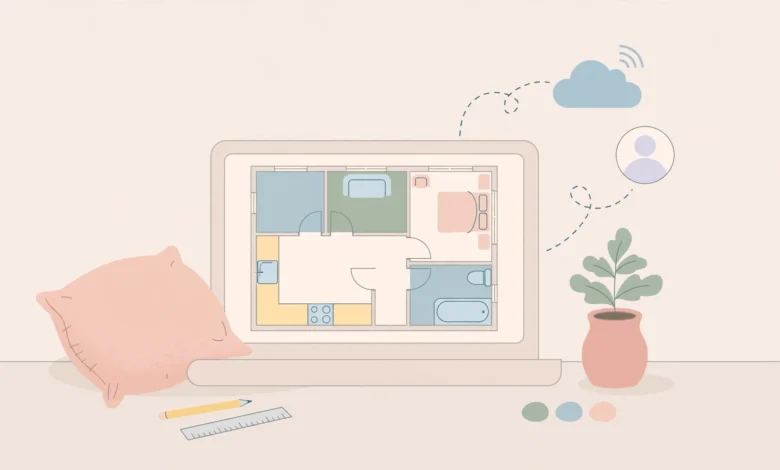
Learning how to work with an interior designer remotely has become one of the more useful skills for homeowners over the past few years, and it’s not a trend that’s fading. What used to require in-person walkthroughs, showroom visits, and face-to-face meetings can now happen almost entirely through video calls, shared photos, and digital design boards. Often called e-design or virtual design, this approach gives you access to a designer’s expertise no matter where either of you actually live.
The appeal is obvious: a homeowner in a smaller town can now work with a designer whose portfolio and aesthetic genuinely match what they’re looking for, instead of settling for whoever happens to be nearby. Remote design also tends to be more cost-effective, since it cuts out travel time and some of the overhead built into traditional in-person engagements. But it does ask more of you as the client. Without a designer standing in your living room, you become the one supplying accurate measurements, clear photos, and honest feedback, which means the process only works as well as the information you put into it.
This guide walks through exactly how to work with a remote interior designer, from the first virtual consultation through final sourcing, so you know what to prepare, what to expect, and how to get the most out of the collaboration.
1. Understand What Remote Interior Design Actually Involves
Before diving in, it helps to know what you’re signing up for. Remote interior design, also called e-design or virtual design, works similarly to an in-person engagement, with one key difference: instead of visiting your home, the designer works from photos, video, measurements, and detailed information you provide.
A typical remote engagement includes:
- An initial virtual consultation to discuss your goals, style, and budget
- A request for photos, videos, and measurements of the space
- Development of a design concept, often including mood boards and space plans
- A curated sourcing list of furniture, finishes, and materials
- Ongoing communication through email, video calls, or a shared design platform
It’s worth noting this approach may not suit every project. If you want someone to physically manage contractors, create detailed construction documents, or make every decision on your behalf, a full-service in-person designer may be a better fit than remote design.
2. Prepare Accurate Measurements Before Your First Call
Nothing derails a remote design project faster than inaccurate measurements. Since your designer can’t walk the space themselves, the numbers you provide become the foundation for everything else, from furniture selection to layout planning.
- Measure the full length and width of the room, along with ceiling height
- Note the location and dimensions of windows, doors, and any built-in features
- Measure electrical outlets, light switches, and any fixed elements like radiators or vents
- Double-check measurements before sending them, since even small errors can throw off furniture proportions
Many designers provide a measurement guide or checklist before your first session specifically to help you get this right.
3. Take Clear, Well-Lit Photos and Video
Photos and video are essentially your designer’s eyes on the space, so the quality of what you share directly affects the quality of what they can recommend.
- Photograph each wall of the room straight on, not at an angle, to give an accurate sense of proportion
- Take photos in natural daylight where possible, since lighting affects how colors and finishes will actually look
- Include wide shots that capture the whole room as well as close-ups of details like flooring, trim, or existing fixtures
- Record a short walkthrough video if your designer requests one, since video often communicates flow and scale better than static photos
4. Make the Most of Your Virtual Consultation
The first virtual consultation sets the tone for the entire project. Treat it the way you would an in-person meeting: prepared, focused, and clear about what you want.
- Come with a checklist of goals, must-haves, and any non-negotiables for the space
- Share reference images or a mood board of styles you’re drawn to
- Be upfront about your budget range, since it directly shapes what the designer can realistically propose
- Ask how the designer typically communicates and how often you should expect updates
Using video rather than just a phone call helps replicate some of the personal connection you’d get from an in-person meeting, and lets you screen-share reference material in real time.
5. Set Up a Clear Communication and Feedback Process
Working with an interior designer remotely depends heavily on communication, since there’s no opportunity for a quick in-person check-in when something’s unclear. Establishing a clear process early on keeps the project moving smoothly.
- Agree on a primary communication channel, whether that’s email, a project management tool, or a dedicated design platform
- Set expectations for response times on both sides
- Provide feedback promptly and specifically; vague feedback like “I don’t love it” is far less useful than “the sofa feels too formal for how we use the room”
- Ask your designer to summarize decisions in writing after each call, so there’s a clear record to refer back to later
6. Understand the Deliverables You’ll Receive
One of the biggest differences between remote and in-person design is what actually gets handed to you at the end of each phase. Most remote interior designers provide a structured design package rather than managing every detail hands-on.
Typical deliverables include:
- Mood boards showing color palettes, textures, and overall style direction
- Space plans outlining furniture layout and flow
- Elevations or renderings, giving a visual sense of how the finished room will look
- A sourcing list, with specific furniture, finishes, and material recommendations, often including purchase links
Since you’re typically responsible for executing the plan yourself, being clear on exactly what’s included in your package before you start prevents confusion later.
7. Know What You’re Responsible for Implementing
Unlike a full-service in-person designer who might manage contractors and oversee installation, remote design usually leaves execution in your hands. Understanding this upfront prevents mismatched expectations.
- You’ll typically be responsible for ordering furniture and materials from the sourcing list provided
- Any contractor work, painting, or installation is usually managed by you or a local tradesperson you hire separately
- Some remote designers offer limited follow-up support after delivering the design package, so it’s worth clarifying this before you start
- Budget for potential delays with shipping and delivery, since you’re coordinating logistics that an in-person designer might otherwise handle directly
8. Choose a Designer With Strong Remote Communication Skills
Not every talented designer translates well to a remote working relationship. When evaluating candidates, look specifically for signs they’re set up to work virtually, not just for a strong portfolio.
- Ask how they typically structure remote consultations and what tools they use
- Look for designers who provide clear, detailed written summaries rather than relying on verbal explanations alone
- Check reviews or references specifically from remote or e-design clients, not just in-person projects
- Confirm they’re comfortable with whatever platform you’ll be using, whether that’s video calls, a shared design app, or email-based collaboration
Professional bodies such as the American Society of Interior Designers list credentialed members and can be a useful starting point when vetting a designer’s background and training, remote or otherwise.
9. Budget for the Differences Between Remote and In-Person Design
Remote design is often more affordable than a full-service in-person engagement, but it’s worth understanding where the savings come from and where they don’t apply.
- Remote consultations typically range from roughly $150 to $900 per hour depending on the designer’s experience and reputation
- Savings usually come from reduced travel costs and lower overhead, not necessarily from a lower hourly rate
- Full design packages for a single room are often priced as a flat fee rather than hourly, making budgeting more predictable
- Confirm whether revisions are included in your package or billed separately, since this varies significantly between designers
For a broader look at how the remote design workflow is typically structured, Houzz Pro’s guide for design professionals offers useful context on how virtual engagements compare to traditional, in-person design work.
Common Mistakes to Avoid
A few habits tend to undermine an otherwise smooth remote design project:
- Sending rushed or inaccurate measurements, which throws off the entire layout plan
- Providing vague feedback, which slows down revisions and leads to miscommunication
- Skipping the budget conversation early on, leading to design recommendations outside your actual price range
- Assuming the designer will handle implementation, when most remote packages leave execution to the client
Frequently Asked Questions
Is remote interior design as effective as working with someone in person? For many projects, yes, particularly single-room refreshes or smaller-scale updates. Larger renovations involving structural changes or heavy contractor coordination usually still benefit from an in-person designer.
How long does a typical remote design project take? Timelines vary, but many single-room e-design packages are delivered within two to four weeks from the initial consultation, depending on the designer’s process and how quickly you provide feedback.
Do I need any special software to work with a remote interior designer? Not usually. Most remote designers work through standard tools like video calls, email, and PDF design documents, though some use dedicated design platforms that may require creating an account.
Conclusion
Working with an interior designer remotely comes down to clear preparation and communication on your end: accurate measurements, well-lit photos, a focused virtual consultation, and prompt, specific feedback throughout the process. Understanding what deliverables to expect, what you’ll be responsible for implementing yourself, and how remote pricing typically works helps you go in with realistic expectations rather than assumptions carried over from in-person design. Choose a designer who communicates clearly and has genuine experience working virtually, not just a strong portfolio, and remote design can deliver results just as considered and personal as an in-person engagement, often with more flexibility and at a lower overall cost.
Keywords: