Interior Designer Tips for Blending Styles in Your Home
Interior designer tips for blending styles in your home cover color, proportion, and layering to mix aesthetics without visual chaos.
Introduction
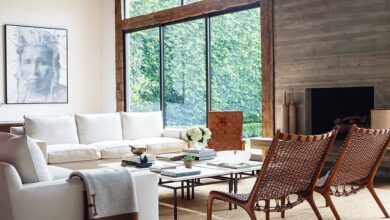
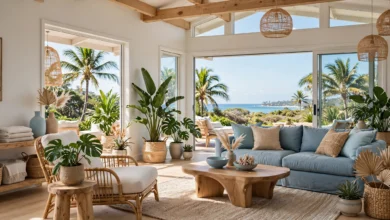
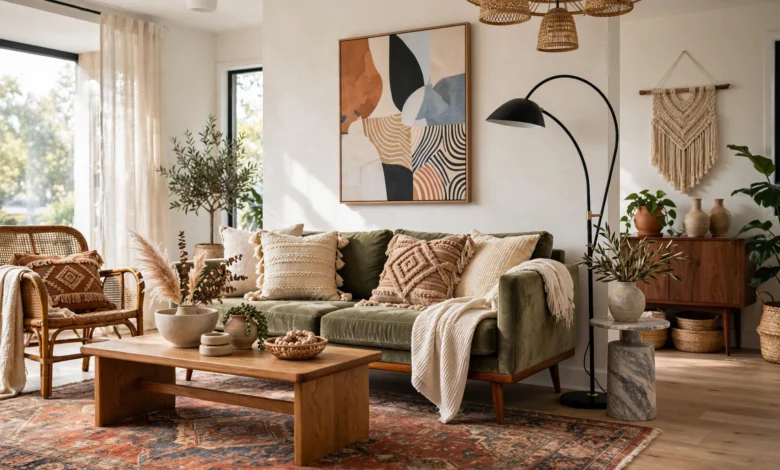
Blending styles in your home sounds simple until you actually try it. You love the clean lines of modern furniture but can’t part with a vintage rug your grandmother gave you. Your partner is drawn to warm, traditional pieces while you lean minimalist. Or maybe you just genuinely love more than one aesthetic and don’t see why your home should be forced into a single, tidy category. The good news is that mixing styles is not only possible, it’s how most genuinely interesting homes actually come together.
The challenge isn’t whether you can blend styles. It’s doing it in a way that feels intentional rather than accidental. There’s a real difference between a room that mixes eras and aesthetics with confidence and one that just feels like mismatched furniture accumulated over time. That difference usually comes down to a handful of principles interior designers rely on again and again: a consistent color thread, thoughtful proportion, and a clear sense of which style is leading and which is playing a supporting role.
This guide walks through ten practical strategies for blending styles successfully, from choosing a dominant aesthetic to using color and texture as the glue that holds everything together. Whether you’re merging two people’s tastes into one home or simply drawn to more than one look, these tips will help you build a space that feels curated rather than chaotic.
1. Choose a Dominant Style and a Supporting One
One of the most reliable principles in mixing interior design styles is what many designers call the 80/20 rule. Rather than giving every style equal weight, choose one aesthetic to serve as the overarching presence in a room, with a secondary style layered in as an accent.
- Let roughly 80% of the furniture and fixtures follow one primary style
- Reserve the remaining 20% for a secondary style, expressed through statement furniture, art, or accessories
- Avoid splitting a room evenly between two styles, which tends to feel unresolved rather than intentional
This approach gives a room a clear identity while still leaving room for contrast and personality.
2. Build From a Neutral Foundation
A neutral backdrop makes it far easier to blend different styles without the space feeling overwhelming. This doesn’t mean everything has to be beige or white; neutrals can include earth tones, soft blues, moody browns, or warm greiges, as long as they stay quiet enough to let mixed furniture styles coexist.
- Choose a neutral wall color, flooring, or large upholstery pieces as your base
- Save bolder colors and patterns for accent pieces like pillows, art, or a single statement chair
- Keep large furniture pieces relatively simple in form, saving ornate or bold details for smaller accessories
3. Use a Tight, Repeated Color Palette
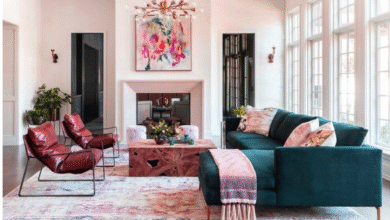
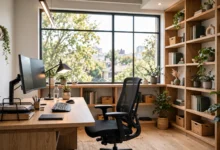
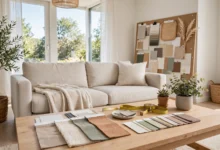
Blending design styles successfully depends heavily on color discipline. Even wildly different furniture styles can feel cohesive when they share a consistent color thread running through the room.
- Limit your overall palette to three to five colors across the space
- Repeat those colors across multiple pieces, even if the furniture styles themselves vary widely
- Use color, not style, as the unifying thread that ties a mid-century chair to a traditional side table
Repeating colors across pieces is one of the simplest, most effective ways to make an eclectic mix of furniture read as a considered, cohesive collection rather than a random assortment.
4. Let Accessories and Art Bridge the Gap
Furniture sets the foundation, but accessories and art are often what actually connect different styles together. They’re lower-risk, lower-cost ways to experiment with contrast without committing to a full style overhaul.
- Introduce a trendy or unexpected accent piece, such as a bold chair or a modern sculptural object, against a more classic backdrop
- Use art with colors that echo elements found elsewhere in the room to visually tie the space together
- Rotate accessories more freely than furniture, since they’re the easiest element to update as your taste evolves
5. Repeat Elements Across the Room, Not Just Within One Area
A common mistake when mixing styles is clustering everything from one aesthetic in a single corner of a room. This throws the balance off and makes the mix feel disorganized rather than intentional.
- Distribute pieces from each style evenly throughout the space rather than grouping them together
- If a single item feels out of place, repeat one of its colors or materials elsewhere in the room to help it blend in
- Aim for a “different but the same” approach, where varied pieces share just enough in common to feel like they belong together
6. Repeat Mixed Elements Across Multiple Rooms
Cohesion doesn’t stop at a single room’s doorway. Repeating a mix of styles consistently throughout the whole home, rather than assigning one style per room, creates a more connected, intentional feel from room to room.
- Carry a similar blend of styles into adjoining spaces rather than switching completely between rooms
- Repeat specific materials, such as a wood tone or metal finish, across multiple rooms to reinforce the connection
- Use a consistent overall color palette throughout the home, even as individual rooms take on slightly different character
7. Balance Contrast With Restraint
Blending styles works best when contrast is deliberate rather than constant. A room where every single piece competes for attention quickly becomes exhausting rather than interesting.
- Choose one or two standout pieces per room to carry the contrast, rather than filling the space with competing statements
- Let simpler, quieter pieces support the standout items instead of competing with them
- Edit ruthlessly; if a room feels chaotic, it’s often because there are too many competing focal points rather than too few
8. Use Furniture Updates to Bridge Eras
Sometimes a piece of furniture is the right shape and scale for a room but the wrong finish or fabric for the overall style direction. A small update can often solve this without needing to replace the piece entirely.
- Reupholster a vintage or antique chair in a more contemporary fabric to modernize its feel
- Refinish or paint older furniture to better match the room’s current color palette
- Swap outdated hardware on vintage case goods for simpler, more current finishes
This is a particularly useful strategy for blending inherited or sentimental furniture into a home with an otherwise different overall style.
9. Communicate and Compromise When Blending Two People’s Styles
When blending styles in your home involves merging two people’s tastes, whether a partner, roommate, or family member, the process becomes as much about communication as it is about design decisions.
- Start by clearly defining each person’s style preferences instead of guessing at them
- Identify where your tastes already overlap and build outward from that common ground
- Make major decisions together rather than one person unilaterally choosing, even if one of you takes the lead on execution
- Remember that the goal isn’t a perfectly matched showroom look; it’s a space that reflects both people honestly
Design outlets that cover shared-space decorating often note that the strongest results come from intentional compromise rather than either person dominating the decisions, and that the process itself can strengthen a relationship when handled with patience.
10. Trust Your Eye Over Strict Design Rules
Perhaps the most important tip from experienced designers is to treat style guidelines as a starting point, not a rulebook. Some of the most memorable, well-loved homes don’t perfectly fit into any single design category.
- If a design “rule” doesn’t feel right for your space, it’s fine to break it
- Prioritize how a room feels to actually live in over how closely it matches a specific aesthetic label
- Give yourself permission to edit and adjust as you go, since even professionally designed spaces evolve over time
The American Society of Interior Designers offers resources on design principles and professional best practices that can help ground your instincts if you want a more structured framework to work from. For additional guidance on maintaining flow across a home while mixing elements, the Houzz guide to creating cohesion offers further practical detail on repetition and color as unifying tools.
Common Mistakes When Mixing Styles
Even with good intentions, a few habits tend to undermine a blended design:
- Splitting a room evenly between two styles, which reads as indecisive rather than intentional
- Overloading a single area with one style, throwing off the room’s overall balance
- Ignoring color as a unifying thread, relying on style alone to create cohesion
- Chasing every trend as a foundational piece, rather than introducing trends through smaller, lower-commitment accents
- Failing to edit, letting a room become cluttered with too many competing statement pieces
Frequently Asked Questions
Can I mix more than two design styles in one room? Yes, though it becomes harder to manage as you add more. Most designers recommend keeping one dominant style with one, or at most two, supporting styles layered in to avoid visual confusion.
What’s the easiest way to start blending styles if I’m not confident doing it myself? Start small. Introduce one new style through accessories, art, or a single furniture piece before committing to larger changes, and build from there once you see what feels right.
Do blended-style homes go out of date faster than single-style homes? Not necessarily. Because blended homes rely on personal choices rather than following one trend-driven aesthetic, they often age better than spaces built entirely around a single, moment-specific style.
Conclusion
Blending styles in your home comes down to a handful of consistent principles: choose one dominant aesthetic with a supporting style layered in, build from a neutral foundation, and use a tight, repeated color palette to tie everything together. Distributing mixed elements evenly throughout a room and across the whole home, using accessories and art as connective tissue, and knowing when to update or repurpose a piece rather than replace it all contribute to a space that feels curated rather than accidental. Whether you’re merging your own varied tastes or blending two people’s preferences into one shared home, the goal isn’t a picture-perfect match to any single style label; it’s a space that feels genuinely, intentionally yours.
Keywords