Roofing & Gutter Tips for Homeowners in New South Wales
: Roofing and gutter tips for homeowners in New South Wales, covering storms, bushfire zones, and coastal weather to protect your home.
Roofing & Gutter Tips for Homeowners in New South Wales
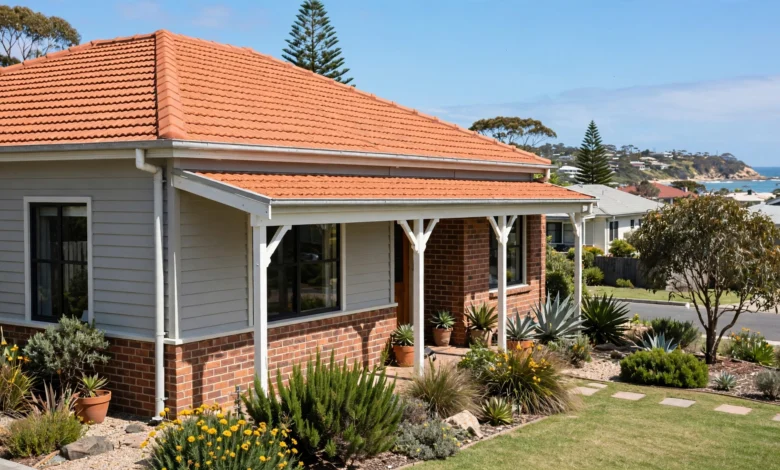
Roofing and gutter tips for homeowners in New South Wales need to account for one of the more demanding climates in Australia. Between severe summer storms, hail events along the east coast, bushfire risk in regional and semi-rural areas, and the salty, corrosive air along the coastline, NSW homes deal with a wider mix of roofing challenges than most other states. A roof that performs beautifully in Sydney’s coastal humidity might not hold up the same way out in the bushfire-prone areas around the Blue Mountains or the Northern Rivers.
What makes NSW particularly tricky is how much the risks change from region to region. Coastal homes deal with salt corrosion and cyclonic-strength storms rolling in from the Tasman Sea. Regional and bushland properties need roofing that meets strict ember and fire resistance standards. And pretty much everywhere across the state, homeowners need gutters that can handle sudden, heavy downpours without overflowing or pulling away from the roofline.
The good news is that most roofing and gutter failures in NSW homes come down to a handful of preventable issues: poor maintenance, materials that don’t suit the local climate, or gutter systems that simply weren’t designed for the volume of water they’re now expected to handle. In this guide, we’ll go through practical, region-aware tips for maintaining and upgrading your roof and gutters, what NSW-specific regulations to be aware of, and how to prepare your home before storm season hits. Whether you’re on the coast, in the suburbs, or out in a bushfire zone, there’s something here worth checking on your own property.
Understanding NSW’s Roofing Challenges by Region
Before getting into specific maintenance tips, it helps to understand what’s actually driving roof and gutter wear across different parts of New South Wales, since the right approach really does depend on where your home sits.
- Coastal areas (Sydney, Newcastle, Wollongong): Salt-laden air accelerates corrosion on metal roofing and gutters, and storm systems from the Tasman Sea bring heavy wind-driven rain
- Greater Sydney and inland suburbs: Severe summer thunderstorms and hail events are common, particularly between October and March
- Bushfire-prone regions (Blue Mountains, Northern Rivers, Southern Highlands): Ember attack and radiant heat resistance are major considerations under NSW building codes
- Regional and rural NSW: Wider temperature swings and less frequent access to roofing contractors can mean small issues go unnoticed longer
Because of this variation, gutter and roofing maintenance in NSW isn’t a one-size-fits-all task. What matters most for a Bondi beachfront property is different from what matters most for a home near Katoomba.
Essential Roofing Tips for NSW Homeowners
1. Inspect Your Roof Before and After Storm Season
NSW’s storm season, generally running from October through March, brings the state’s most damaging weather events, including hailstorms and severe wind. Inspecting your roof before the season begins helps catch loose tiles, cracked shingles, or weakened flashing before a major storm turns a small issue into a serious one. A follow-up inspection after storm season, or after any significant weather event, helps catch damage that might not be obvious from the ground.
Look for:


- Cracked, lifted, or missing roof tiles or shingles
- Dented areas on metal roofing from hail impact
- Damaged or lifted flashing around chimneys, vents, and skylights
- Debris or branches that may have fallen onto the roof
2. Choose Corrosion-Resistant Materials for Coastal Properties
If your home is within a few kilometres of the coast, salt spray is a real and ongoing threat to standard roofing materials, particularly untreated metal. Over time, salt exposure accelerates rust and weakens fasteners, hinges, and gutter joints.
For coastal NSW properties, consider:
- Colorbond steel with marine-grade coatings, designed specifically to resist coastal corrosion
- Stainless steel fixings and fasteners, rather than standard galvanised options
- Regular rinsing of roofing and gutters with fresh water to reduce salt buildup, particularly after storms
3. Understand Bushfire Construction Requirements
If your property is in a designated bushfire-prone area, your roofing material and design need to comply with AS 3959, the Australian Standard for construction in bushfire-prone areas. This affects everything from the type of roofing material used to how gutters and gaps around the roofline are sealed against ember entry.
The NSW Rural Fire Service provides detailed guidance on bushfire construction requirements, including roofing and gutter protection measures like ember guards, which are strongly recommended, and in many bushfire-prone areas, legally required for new builds and major renovations.
Key considerations for bushfire zones include:
- Non-combustible roofing materials, such as metal or tile
- Sealed roof spaces to prevent ember entry through gaps
- Metal gutter guards or leaf guards to stop debris accumulation, which can ignite from embers
- Enclosed eaves rather than open, exposed roof framing
4. Check Roof Ventilation Given NSW’s Humidity
Much of coastal and northern NSW experiences high humidity for large parts of the year, which can lead to moisture buildup in poorly ventilated roof spaces. Over time, this contributes to mould, timber rot, and reduced insulation effectiveness. Make sure roof vents are clear and functioning, and consider whirlybird or mechanical ventilation if your roof space regularly feels warm and stuffy during summer.
5. Watch for Common Tile Roofing Issues
Terracotta and concrete tile roofs are common across much of NSW, particularly in older Sydney suburbs. While durable, tile roofs need specific attention:
- Cracked or slipped tiles should be replaced promptly, since gaps allow water intrusion
- Repointing or re-bedding may be needed every 15 to 20 years as mortar deteriorates
- Moss and lichen growth, common in shaded or humid areas, should be treated carefully to avoid damaging the tile surface
Essential Gutter Tips for NSW Homeowners
6. Clean Gutters Regularly, Especially Before Storm Season
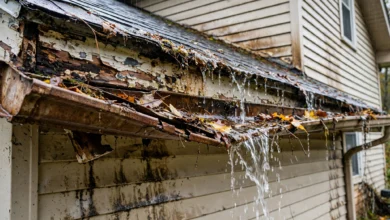
Clogged gutters are one of the most common causes of water damage in NSW homes, particularly in leafy suburbs with established gardens and overhanging trees. Given how intense and sudden NSW rainfall can be, especially during summer thunderstorms, gutters need to be completely clear before the wet season hits.
- Clean gutters at least twice a year, with an additional check before storm season
- Clear downpipes as well as the gutter channel itself, since blockages often sit lower in the system
- Check that gutters slope correctly toward downpipes, particularly after any recent roofing work
7. Install Gutter Guards to Reduce Maintenance and Bushfire Risk
Gutter guards serve a dual purpose for many NSW homeowners. They reduce how often gutters need to be cleared of leaves and debris, and in bushfire-prone areas, metal gutter guards specifically help prevent embers from igniting dry leaf litter trapped in the gutter system, which is one of the more common ways bushfires spread to homes during ember attack.
When choosing gutter guards in NSW, look for:
- Metal mesh guards rather than plastic in bushfire-prone areas, since plastic can melt or ignite
- Fine enough mesh to keep out debris without restricting water flow during heavy rain
- Compliance with local council and bushfire authority requirements if you’re in a designated zone
8. Check for Proper Drainage Away From the Home
Given how heavy NSW storms can be, particularly the intense short-duration downpours common in Sydney and along the coast, downpipes need to direct water well away from your home’s foundation. Pooling water near the base of a home can lead to damp issues, and in older homes with sandstone or clay-based foundations common in parts of Sydney, prolonged moisture exposure can contribute to structural movement over time.
- Ensure downpipes extend water at least one to two metres from the foundation
- Check that stormwater drainage connects properly to council systems where required
- Look for pooling or erosion near downpipe outlets after heavy rain
9. Prepare Your Roof and Gutters for Severe Weather Events
NSW experiences a mix of severe weather risks depending on the season and region, including east coast lows, hailstorms, and occasional ex-tropical cyclone remnants affecting the northern parts of the state. The NSW State Emergency Service recommends homeowners prepare their property ahead of storm season by securing loose roofing materials, clearing gutters, and trimming back overhanging branches that could cause damage during high winds.
A basic pre-storm season checklist:
- Clear gutters and downpipes completely
- Secure or repair loose roofing tiles, sheets, or flashing
- Trim back tree branches near the roofline
- Check that gutter guards and brackets are firmly secured
- Photograph your roof’s condition for insurance purposes before storm season begins
Insurance Considerations for NSW Homeowners
Given how often severe weather affects roofing and gutters across the state, it’s worth understanding how your home insurance policy treats storm and hail damage versus general wear and tear. Most standard policies cover sudden storm or hail damage, but gradual deterioration from lack of maintenance is typically excluded. Keeping records of regular roof and gutter maintenance, along with photos taken before and after major storms, can make a real difference if you ever need to lodge a claim.
Choosing the Right Roofing and Gutter Materials by NSW Region
Because conditions vary so much across the state, it helps to match your material choices to your specific location:
- Sydney and coastal suburbs: Colorbond steel with marine-grade coatings, or well-maintained tile roofing with corrosion-resistant fixings
- Bushfire-prone regional areas: Non-combustible metal roofing, sealed roof spaces, and metal gutter guards compliant with AS 3959
- Inland and western NSW: Materials that handle wide temperature swings well, such as quality metal roofing or reinforced concrete tile
- Northern Rivers and subtropical areas: Roofing and guttering rated for heavy rainfall volume, with oversized downpipes where possible
Conclusion
Roofing and gutter maintenance for homeowners across New South Wales isn’t just about routine upkeep, it’s about matching your materials and maintenance schedule to the specific risks your region faces, whether that’s coastal salt corrosion, bushfire ember attack, or the sudden, heavy storms that regularly roll through the state during summer. Regular inspections before and after storm season, choosing corrosion-resistant or bushfire-compliant materials where relevant, and keeping gutters clear and properly draining are the fundamentals that protect a home year-round. Taking the time to understand your specific region’s risks, and addressing small issues before they grow, is what keeps a NSW roof and gutter system performing well through everything the state’s weather can bring.