Roofing & Gutter Maintenance Guide for Homes in London
Roofing and gutter maintenance for London homes: seasonal checks, common problems, and costs to keep your property protected year-round.
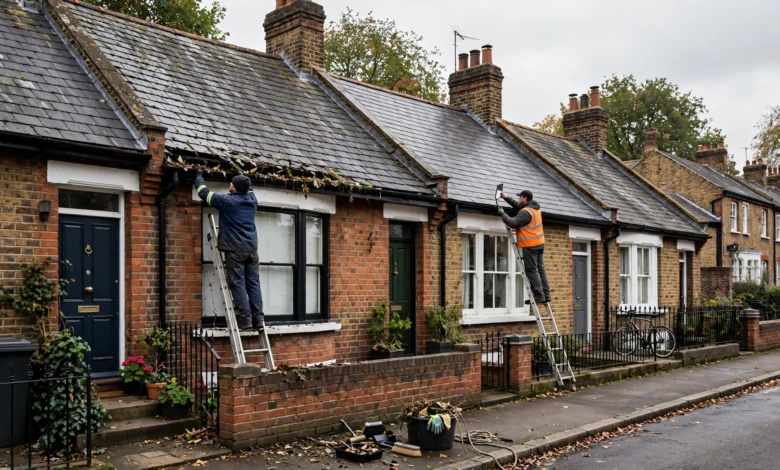
Roofing and Gutter Maintenance Guide for London Homes: 9 Essential Tips to Avoid Costly Damage
Roofing and gutter maintenance is one of those jobs that Londoners tend to ignore until water is dripping through a ceiling or a gutter has pulled away from the fascia board. Given how much rain the city sees in an average year, that is a risky habit. London’s mix of Victorian terraces, Edwardian semis, and newer builds each come with their own roofing quirks, and the near-constant damp weather means small issues rarely stay small for long.
This guide covers what actually matters when it comes to roofing and gutter maintenance in London: what to check, how often, what typical problems look like on London’s housing stock, and roughly what repairs cost in the capital. We will go through seasonal maintenance routines, the most common culprits behind leaks and blockages, and when a DIY inspection is fine versus when it is genuinely worth calling a professional. Whether you own a period property in Islington or a 1990s semi out in Bromley, the fundamentals of keeping your roof and gutters in good shape are largely the same, though the details shift depending on your roof type and age.
By the end of this guide, you should have a clear, practical checklist you can actually use, rather than vague advice that does not account for London’s particular mix of weather, housing stock, and local regulations around things like conservation areas and listed buildings.
Why Roofing and Gutter Maintenance Matters More in London
London’s climate is not extreme in the way some parts of the UK are, but it is persistently wet. The city sees rain on roughly 109 to 130 days a year depending on the borough, and that steady moisture is exactly the kind of condition that exposes weak points in roofing and guttering systems over time. According to the Met Office, London’s average annual rainfall sits around 600mm, spread fairly evenly across the year rather than concentrated in a single wet season (Met Office UK climate data).
A few London-specific factors make regular roof and gutter maintenance especially important:
- Older housing stock – a huge share of London homes were built before 1930, meaning original slate roofs, cast iron guttering, and aging brickwork that need more careful, regular attention than modern materials.
- Terraced and semi-detached layouts – shared party walls and tight roof lines mean water damage or blocked gutters can affect neighbouring properties, not just your own.
- Urban tree cover – London’s leafy streets look lovely but drop a steady stream of leaves and debris into gutters, particularly in autumn.
- Conservation areas and listed buildings – large parts of London fall under planning restrictions that affect what materials and repair methods are allowed, which can complicate straightforward fixes.
Ignoring gutter maintenance in particular is one of the most common ways London homeowners end up with damp problems, since blocked gutters overflow directly against brickwork and window frames rather than draining away as intended.
Understanding Your Roof Type
Before setting a maintenance routine, it helps to know what kind of roof you actually have, since London properties vary widely.


Slate Roofs
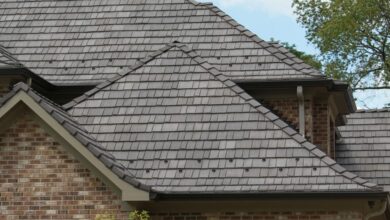
Common on Victorian and Edwardian terraces across boroughs like Camden, Hackney, and Lambeth. Natural slate is durable, often lasting 80 to 100 years, but individual slates can slip or crack over time, especially after storms. Look for missing or displaced slates after high winds.
Clay and Concrete Tile Roofs
Found on many interwar and post-war semis across outer London. Clay tiles handle London’s damp climate well but can crack under frost, while concrete tiles are more affordable and slightly more resistant to impact damage.
Flat Roofs
Extremely common on London extensions, garages, and some purpose-built flats. Flat roofs, whether felt, GRP fibreglass, or newer EPDM rubber, require more frequent inspection since ponding water is a leading cause of leaks.
Pitched Felt or Shingle Roofs
Less traditional but increasingly used on newer developments and loft conversions. These require standard seasonal checks similar to slate and tile roofs, with particular attention to flashing around chimneys and dormer windows.
Seasonal Roofing and Gutter Maintenance Checklist
Setting up a seasonal routine is the single most effective way to stay ahead of expensive repairs. Here is a practical breakdown for London homeowners.
Spring
- Inspect the roof after winter storms for slipped or cracked tiles and slates.
- Check flashing around chimneys, skylights, and roof junctions for gaps or rust.
- Clear gutters of any debris that built up over winter.
- Look for moss growth, which thrives in London’s damp shaded spots and can trap moisture against roofing materials.
Summer
- Trim back overhanging tree branches that drop debris into gutters or scrape against roofing material.
- Check loft insulation and ventilation, since summer is a good time to spot early signs of damp before the wet season returns.
- Inspect roof felt or membrane on flat roofs for UV damage or cracking.
Autumn
- Clear gutters thoroughly and repeatedly, since this is peak leaf-fall season across London’s tree-lined streets.
- Check downpipes for blockages caused by leaf buildup.
- Inspect seals around roof windows before the wettest months set in.
Winter
- Check for ice damming on flat or low-pitch roofs during cold snaps.
- Look inside the loft after heavy rain or snow for signs of water ingress.
- Clear gutters again if late-falling leaves or storm debris have built up.
Common Roofing Problems in London Homes
Certain issues come up again and again across London’s housing stock, and recognising them early can save a significant amount in repair costs.
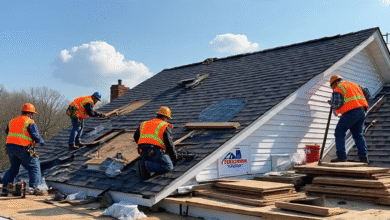
- Slipped or missing slates and tiles – usually caused by wind, age, or failed fixing nails, and one of the most common reasons for leaks in period properties.
- Cracked or perished flashing – lead or felt flashing around chimneys and roof joints degrades over time and is a frequent source of hidden leaks.
- Moss and algae buildup – common on north-facing or shaded roof sections in London’s damp climate, and it can lift tiles or slates if left unaddressed.
- Blocked or sagging gutters – often caused by leaf debris, poor original installation, or gutters that were never properly pitched to drain correctly.
- Damp patches in lofts or ceilings – frequently traced back to a roofing or gutter maintenance issue rather than a structural problem, though it is worth ruling out both.
If you notice any of these signs, it is generally worth getting a qualified roofer to inspect the issue before it worsens, particularly given how quickly London’s wet weather can turn a small leak into a larger repair.
Gutter Maintenance Essentials
Gutters do a lot of unglamorous but essential work, and London’s mix of rain and street trees makes gutter maintenance a genuinely high-priority task rather than an occasional chore.
How Often to Clean Gutters
Most London homes benefit from having gutters cleared at least twice a year, typically in spring and autumn. Properties with significant tree cover nearby may need a third clean in early winter to catch late leaf fall.
Signs Your Gutters Need Attention
- Water overflowing during or after rain rather than draining through the downpipe.
- Visible plant growth or moss inside the gutter channel.
- Sagging sections or gutters pulling away from the fascia board.
- Water stains or damp patches on exterior brickwork below the gutter line.
Cast Iron vs UPVC Guttering
Many older London properties still have original cast iron guttering, which is durable and often required in conservation areas but needs periodic repainting to prevent rust. Newer UPVC guttering is lighter, cheaper, and largely maintenance-free aside from regular cleaning, though it is not always permitted on listed buildings.
Roofing and Gutter Costs in London
Costs vary by borough, property type, and access difficulty, but here is a general guide to what London homeowners typically pay:
- Gutter cleaning: roughly £60 to £150 depending on property size and access.
- Minor roof repairs (slipped tiles, small leaks): £150 to £400.
- Gutter repair or partial replacement: £200 to £600.
- Full gutter replacement: £800 to £2,000 depending on length and material.
- Full roof re-covering: £5,000 to £15,000+ depending on roof size, material, and property type.
Prices in central London boroughs tend to run higher than outer London due to access restrictions, scaffolding costs, and higher labour rates generally.
When to Call a Professional vs DIY
Some roofing and gutter maintenance tasks are reasonably safe to handle yourself, while others genuinely require a professional, both for safety and for quality of work.
Reasonably safe for DIY (with proper safety equipment):
- Ground-level visual inspections using binoculars.
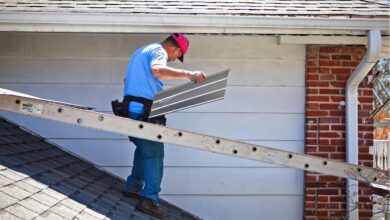
- Clearing debris from ground-floor extension or garage gutters with a stable ladder.
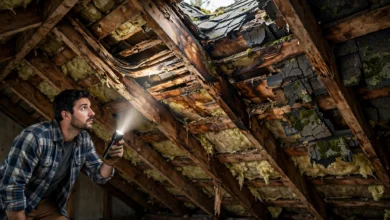
- Checking loft spaces for visible signs of damp after rain.
Best left to professionals:
- Any work involving working at height on a main roof, which carries genuine fall risk and is covered by specific safety guidance from the Health and Safety Executive (HSE working at height guidance).
- Slate or tile replacement, which requires matching materials and correct fixing technique.
- Flashing repairs, which need to be properly sealed to avoid recurring leaks.
- Any work on listed buildings or in conservation areas, which typically requires consent and specific materials.
Hiring a local roofer familiar with London’s housing stock and planning requirements is usually worth the cost, particularly for period properties where getting materials and methods right matters for both compliance and long-term durability.
Conclusion
Keeping on top of roofing and gutter maintenance in London comes down to understanding your specific roof type, following a consistent seasonal checklist, and catching small problems like slipped slates or blocked gutters before London’s persistent rain turns them into costly repairs. From cast iron guttering on Victorian terraces to flat roofs on modern extensions, the details differ across the city’s varied housing stock, but the core routine of regular inspection, timely gutter clearing, and prompt repairs stays the same. Building this maintenance habit into your spring and autumn routine, and knowing when a job genuinely needs a professional rather than a DIY fix, is the most reliable way to protect your home and avoid the kind of water damage that tends to get expensive fast.
Keywords: