How to Choose Between Metal and Shingle Roofing
Metal vs shingle roofing: compare cost, lifespan, durability, and style to find the right roof for your home and budget.
Metal vs Shingle Roofing: 7 Proven Ways to Choose the Best Option for Your Home
Metal vs shingle roofing is one of the biggest decisions a homeowner will make, and it’s not one to rush. A roof is usually the single most expensive exterior investment you’ll make in a house, and the material you pick affects everything from your monthly energy bill to how much you’ll spend on repairs over the next twenty years. If you’re standing at the crossroads between a sleek metal roof and a classic shingle roof, you’re probably wondering which one actually makes sense for your climate, your budget, and how long you plan to stay in your home.
Both options have loyal fans for good reason. Metal roofing has surged in popularity over the past decade because of its long lifespan and energy efficiency, while shingle roofing (specifically asphalt shingles) remains the most common choice in North America thanks to its lower upfront cost and easy installation. Neither one is universally “better.” The right choice depends on how long you want the roof to last, what you’re willing to spend now versus later, and even what your neighborhood’s homeowners association will allow.
In this guide, we’ll break down the real differences between metal and shingle roofs, covering cost, durability, lifespan, maintenance, energy efficiency, and resale value, so you can make a decision you won’t regret in five, ten, or thirty years.
What’s the Real Difference Between Metal and Shingle Roofing?
Before comparing costs and lifespans, it helps to understand what you’re actually choosing between.
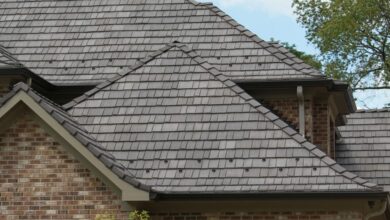
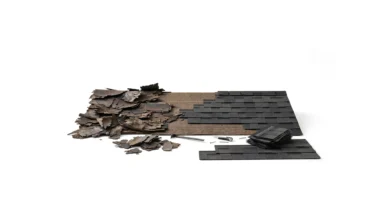
Shingle roofing typically refers to asphalt shingles, which are made from a fiberglass base coated in asphalt and topped with mineral granules. They’re manufactured in three main styles: three-tab, architectural (dimensional), and luxury shingles. Asphalt shingles have dominated the American roofing market for decades because they’re affordable, easy to install, and come in dozens of colors and textures.
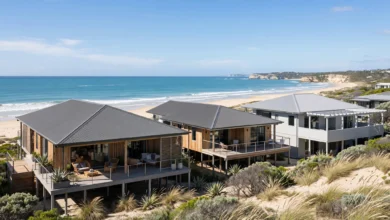
Metal roofing covers a wider range of products, including standing seam panels, corrugated metal, metal shingles, and stone-coated steel. Metal roofs are typically made from steel, aluminum, copper, or zinc, and they’re installed either as large interlocking panels or as smaller shingle-like pieces that mimic the look of slate, tile, or wood shake.
The core difference comes down to material science. Asphalt shingles are a petroleum-based product that wears down through sun exposure, temperature swings, and moisture. Metal panels are a solid, weather-resistant barrier that reflects heat and sheds water and snow far more effectively.
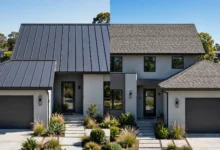
1. Compare the Upfront Cost of Metal vs Shingle Roofing
Cost is usually the first thing people ask about, and it’s where the two materials diverge the most sharply.
- Asphalt shingle roofs generally cost between $4.50 and $9 per square foot installed, depending on your region and the shingle grade you choose.
- Metal roofs typically run from $9 to $25 per square foot installed, with standing seam and copper roofing on the higher end.
For an average 2,000-square-foot roof, that translates to roughly $9,000–$18,000 for asphalt shingles versus $18,000–$50,000 for metal. That’s a significant gap, and it’s the main reason so many homeowners default to shingles when budget is tight.
That said, upfront cost only tells part of the story. Because metal roofing lasts two to three times longer than shingles, the cost per year of ownership often narrows considerably, sometimes even favoring metal once you factor in fewer repairs and replacements.
Financing and Installation Considerations
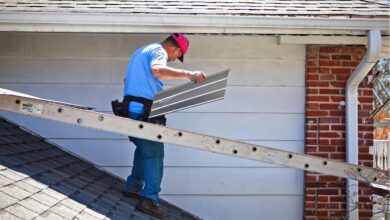
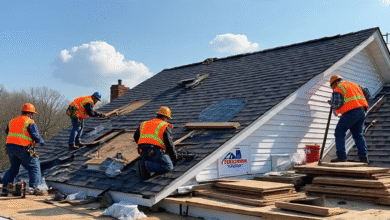
Metal roofing installation requires specialized tools and experienced crews, which is part of why labor costs run higher. Not every roofing contractor is trained to install standing seam panels correctly, so you may need to search a bit harder for a qualified installer in your area. Shingle installation, by contrast, is widely available since most residential roofers handle asphalt shingles as their bread and butter.
2. Weigh Lifespan and Long-Term Durability
This is where metal roofing really separates itself from the pack.
- Asphalt shingles last around 15 to 30 years, depending on the quality of the shingle and how well the roof is ventilated and maintained.
- Metal roofs last 40 to 70 years, with some standing seam steel and copper roofs lasting even longer with minimal upkeep.
Metal’s durability comes from its resistance to the elements that typically destroy shingles: UV degradation, moisture absorption, and granule loss. A quality metal roof can also withstand:
- Hail impacts up to a certain size (check your product’s impact rating)
- Wind speeds up to 140 mph or more, depending on the installation
- Heavy snow loads, since snow slides off metal more easily than it does off shingles
- Fire, since most metal roofing carries a Class A fire rating
Shingles aren’t fragile by any means, and modern architectural shingles hold up well against wind and hail when installed correctly. But if you’re in a region prone to wildfires, hurricanes, or heavy snowfall, metal roofing’s durability advantage becomes a much bigger factor in the decision.
3. Think About Maintenance and Repairs
Neither roof type is maintenance-free, but the type of upkeep required is different.
Shingle roof maintenance typically involves:
- Replacing missing or curling shingles after storms
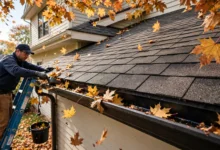
- Clearing moss, algae, or debris buildup
- Checking and resealing flashing around chimneys and vents
- Inspecting for granule loss, which signals aging shingles
Metal roof maintenance typically involves:
- Checking fasteners and seams for loosening over time (on panel systems with exposed screws)
- Repainting or recoating every 20–30 years to maintain the finish
- Removing debris that could trap moisture against the surface
- Watching for minor scratches or dents from falling branches
One thing worth noting: metal roofs are quieter than most people expect once properly installed with solid decking and insulation underneath. The “loud in the rain” reputation mostly applies to older or poorly installed metal roofing systems, not modern residential installations.
4. Compare Energy Efficiency and Climate Performance
If your energy bill is a concern, this category matters more than most homeowners realize.
Metal roofing reflects solar radiant heat rather than absorbing it, which can reduce cooling costs by 10–25% in hot climates. Many metal roofing products also qualify for ENERGY STAR certification, and some regions offer rebates for reflective roofing. According to the U.S. Department of Energy, cool roofing materials like reflective metal can lower roof surface temperatures by up to 50 degrees Fahrenheit compared to dark, traditional roofing.
Asphalt shingles, especially darker colors, absorb heat and can raise attic temperatures, which increases air conditioning use in summer. Lighter-colored or “cool roof” rated shingles help narrow this gap, but they still don’t match metal’s reflective performance.
In colder climates, this dynamic flips slightly. Metal roofs shed snow quickly, which reduces ice dam risk, but that same snow-shedding can be a hazard near walkways if snow guards aren’t installed. Shingles hold onto snow longer, which some homeowners in snowy regions actually prefer for insulation and safety reasons.
Climate-Specific Guidance
- Hot, sunny climates (Southwest, Southeast): Metal roofing generally performs better for cooling costs and heat resistance.
- Cold, snowy climates (Northeast, Midwest, Mountain regions): Both work, but metal needs snow guards; shingles need good attic ventilation to prevent ice dams.
- Coastal or hurricane-prone areas: Metal roofing’s wind resistance is a major advantage, though aluminum or coated steel resists salt corrosion better than plain steel.
- Wildfire-prone areas: Metal’s Class A fire rating gives it a clear edge over standard shingles.
5. Consider Style, Curb Appeal, and Home Value
Roofing isn’t purely functional. It’s one of the most visible parts of your home, and it affects resale value.
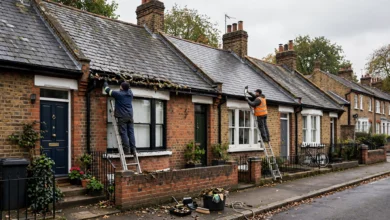
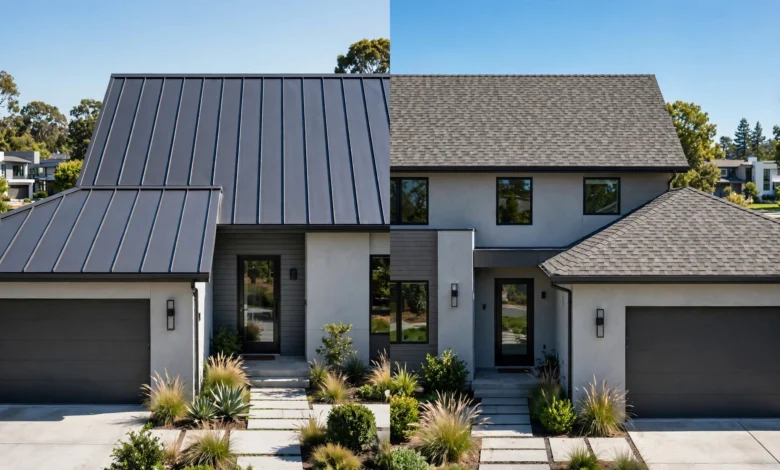
Shingle roofing offers a traditional, familiar look that fits almost any architectural style, from colonial to craftsman to ranch. With dozens of colors and three tiers of shingle quality, it’s easy to match a shingle roof to your home’s existing aesthetic without looking out of place in the neighborhood.
Metal roofing has shed its old “barn roof” reputation and now comes in styles that mimic slate, wood shake, and clay tile, in addition to the popular standing seam look. It reads as more modern or upscale, which appeals to buyers looking for a low-maintenance, long-lasting home feature.
According to Remodeling Magazine’s Cost vs. Value Report, metal roof replacements consistently recoup a strong percentage of their cost at resale, often outperforming asphalt shingle replacements in return on investment, largely because buyers view metal roofing as a long-term investment rather than a maintenance item they’ll need to budget for again soon.
If you’re planning to sell within the next five years, this is worth discussing with a local real estate agent, since buyer expectations vary by region. In some markets, metal roofing is still seen as unconventional; in others, it’s considered a premium upgrade.
6. Factor In Installation Time and Contractor Availability
Shingle roofs are typically faster to install, usually one to three days for an average home, since the process is standardized and most roofing crews handle it regularly. Metal roofing installation can take anywhere from three days to two weeks, depending on the complexity of the roof and the type of metal system chosen.
Availability of qualified installers also matters. Standing seam metal roofing, in particular, requires precise seaming techniques that not every roofer is trained in. Before committing to metal, it’s worth asking contractors directly about their specific experience with the metal system you’re considering, and asking for references from similar past projects.
7. Match the Roof to Your Timeline and Budget Reality
At the end of the day, the metal vs shingle roofing decision usually comes down to answering three honest questions:
- How long do you plan to stay in this home? If it’s under 10 years, shingles may offer better value since you likely won’t need a full replacement before you sell. If you’re building your forever home, metal’s longevity can pay off.
- What can you afford right now? If your budget is tight and the roof needs immediate replacement, shingles get the job done reliably without financial strain.
- What does your climate demand? Wildfire zones, hurricane corridors, and heavy snow regions often justify metal’s higher cost through better protection and fewer weather-related repairs.
There’s no universally “correct” answer here. A well-installed asphalt shingle roof from a reputable brand will protect your home reliably for decades. A metal roof is a bigger investment that pays for itself through longevity and efficiency, but it’s not the right fit for every budget or every home.
Quick Comparison Summary
| Factor | Shingle Roofing | Metal Roofing |
|---|---|---|
| Average lifespan | 15–30 years | 40–70 years |
| Upfront cost per sq ft | $4.50–$9 | $9–$25 |
| Energy efficiency | Moderate | High (reflective) |
| Fire resistance | Standard | Class A (most products) |
| Maintenance | Moderate, ongoing | Low, occasional |
| Resale appeal | Familiar, dependable | Premium, modern |
Conclusion
Choosing between metal and shingle roofing isn’t about finding the objectively superior material. It’s about matching the roof to your specific budget, climate, and how long you plan to own the home. Shingle roofing remains a smart, affordable choice for homeowners who want reliable protection without a huge upfront investment, while metal roofing rewards those willing to pay more now in exchange for decades of durability, energy savings, and lower long-term maintenance. Whichever direction you lean, get quotes from a few licensed, experienced roofing contractors, ask about warranties, and make sure the installer has real experience with the specific material and system you choose. That one step matters more for long-term performance than almost anything else on this list.