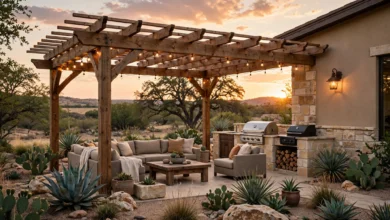
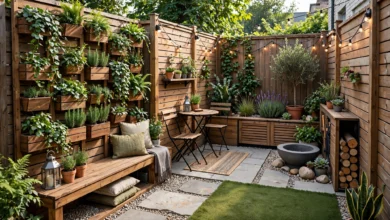
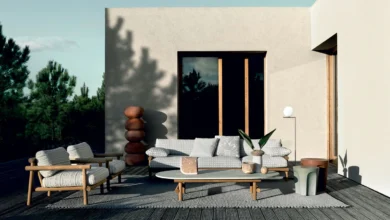
10 Outdoor Furniture Ideas That Survive Any Season
Outdoor furniture ideas that hold up through sun, rain, and cold, with materials and care tips to protect your investment year-round.
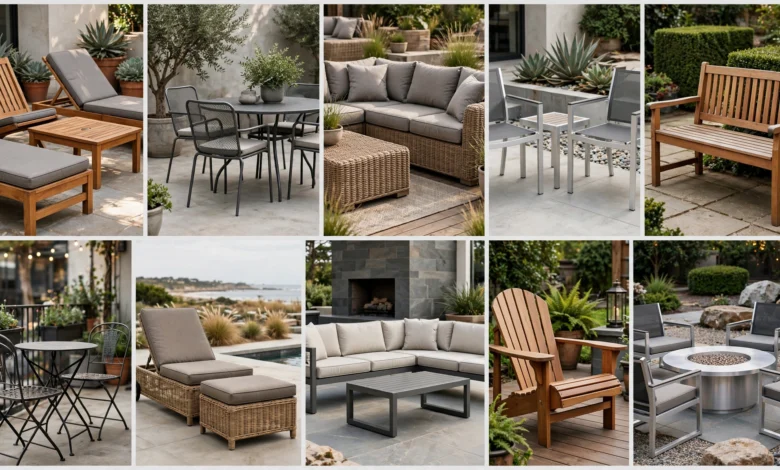
10 Outdoor Furniture Ideas That Survive Any Season
Introduction
Outdoor furniture ideas that survive any season are worth more than a nice-looking patio set that falls apart after one summer. Anyone who has bought a cheap outdoor sofa only to watch it fade, rust, or grow mildew within a year knows the frustration. The truth is, most furniture failures come down to picking the wrong material for the climate it has to live in, not bad luck.
Weather is unpredictable almost everywhere now. A patio set might face blazing sun one month and freezing rain the next, sometimes within the same week. That means durability can’t be an afterthought. It has to be part of the decision from the start, right alongside style and comfort.
This guide breaks down furniture materials, frame types, and cushion fabrics that genuinely hold up to sun, rain, humidity, and cold, along with care tips that stretch their lifespan even further. Whether you’re furnishing a small balcony or a full backyard patio, these ideas will help you build an outdoor space that looks good in July and still looks good in January, without needing to replace half of it every spring. Let’s get into what actually lasts.
Why Weather-Resistant Outdoor Furniture Matters
Buying furniture that isn’t built for the outdoors is one of the most common and costly backyard mistakes. Sun exposure breaks down cheap plastics and fades fabric dye. Rain and humidity cause rust on low-grade metal and rot on untreated wood. Freezing temperatures can crack materials that aren’t rated for cold. According to Consumer Reports, furniture material is one of the biggest factors in how long outdoor pieces actually last, often more important than price point alone.
Investing in the right weather-resistant outdoor furniture upfront usually costs less over time than replacing budget pieces every couple of seasons.
1. Teak Wood Furniture
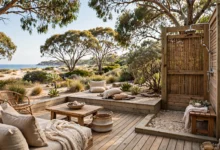
Teak has been a go-to choice for outdoor furniture for generations, and for good reason. It’s naturally rich in oils that resist water, rot, and insects without any chemical treatment.
- Ages to a soft silver-gray patina if left untreated, or can be oiled to keep its original honey tone
- Handles both intense sun and freezing winters without cracking
- Requires very little maintenance beyond an occasional clean
The main downside is cost, since high-quality teak sits at the premium end of outdoor furniture.
2. Powder-Coated Aluminum
Aluminum furniture, especially powder-coated aluminum, has become one of the most practical all-season options available.
- Naturally rust-resistant, unlike iron or uncoated steel
- Lightweight enough to move for cleaning or storage, but sturdy once assembled
- Powder coating adds a protective layer against chipping and fading
Aluminum frames pair well with woven or cushioned seating for a lightweight, low-maintenance setup that holds up in coastal or humid climates especially well.
3. High-Density Polyethylene (HDPE) Furniture
Often used for outdoor tables and Adirondack-style chairs, HDPE furniture is made from recycled plastic lumber that mimics the look of painted wood without the maintenance headaches.
- Won’t rot, splinter, warp, or attract insects
- Resistant to fading thanks to color that runs through the entire material, not just a surface coating
- Easy to clean with just soap and water
It’s a strong option for families who want furniture that can handle heavy daily use without babying.
4. Wrought Iron and Cast Aluminum
For a more traditional or formal look, wrought iron furniture offers serious durability and weight, which makes it resistant to wind and less likely to tip.
- Extremely sturdy and long-lasting when properly coated
- Requires occasional touch-up paint to prevent rust at scratches or chips
- Cast aluminum offers a similar aesthetic with less weight and better rust resistance
This style works particularly well for formal patios, entryways, or spaces where furniture stays in one place year-round.
5. All-Weather Wicker (Resin Wicker)
Don’t confuse all-weather wicker with natural wicker, which doesn’t hold up outdoors at all. All-weather or resin wicker is woven from synthetic fibers designed specifically to resist sun and moisture.
- UV-stabilized resin resists fading and cracking
- Frame underneath is typically aluminum, which resists rust
- Offers the classic wicker look without the maintenance of natural rattan
Look for tightly woven, thick-gauge resin strands, since thinner, cheaper versions tend to break down faster under heavy sun exposure.
6. Concrete and Stone Furniture
For a more permanent, architectural approach, concrete furniture pieces, like built-in benches or cast tables, are essentially immune to weather damage.
- Handles extreme heat, cold, rain, and wind without issue
- Adds a modern, sculptural look to patios and garden areas
- Very heavy, which makes it a semi-permanent addition rather than something you rearrange seasonally
This option works best for homeowners planning a long-term outdoor layout rather than a flexible, changeable space.
7. Marine-Grade Polymer Furniture
Originally developed for boat interiors and docks, marine-grade polymer furniture is built to handle constant moisture exposure, making it a smart pick for pool decks and coastal properties.
- Naturally resistant to saltwater, chlorine, and UV rays
- Doesn’t absorb moisture, so it won’t warp or mildew
- Typically low-maintenance and easy to hose off
8. Weather-Resistant Cushions and Fabrics
Frames matter, but cushions are often the first thing to fail on outdoor furniture. Look specifically for:
- Solution-dyed acrylic fabric, which resists fading far better than standard printed fabric
- Quick-dry foam inserts that let water drain instead of holding moisture and growing mold
- Removable, machine-washable covers for easier seasonal cleaning
Brands using performance fabrics rated for UV and moisture resistance will hold their color and shape significantly longer than standard indoor-style cushions repurposed for outdoor use.
9. Fire-Resistant and Heat-Tolerant Materials Near Fire Features
If your furniture sits near a fire pit or fireplace, material choice becomes even more important.
- Metal frames handle heat exposure better than plastic or resin pieces, which can warp if placed too close to a flame.
- Avoid synthetic fabrics directly adjacent to fire pits, since sparks can damage them.
- Stone or concrete side tables are a practical, heat-safe choice for anything placed within a few feet of an open flame.
10. Modular and Storable Furniture for Seasonal Flexibility
Not every solution is about materials alone. Modular outdoor furniture that can be reconfigured or partially stored during extreme weather adds another layer of protection.
- Choose pieces designed to stack or fold for easy off-season storage.
- Use furniture covers rated for UV and waterproof protection during storms or winter months.
- Consider a small storage bench or deck box to keep cushions dry between uses.
- Group modular sectional pieces so they can be rearranged for shade or shelter as needed.
This flexibility extends the life of nearly any material, even higher-end pieces, by reducing prolonged exposure during the harshest weather stretches.
How to Maintain Outdoor Furniture Through the Seasons
Even the most durable materials benefit from a bit of seasonal care:
- Clean furniture regularly with mild soap and water to prevent dirt buildup that traps moisture.
- Apply teak oil or sealant annually if you own wood furniture and want to maintain its original color.
- Store cushions indoors or in a weatherproof box during off-season months when possible.
- Check metal frames each spring for early signs of rust and treat them before they spread.
- Use breathable furniture covers rather than fully sealed plastic covers, which can trap condensation and encourage mold.
The Environmental Protection Agency offers general guidance on preventing mold and mildew growth in outdoor and enclosed spaces, which applies well to furniture storage in humid climates.
Conclusion
Furniture that survives every season comes down to choosing the right material for your climate and being realistic about how much maintenance you’re willing to do. Teak, aluminum, HDPE, and resin wicker all offer strong durability with relatively low upkeep, while cushions made from solution-dyed acrylic fabric make a bigger difference than most people expect. Add in a bit of seasonal care, like cleaning, covering, and checking for early wear, and even mid-range furniture can last for years. The goal isn’t to avoid weather altogether, since that’s impossible outdoors, but to choose pieces built to handle it without falling apart.