How to Create an Outdoor Dining Space That Gets Used
How to create an outdoor dining space that gets used all season, with layout, comfort, and shelter tips people actually stick with.
Introduction
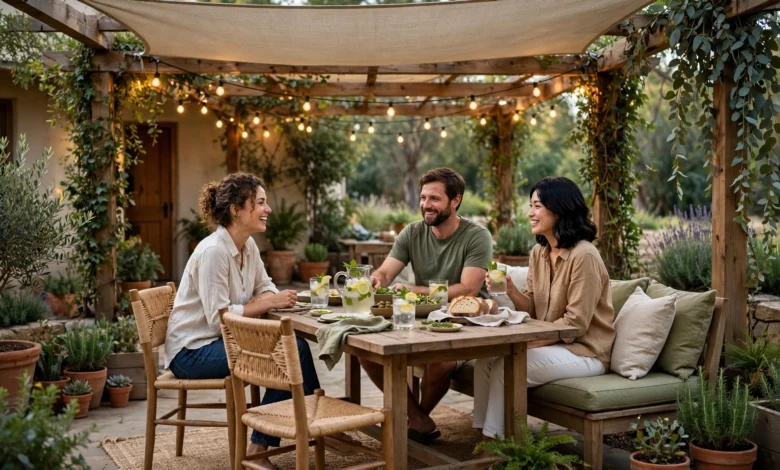
How to create an outdoor dining space that gets used is a different question than how to create one that just looks good in photos. Plenty of backyards have a beautiful table and chairs sitting untouched by August, gathering leaves and pollen instead of dinner guests. The gap between a pretty setup and one that actually earns its keep usually comes down to a handful of practical details that get skipped in the planning stage.
Comfort matters more than style. Shade and shelter matter more than the table itself. And location within the yard, close enough to the kitchen to be convenient, but private enough to feel like its own space, matters more than most people expect going in. Get those basics wrong, and even the nicest furniture ends up as background decoration instead of somewhere people want to eat.
This guide walks through what actually makes an outdoor dining area get used week after week, not just on the occasional summer holiday. From choosing the right location and table size to solving for weather, bugs, and lighting, these are the details that turn an outdoor dining space from an afterthought into the spot where half your meals end up happening. Let’s break it down step by step.
Why Most Outdoor Dining Spaces Sit Unused
Before getting into what works, it’s worth understanding what doesn’t. A few common issues explain why so many outdoor dining setups end up neglected:
- The table is too far from the kitchen, making it inconvenient to carry food and dishes back and forth.
- There’s no shade, so the space is only comfortable for a couple of hours a day.
- Bugs, particularly in humid climates, make evening meals unpleasant without any mitigation.
- The furniture is uncomfortable enough that people migrate indoors after the food is served.
- There’s no lighting, so the space becomes unusable the moment the sun goes down.
Fixing an outdoor dining space so it actually gets used usually means addressing most of these at once, not just picking a nice table.
1. Choose a Location That’s Actually Convenient
Distance from the kitchen is one of the most underrated factors in whether an outdoor dining area gets used regularly.
Keep It Close to the Kitchen Door
A dining space more than a short walk from the kitchen door tends to get skipped for everyday meals, even if it’s the perfect spot for occasional big gatherings. If your yard allows it, position the main dining area within easy reach of your back door or kitchen exit.
Balance Privacy and Visibility
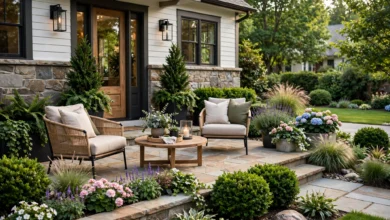
While convenience matters, a dining space that feels too exposed, directly visible to neighbors or the street, can feel less relaxing to use. A bit of screening, whether through fencing, tall planting, or a pergola structure, helps the space feel like a destination rather than just an extension of the driveway.
2. Size the Table and Seating to Match Real Use
A table that’s the wrong size for how you actually eat outside is one of the fastest ways to kill a dining space’s usability.
- For everyday family meals, a smaller table that seats 4 to 6 is often used far more consistently than a large table meant for entertaining.
- If you regularly host bigger groups, consider an expandable table that can grow for gatherings but stays a manageable size day to day.
- Leave at least 36 inches of clearance around the table for chairs to pull out comfortably and for people to walk past without squeezing.
3. Solve for Shade and Weather Protection
This is arguably the single biggest factor in whether an outdoor dining space becomes a daily habit or an occasional novelty.
Overhead Shade Options
- Pergolas with retractable canopies offer flexible coverage that can be adjusted based on sun intensity.
- Market umbrellas are a lower-cost option that still provide meaningful midday shade over a table.
- Covered patios or porch extensions offer the most reliable, permanent shelter from both sun and light rain.
Wind and Rain Considerations
If your dining area is in an exposed part of the yard, consider windbreaks like fencing, hedging, or privacy screens, which make outdoor meals far more pleasant on breezy days. According to the American Society of Landscape Architects, shade structures and outdoor kitchens remain among the most requested features in residential landscape design, largely because they directly increase how often outdoor spaces get used.
4. Prioritize Comfortable Seating
Chairs matter more than most people expect when designing a dining space meant for regular use, not just special occasions.
- Choose chairs with some cushioning or ergonomic shaping rather than flat, hard seats that discourage lingering over a meal.
- Match seating height properly to the table, since mismatched proportions make a space feel awkward even if the furniture itself is nice.
- If your climate allows it, add a mix of dining chairs and a nearby lounge area so people can transition from eating to relaxing without leaving the space entirely.
5. Deal With Bugs Before They Become a Problem
In humid or wooded areas, bugs can quietly kill an outdoor dining space’s usability, especially in the evening.
- Add a ceiling fan if the dining area is covered, since moving air makes it much harder for mosquitoes to land.
- Use citronella candles, torches, or plug-in repellent systems around the perimeter of the seating area.
- Consider screened porch or gazebo options if bug pressure is severe enough that open-air dining rarely feels comfortable.
- Address standing water nearby, since it’s one of the biggest mosquito breeding contributors in residential yards.
6. Add Lighting That Extends Usable Hours
An outdoor dining space that goes dark the moment the sun sets loses a huge chunk of its potential use, especially for weeknight dinners after work.
- String lights overhead add ambiance and enough general light for a relaxed dinner.
- Path lighting leading to the dining area makes the space feel intentional and easier to navigate after dark.
- A dimmable overhead fixture, if the space is covered, offers more functional light for setting the table or cleaning up after a meal.
- Avoid overly bright, harsh lighting, which tends to feel more like a work light than a dinner setting.
7. Bring the Kitchen Outside When You Can
Even a small addition of cooking or prep space nearby dramatically increases how often a dining area gets used for everyday meals, not just special occasions.
- A basic grill station placed near the dining table cuts down on trips back and forth to the kitchen.
- A small outdoor bar cart or sideboard gives a spot for plates, napkins, and drinks without needing to run inside repeatedly.
- If space and budget allow, a compact outdoor kitchen with a sink and mini fridge makes outdoor dining almost as convenient as eating inside.
Choosing Durable, Low-Maintenance Materials
An outdoor dining space only stays in regular rotation if it doesn’t require constant upkeep to stay usable.
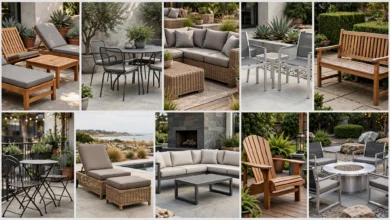
- Powder-coated aluminum or teak frames hold up well across seasons without heavy maintenance.
- Solution-dyed fabric cushions resist fading and moisture far better than standard indoor fabric.
- Glass or stone tabletops resist staining better than untreated wood, which needs regular sealing to avoid water damage.
The Environmental Protection Agency’s guidance on reducing outdoor moisture and mold buildup is a useful reference if your dining area sees frequent rain or high humidity, since damp cushions and mildew are common reasons people stop using an otherwise well-designed space.
Designing a Layout That Encourages Regular Use
Beyond individual elements, the overall layout plays a big role in whether a space feels inviting enough to use often.
- Keep a clear, direct path from the kitchen to the dining table, avoiding awkward detours around landscaping or furniture.
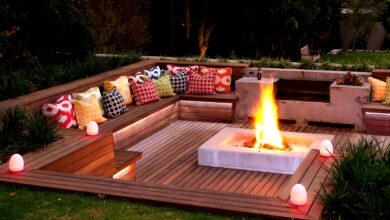
- Group the dining area near other outdoor amenities, like a fire pit or lounge seating, so the space naturally becomes a hub for the evening instead of just a stop for dinner.
- Leave enough open space around the table for people to move freely, since cramped layouts discourage lingering after a meal.
Conclusion
Creating an outdoor dining space that actually gets used comes down to solving practical problems, not just picking attractive furniture. Choose a convenient, appropriately sized layout close to the kitchen, add real shade and shelter from weather, and don’t underestimate how much comfortable seating, good lighting, and a plan for bugs matter to daily use. Bring a bit of the kitchen outside if you can, and choose materials that hold up without constant maintenance. Handle those details, and an outdoor dining space stops being a seasonal novelty and becomes the place where a good chunk of your meals naturally end up happening.