How to Create a Garden That Requires Minimal Upkeep
How to create a garden that requires minimal upkeep, covering plant choice, soil, irrigation, and layout for a low-maintenance yard.
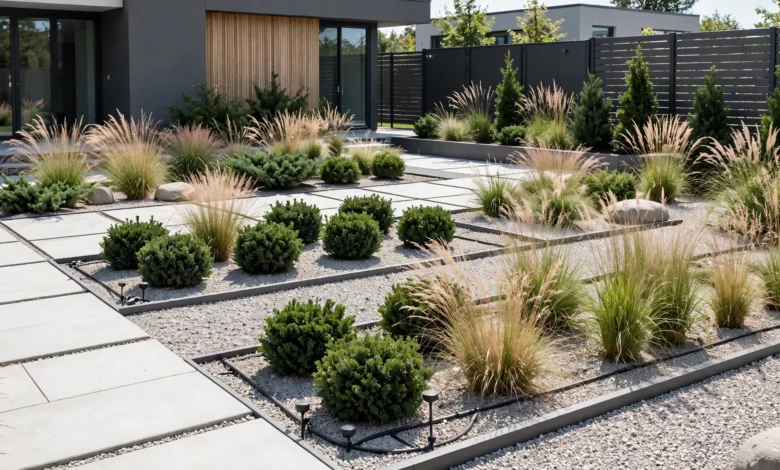
How to Create a Garden That Requires Minimal Upkeep: 9 Simple Strategies for an Effortless Garden
Most people don’t actually dislike gardening, they dislike spending every weekend on it. Between mowing, weeding, deadheading, and constant watering, a garden can quietly turn into a second job if it’s not designed with less effort in mind from the start. The good news is that how to create a garden that requires minimal upkeep isn’t some secret trick, it’s really just a handful of smart decisions made early, around plant choice, soil, layout, and irrigation, that pay off in far less work every single week after.
This isn’t about giving up on having a nice garden. Some of the lowest-maintenance gardens are also the most attractive, because they lean on structure, repetition, and plants that genuinely thrive without constant intervention, rather than a chaotic mix of high-need annuals that demand attention all season. A well-planned low-maintenance garden actually tends to look tidier than a high-maintenance one, simply because it’s not perpetually one missed weekend away from looking overgrown or patchy.
In this guide, we’ll go through the practical steps that actually reduce ongoing garden work: choosing the right plants, improving your soil once so you don’t have to keep fighting it, cutting down lawn area, setting up efficient watering, and using mulch and groundcovers to suppress weeds before they start. None of this requires a full landscaping budget. Most of it is about working smarter with the space you’ve already got, so your garden looks good with a fraction of the time you’re currently putting into it.
Why Low-Maintenance Doesn’t Mean Low-Effort Upfront
It’s worth setting expectations early: a genuinely low-maintenance garden usually takes a bit more planning at the start, not less. The payoff comes later, once the right plants are in the right soil with the right irrigation set up, and the ongoing work drops dramatically.
Skipping the planning stage is exactly how gardens end up high-maintenance in the first place. Buying whatever looks good at the garden centre without checking its water needs, sunlight requirements, or mature size is the most common reason gardens become a weekly chore. A bit of upfront thought here saves years of extra weeding, watering, and replacing.
Step 1: Choose Low-Maintenance Plants From the Start
Plant selection is the single biggest factor in how much ongoing work your garden demands. Some plants genuinely need very little intervention once established, while others require constant deadheading, staking, feeding, or pest control.
Perennials Over Annuals
Perennial plants come back year after year without needing to be replanted, unlike annuals, which need digging up and replacing every single season.
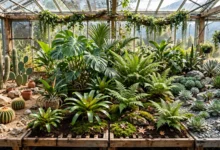
- Hostas, daylilies, and sedum are reliable, low-fuss perennials that fill space quickly and rarely need dividing more than once every few years.
- Ornamental grasses like little bluestem or fountain grass need almost no attention beyond an annual cutback and look good through multiple seasons.
- Native perennials are particularly low-maintenance since they’re already adapted to your local rainfall, soil, and temperature patterns.
Shrubs That Don’t Need Constant Pruning
Choosing shrubs that naturally hold a neat shape reduces how often you’re out there with secateurs.
- Dwarf varieties of popular shrubs stay compact naturally, avoiding the need for regular shaping.
- Slow-growing evergreens like boxwood alternatives or dwarf conifers provide year-round structure without rapid growth to manage.
- Native shrubs tend to have a naturally attractive form suited to local conditions, meaning less corrective pruning overall.
Choosing the right plants is genuinely the most effective low-maintenance gardening strategy available, because it removes ongoing work at the source rather than trying to manage a mismatched plant’s needs after the fact.
Step 2: Improve Your Soil Once, Properly
A lot of ongoing garden maintenance actually stems from poor soil, not the plants themselves. Struggling, sickly plants need more watering, more feeding, and more attention generally, so getting the soil right early prevents a lot of future work.
- Add compost generously when planting. This improves structure and nutrient content in one go, giving plants a strong foundation from the start.
- Test your soil pH. Choosing plants suited to your existing soil pH, rather than constantly amending it to suit mismatched plants, saves ongoing effort.
- Mulch immediately after planting. A good mulch layer protects soil structure, retains moisture, and suppresses weeds from day one.
- Avoid excessive tilling. Repeated digging disturbs soil structure and brings weed seeds to the surface, creating more work rather than less.
Getting soil right at the outset is a one-time investment that keeps paying off every season afterward.
Step 3: Reduce Lawn Area
Traditional lawns are one of the most labour-intensive parts of any garden, requiring regular mowing, edging, feeding, and often significant watering to stay green.
- Replace some lawn with groundcovers. Low, spreading plants like creeping thyme or native groundcovers fill space attractively without weekly mowing.
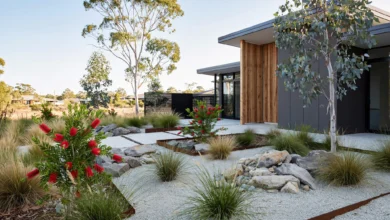
- Add hardscaping where appropriate. Gravel paths, paved seating areas, or decking reduce the total lawn area while adding usable outdoor space.
- Consider a no-mow grass blend. Several grass seed mixes are specifically bred to grow slowly and stay short, cutting mowing frequency dramatically.
- Use mulched garden beds instead of turf in areas that see little foot traffic anyway, since beds are often easier to maintain than lawn edges.
Cutting lawn size doesn’t mean losing green space, it just means shifting that space toward options that need far less weekly attention.
Step 4: Set Up Efficient, Low-Effort Irrigation
Manual watering is one of the most time-consuming recurring garden tasks. A properly set up irrigation system removes this almost entirely from your weekly routine.
- Install drip irrigation on a timer. Drip systems deliver water directly to root zones automatically, removing the need for manual watering altogether.
- Group plants by water needs. This lets you run irrigation zones efficiently rather than manually adjusting for different plants’ requirements.
- Mulch to reduce watering frequency. A thick mulch layer significantly cuts evaporation, meaning even automated systems can run less often.
- Choose drought-tolerant plants where possible. Reducing overall water demand means less irrigation infrastructure and lower ongoing water use.
The EPA WaterSense program publishes practical guidance on efficient irrigation setups, useful if you’re planning a system from scratch and want it to genuinely reduce upkeep rather than just automate a high-maintenance layout.
Step 5: Use Groundcovers and Mulch to Suppress Weeds
Weeding is one of the most disliked, recurring garden chores, and it’s largely preventable with the right groundwork.
- Apply a thick mulch layer, at least 5-7cm, across all garden beds to block light from reaching weed seeds.
- Plant groundcovers densely so there’s little bare soil left for weeds to establish in the first place.
- Use landscape fabric under mulch in high-weed areas, particularly useful for paths and beds prone to persistent weeds.
- Stay on top of weeds early in the season. A few minutes spent removing young weeds before they seed prevents a much bigger job later.
A well-mulched, densely planted bed genuinely needs a fraction of the weeding that bare soil or sparsely planted beds require.
Step 6: Design With Repetition and Structure
Gardens with a clear, repeated design tend to require less fussing than ones with lots of individual specimen plants that each need different care.
- Repeat the same plants in groups rather than using one of everything, which simplifies care since each group has identical needs.
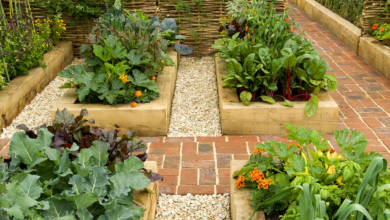
- Use structural elements like paths, edging, or low hedges to create a sense of order that doesn’t rely on constant tidying to look good.
- Limit your plant palette to a manageable number of species, since fewer types mean fewer different care routines to remember and manage.
Simple Layout Principles for Low-Maintenance Design
A few layout habits make ongoing care noticeably easier.
- Keep bed shapes simple and easy to mow or edge around.
- Avoid tight corners and narrow strips of lawn that are awkward to maintain.
- Group plants by both water needs and mature size to avoid overcrowding.
- Leave clear access paths so beds can be reached for occasional maintenance without stepping on plants.
Step 7: Choose Pest and Disease-Resistant Varieties
Constant pest and disease problems are a major source of ongoing garden work, from spraying to replacing damaged plants. Choosing resistant varieties from the start avoids much of this.
- Look for disease-resistant cultivars, particularly for roses, tomatoes, and other plants prone to common issues.
- Choose native plants where possible, since they typically have better natural resistance to local pests than imported ornamentals.
- Encourage beneficial insects by including a few pollinator-friendly plants, which helps keep pest populations naturally in check.
- Avoid monocultures. A garden with plant diversity is generally more resilient to pest outbreaks than one dominated by a single species.
Step 8: Automate What You Can
A few small automated systems remove entire categories of recurring tasks from your routine.
- Timer-controlled irrigation removes manual watering almost entirely.
- Robotic mowers can handle regular lawn maintenance with minimal supervision for gardens that keep some turf area.
- Slow-release fertilizers reduce how often you need to feed beds, compared to frequent liquid feeding schedules.
These small investments upfront often pay for themselves quickly in time saved over a single growing season.
Step 9: Plan for Seasonal Simplicity
A truly low-maintenance garden is designed so seasonal tasks stay minimal and predictable, rather than requiring a big scramble each time the weather shifts.
- Spring: Refresh mulch, do a light tidy-up of winter damage, and check irrigation systems before the growing season ramps up.
- Summer: Rely on established irrigation and mulch to handle most watering needs, with only occasional deadheading if you’ve chosen plants that need it.
- Autumn: Cut back perennials once, clear fallen leaves into mulch or compost, and let the garden settle for winter.
- Winter: Minimal activity required if plant choices, soil, and structure were handled properly earlier in the year.
The Royal Horticultural Society offers detailed low-maintenance planting guides that can help you fine-tune a seasonal routine suited to your specific climate and plant choices.
Common Mistakes That Create More Work Later
A few recurring habits quietly turn a garden high-maintenance, even when the original intention was the opposite.
- Buying plants on impulse without checking their mature size, water needs, or pruning requirements.
- Skipping mulch, which leads to far more weeding and watering than necessary.
- Overcomplicating the plant palette, making it hard to remember or manage each plant’s individual needs.
- Ignoring soil quality, leading to struggling plants that need constant extra attention just to survive.
- Choosing a large, uninterrupted lawn without considering how much regular mowing and edging it will actually require.
Avoiding these habits from the start is far easier than trying to correct an overgrown, high-maintenance garden later.
Conclusion
Creating a garden that requires minimal upkeep comes down to a handful of decisions made early: choosing plants suited to your conditions, improving soil once rather than repeatedly fighting it, reducing lawn area, setting up efficient irrigation, and using mulch and groundcovers to keep weeds from ever getting established. None of this demands giving up on a garden that looks good, if anything, the structure and repetition that make a garden low-maintenance also tend to make it look more intentional and tidy. With the right planning upfront, how to create a garden that requires minimal upkeep stops being a mystery and just becomes a matter of a few smart choices that keep paying off season after season.