How to Choose the Right Plants for Your Climate
How to choose the right plants for your climate, covering hardiness zones, microclimates, soil, sunlight, and water needs for lasting results.
How to Choose the Right Plants for Your Climate: 7 Proven Steps for a Thriving Garden
Most gardening disappointments come down to one simple mistake: picking a plant because it looked good at the garden centre, not because it actually suits where you live. A plant that thrives in a mild coastal town can shrivel up in a hot, dry inland yard, and a shrub built for scorching summers can rot away in a cold, wet climate within a single season. Knowing how to choose the right plants for your climate is the single biggest factor separating gardens that flourish year after year from ones that need constant replanting.
This isn’t about memorizing botanical names or becoming a climate scientist. It’s about understanding a handful of practical factors, your hardiness zone, your local microclimate, your soil, and how much sun and rain your garden actually gets, and then matching plants to those realities instead of fighting against them. Once you get this right, gardening gets dramatically easier. Plants that are suited to your conditions need less watering, less fussing, and less replacing.
In this guide, we’ll walk through exactly how to figure out your climate conditions, how to read plant labels correctly, and how to build a plant list that will actually survive where you live, whether that’s a frosty inland region, a humid coastal area, or somewhere in between. By the end, you’ll have a clear, repeatable process you can use for every future plant purchase.
Why Climate Matters More Than Style When Choosing Plants
It’s tempting to build a garden entirely around a look you love, but style should come second to survivability. A plant that isn’t suited to your climate will always require more work, more water, and more chemical intervention to keep alive, and even then it often won’t thrive the way it would in its ideal conditions.
Choosing climate-appropriate plants isn’t a limitation on creativity, it actually opens up more realistic options. Once you know your conditions, you can confidently pick from dozens of plants that will genuinely flourish, instead of gambling on things that might not survive the first tough season.
There’s also an environmental angle. Plants suited to local conditions typically need less irrigation and fewer pesticides, since they’re naturally more resistant to local pests and diseases. This is part of why many gardening authorities, including the Royal Horticultural Society, increasingly recommend building garden plans around right-plant-right-place principles rather than trend-driven plant lists.
Step 1: Understand Your Hardiness Zone
The starting point for choosing plants for your climate is understanding your hardiness zone, a classification system based on average minimum winter temperatures.
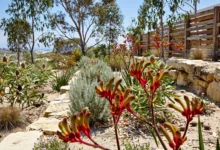
- In the US, this is the USDA Plant Hardiness Zone, ranging from 1 (extremely cold) to 13 (tropical).
- In the UK and much of Europe, the RHS hardiness rating system serves a similar purpose, using H1 to H7 categories.
- Zones tell you the coldest temperatures a plant is expected to survive, which is critical information before buying anything perennial, like trees, shrubs, or hardy flowers.
To find your zone, search your postcode or zip code through your national gardening authority’s zone finder tool. Once you know your number or rating, check it against the label on any plant you’re considering, most reputable nurseries print hardiness information directly on plant tags.
Keep in mind that hardiness zones only measure cold tolerance, not heat tolerance, drought resistance, or humidity needs. That’s why zone matching is an important first filter, but not the only one.
Step 2: Identify Your Local Microclimate
Two gardens in the same city, even the same street, can have noticeably different growing conditions. This is called a microclimate, and it’s one of the most overlooked factors in plant selection for your climate.
Things that create microclimates in your own garden include:
- Walls and fences that trap heat and create warmer pockets, useful for slightly tender plants.
- Slopes, where cold air pools at the bottom, making low-lying areas frostier than higher ground.
- Tree canopy, which creates shade and can also shield plants below from frost.
- Paving and concrete, which absorb and radiate heat, warming nearby beds.
- Wind exposure, especially in open or elevated gardens, which can dry out and damage plants that would otherwise be hardy enough.
Spend a season observing your garden before committing to a full planting plan. Note where frost lingers longest in winter, which spots dry out fastest in summer, and where puddles form after rain. This kind of local knowledge often matters more than the general climate data for your wider region.
How to Map Microclimates in a Small Garden
If you’re working with limited space, a simple walk-through can reveal a surprising amount.
- Check your garden at different times of day to track sun and shade patterns.
- Note any spots that stay wet longer than others after rainfall.
- Feel for temperature differences near walls, fences, and open areas.
- Watch which areas show frost first and last through a cold snap.
- Keep a simple sketch or photo log so you remember these patterns when planning next season.
Step 3: Test and Understand Your Soil
Soil type has a huge influence on which plants will actually thrive, sometimes even more than temperature. Two of the same plant species can perform completely differently in sandy soil versus heavy clay.
- Sandy soil drains quickly and warms fast in spring but dries out easily and loses nutrients.
- Clay soil holds water and nutrients well but can become waterlogged and compact, suffocating roots.
- Loam, a balanced mix of sand, silt, and clay, is considered ideal for most plants because it retains moisture without waterlogging.
- Chalky soil tends to be alkaline and free-draining, which suits some plants but limits others, particularly acid-loving species like rhododendrons.
A basic soil test, either a cheap DIY kit or a jar test where you shake soil with water and let it settle into layers, will tell you roughly what you’re working with. Testing soil pH is equally important, since it directly affects which nutrients plants can actually absorb, regardless of how fertile the soil otherwise appears.
Step 4: Factor In Sunlight and Shade
Sunlight requirements are usually printed clearly on plant labels, but it’s worth understanding exactly what those terms mean in practice.
- Full sun generally means at least six hours of direct sunlight daily.
- Partial sun/partial shade usually means three to six hours of direct sun, often in the morning or late afternoon rather than intense midday light.
- Full shade means less than three hours of direct sun, though many “shade” plants still need some indirect light to thrive.
Mismatching sunlight needs is one of the most common reasons plants fail even when hardiness and soil conditions are correct. A sun-loving plant placed in deep shade will grow leggy and weak as it stretches toward light, while a shade-loving plant in full sun can scorch and dry out quickly.
Track your garden’s actual sun exposure across a full day, ideally across different seasons too, since the sun’s angle changes significantly between summer and winter and can shift shadow patterns considerably.
Step 5: Account for Rainfall and Water Needs
Understanding your local rainfall patterns helps you decide between drought-tolerant and moisture-loving plants, and how much supplemental watering you’re realistically willing to commit to.
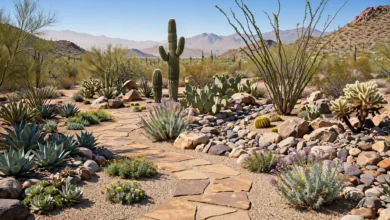
- Low-rainfall or drought-prone regions benefit from xeriscaping principles, using drought-tolerant plants like lavender, sedum, and ornamental grasses that need minimal irrigation once established.
- High-rainfall or consistently damp regions do better with moisture-loving plants such as hostas, astilbes, and many fern varieties, which can struggle or rot in drier conditions.
- Seasonal rainfall variation matters too. Some climates get concentrated wet seasons followed by long dry stretches, which requires plants tolerant of both extremes.
The National Oceanic and Atmospheric Administration and equivalent national weather services publish long-term rainfall averages by region, which are useful for understanding your area’s typical water patterns beyond just personal observation.
Building a Water-Wise Plant List
If reducing water use is a priority, focus on these characteristics when researching plants:
- Deep or extensive root systems, which access moisture further underground.
- Grey, silver, or fuzzy foliage, often an adaptation that reduces water loss.
- Small or narrow leaves, which lose less moisture through transpiration.
- Native or regionally adapted species, since these have evolved to handle your specific rainfall patterns already.
Step 6: Choose Native and Regionally Adapted Plants Where Possible
One of the most reliable shortcuts for choosing the right plants for your climate is leaning toward native or regionally adapted species. These plants have evolved over long periods to handle your local temperature swings, rainfall patterns, and soil conditions without extra help.
Benefits of native and regionally adapted planting include:
- Lower maintenance, since these plants are naturally suited to your conditions.
- Better wildlife support, as native plants tend to support local pollinators, birds, and beneficial insects far more effectively than non-native ornamentals.
- Stronger disease resistance, because native plants have typically developed some natural resilience to local pests and pathogens.
- Reduced water and fertilizer needs, cutting down on both cost and environmental impact.
Local botanical gardens, native plant societies, and extension offices are excellent resources for finding species specifically suited to your exact region rather than broad climate zone.
Step 7: Read Plant Labels Correctly Before Buying
Once you understand your zone, microclimate, soil, sunlight, and water conditions, the final step is knowing how to read a plant label properly so you can make quick, confident decisions at the nursery.
Look for these key details on every label:
- Hardiness zone or rating, confirming it matches or exceeds your local zone.
- Sunlight requirements, checked against your garden’s actual light conditions.
- Mature size, both height and spread, to avoid overcrowding as plants grow.
- Water needs, often listed as low, moderate, or high.
- Soil preference, including pH range and drainage requirements.
- Bloom time, useful for planning continuous seasonal colour.
If a label is missing this information, a quick search of the plant’s botanical name (not just the common name, which can vary regionally) will usually bring up detailed growing guides from reputable gardening organizations.
Common Mistakes When Choosing Plants for Your Climate
Even experienced gardeners fall into a few recurring traps:
- Buying based on appearance alone, without checking hardiness or sunlight needs.
- Ignoring microclimates, assuming the whole garden has identical conditions.
- Overlooking mature size, leading to overcrowded beds within a few seasons.
- Fighting the soil instead of amending or accepting it, which leads to years of struggling plants.
- Choosing thirsty plants in drought-prone areas, creating an unsustainable watering routine.
Avoiding these mistakes from the start saves significant time, money, and frustration down the line.
Building a Climate-Smart Plant List
Once you’ve gathered all this information, put together a simple reference list before you start shopping. For each plant you’re considering, note:
- Hardiness zone match
- Sunlight requirement
- Water needs
- Mature size
- Soil preference
This turns plant shopping from a guessing game into a straightforward matching exercise. Over time, you’ll develop an instinct for which plants are likely to work in your garden just by glancing at a label, but until then, this checklist approach keeps you from repeating expensive mistakes.
Conclusion
Choosing the right plants for your climate isn’t about limiting your garden, it’s about setting it up to succeed with far less effort. By understanding your hardiness zone, observing your garden’s unique microclimate, testing your soil, tracking sunlight and rainfall patterns, and leaning toward native or regionally adapted species, you can build a plant list that thrives rather than merely survives. The extra time spent researching before you buy pays off in healthier plants, lower maintenance, and a garden that actually looks the way you pictured it, season after season.