Decoration Ideas for Homes in Manchester and Birmingham
Practical decoration ideas for homes in Manchester and Birmingham, covering industrial character, terraces, and Northern light.
Decoration Ideas for Homes in Manchester and Birmingham: 9 Inspiring Styles You’ll Love
Manchester and Birmingham share more in common than their reputation as England’s great industrial cities. Both are built around a genuinely rich mix of Victorian terraces, red-brick back-to-backs, converted mills and warehouses, and a wave of newer apartment developments springing up in former industrial districts. That shared industrial DNA shapes how homes in both cities tend to get decorated, favouring honest materials, exposed structure, and a certain warmth that counters the grey Northern and Midlands skies.
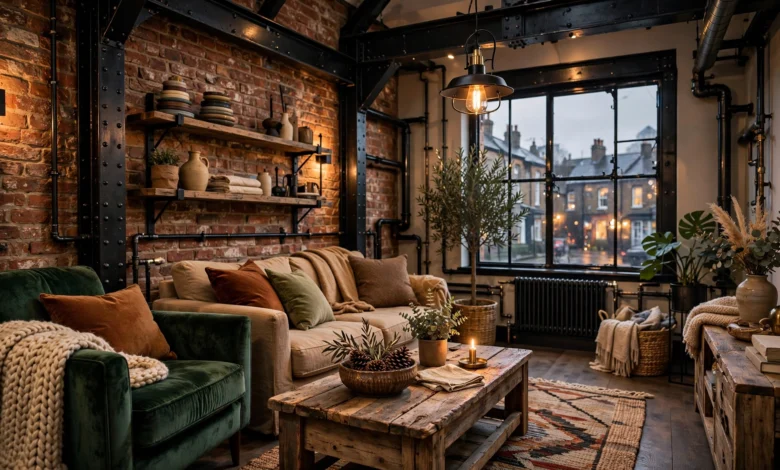
Good decoration ideas for homes in Manchester and Birmingham usually start with an appreciation for that industrial character rather than an attempt to erase it. A converted mill apartment in Ancoats or a loft in Birmingham’s Jewellery Quarter has genuine architectural bones, exposed brick, steel beams, high ceilings, that are worth working with rather than covering up. At the same time, both cities have huge amounts of more traditional Victorian and Edwardian terrace housing, which asks for a different, more classic approach.
In this article, we’ll cover practical decorating advice suited to both cities, including how to style converted industrial spaces, working with traditional terrace housing, colour and lighting choices suited to the region’s often overcast climate, and how to make the most of smaller city-centre apartments. Whether you’re in a Victorian terrace in Moseley, a converted warehouse in the Northern Quarter, or a new-build near Birmingham’s canal network, these ideas are grounded in the specific character of homes across both cities.
Understand What Makes Manchester and Birmingham Homes Distinct
Before choosing paint colours or furniture, it helps to recognise what sets housing in these two cities apart from other parts of the UK. Both Manchester and Birmingham grew rapidly during the Industrial Revolution, and that history is still visible in the housing stock today.
Effective decoration ideas for homes in Manchester and Birmingham typically fall into two broad categories: working with genuine industrial conversions, and decorating more traditional terrace and semi-detached housing that makes up the bulk of residential streets in both cities.
Industrial Conversions and Warehouse Apartments
Areas like Manchester’s Northern Quarter and Ancoats, and Birmingham’s Jewellery Quarter and Digbeth, are full of former mills, factories, and warehouses converted into residential apartments. These spaces typically feature:
- Exposed brick walls with genuine texture and character
- High ceilings with visible steel beams or timber trusses
- Large industrial-style windows, often crittall-framed
- Open-plan layouts with fewer internal walls than traditional housing
Victorian and Edwardian Terrace Housing
Both cities also have vast stretches of Victorian and Edwardian terrace housing, from Birmingham’s classic back-to-backs to Manchester’s red-brick rows across areas like Chorlton and Levenshulme.

- Bay windows and decorative brickwork on the exterior
- Original cornicing, ceiling roses, and picture rails inside
- Smaller room footprints compared to newer housing
- Cast iron or original timber fireplaces in many properties
Decorating Industrial Conversions With Confidence
If you’re lucky enough to live in a genuine mill or warehouse conversion, the goal is usually to lean into the space’s existing character rather than trying to soften it into something more conventional.
Let Exposed Materials Lead
- Keep exposed brick and steel largely unpainted, allowing the natural texture and colour variation to do the visual work
- Choose furniture with clean, simple lines that doesn’t compete with the architectural detail already present
- Add warmth through textiles, rugs, cushions, and curtains, since exposed brick and steel can otherwise feel cold without soft counterpoints
- Use warm-toned lighting to offset the industrial materials, since cool white light can make these spaces feel sterile
Furnish for Open-Plan Living
Many converted apartments feature large, open-plan layouts, which benefit from thoughtful zoning even without permanent walls.
- Use rugs to define distinct living, dining, and working areas within a single open space
- Choose furniture that doesn’t block sightlines across the room, favouring lower-backed sofas and open shelving
- Add a room divider, like an open bookshelf, if you want a soft visual separation between zones
- Position lighting to reinforce each zone separately, rather than relying on a single central fixture for the entire space
Working With Terrace Housing in Both Cities
The vast majority of housing across Manchester and Birmingham consists of Victorian and Edwardian terraces, and decorating these well means respecting their original character while adapting to modern living needs.
Restore Original Features
- Clean and repaint original cornicing and ceiling roses, using a slightly lighter shade than the walls to highlight the detail
- Restore period fireplaces where they still exist, even if used only decoratively
- Sand and refinish original floorboards rather than covering them with wall-to-wall carpet
- Retain bay windows as a genuine architectural asset, styling them with a window seat or a considered plant display rather than heavy curtains that obscure the shape
If your property sits within a conservation area, common across parts of both cities, it’s worth checking guidance from Historic England on what changes are appropriate before altering external features like windows or doors.
Maximise Light in Narrower Terrace Layouts
Many terrace houses in both cities have narrower floor plans with rooms that don’t always get generous natural light, particularly in mid-terrace properties without side windows.
- Choose light, warm-toned paint colours to help rooms feel brighter
- Add mirrors opposite windows to help bounce available light further into the room
- Avoid heavy, dark furniture in already dim rooms, saving bolder choices for better-lit spaces
- Use layered lighting, ambient, task, and accent, to compensate for limited daylight through autumn and winter
Choosing a Colour Palette for the Region’s Climate
Both Manchester and Birmingham see a fair amount of overcast, grey weather across the year, which affects how colours read indoors compared with brighter, sunnier parts of the country.
- Warm neutrals like soft taupe, warm grey, and muted sand tend to feel more inviting under regularly grey skies than stark white
- Deep, rich accent colours, forest green, navy, and burnt terracotta, suit both the industrial and Victorian housing common across these cities particularly well
- Warm white generally performs better than cool white, avoiding the flat, cold look that stark white can take on under overcast daylight
- Test paint samples directly on your walls across a full day, since the difference between morning and late afternoon light can be significant in this region
Bringing Warmth Into Industrial and Period Spaces Alike
Given the region’s climate, layering warmth through texture and lighting matters across both industrial conversions and traditional terraces.
Textiles and Layering
- Add heavier curtains or thermal linings, particularly valuable in older terrace properties with less efficient glazing
- Layer rugs over original floorboards or exposed concrete in converted apartments for both warmth and texture
- Choose wool or heavy linen throws and cushions to soften industrial materials or plain, modern furniture
- Mix textures deliberately, pairing something rough like exposed brick with something soft like a boucle armchair
Warm, Layered Lighting
- Ambient lighting: pendant fixtures suited to either exposed ceiling structures or more traditional ceiling roses
- Task lighting: reading lamps and kitchen under-cabinet lighting for practical daily use
- Accent lighting: wall sconces or picture lights to highlight either original architectural detail or exposed industrial features
Warmer bulb temperatures, generally around 2700K, work particularly well across both cities given the amount of grey, overcast weather through much of the year.
Small Space Solutions for City-Centre Apartments
Both cities have seen a genuine boom in city-centre apartment developments, and many of these, along with converted terrace flats, come with a genuinely compact footprint.
- Choose multi-functional furniture, like a storage ottoman or a sofa bed, to make the most of limited square footage
- Use vertical storage, floor-to-ceiling shelving, to maximise wall space in smaller rooms
- Select furniture with visible, slim legs rather than boxy bases, which helps compact rooms feel less cramped
- Add a large mirror to visually expand a smaller living area, particularly useful in apartments with limited natural light
Preserving and Celebrating Local Character
Both Manchester and Birmingham have distinct local design identities worth drawing on, rather than importing a generic national style wholesale.
- Support local artists and makers for art and ceramics, which are genuinely abundant across both cities’ creative communities
- Reference the region’s industrial and musical heritage through art choices, without leaning into cliché or overly literal decor
- Use reclaimed materials, particularly reclaimed brick or timber, which are widely available given the volume of industrial building stock in both cities
- Consider joining or referencing local heritage groups when renovating a period property; organisations like The Victorian Society offer guidance specifically focused on preserving Victorian architectural character appropriately
Room-by-Room Quick Reference
- Living room: layered lighting, warm neutral or deep accent colours, a substantial rug to anchor the seating area
- Kitchen: light-reflective surfaces to counter grey daylight, open shelving for a lighter feel in smaller terrace kitchens
- Bedroom: thermal curtains for older properties, warm-toned lighting, natural fibre bedding for year-round comfort
- Converted loft or warehouse space: exposed materials left largely untouched, rugs to zone open-plan areas, warm lighting to offset industrial surfaces
- Terrace hallway/entry: light colours to maximise brightness in narrower entry spaces, wall hooks and vertical storage where floor space is limited
Final Thoughts on Decorating Homes in Manchester and Birmingham
What ties successful decorating together across both cities is a genuine respect for the existing architecture, whether that’s the industrial bones of a converted mill or the period detail of a Victorian terrace, combined with warm, layered choices suited to a climate that leans grey more often than not. Rather than importing a single national trend, the strongest interiors across Manchester and Birmingham tend to draw on the specific materials, history, and light conditions of these two genuinely distinctive cities.
Conclusion
Decorating a home well in Manchester or Birmingham comes down to understanding the property you’re actually working with, whether that’s a converted industrial space with genuine architectural character or a traditional Victorian terrace full of original detail, and choosing colours, materials, and lighting suited to the region’s often overcast climate. By restoring period features where they exist, letting exposed industrial materials lead in converted spaces, and layering warmth through texture and lighting throughout, you can create a home that feels genuinely considered rather than generic. These decoration ideas for homes in Manchester and Birmingham work because they’re rooted in what actually makes housing across these two cities distinctive, not because they follow a national trend imported from elsewhere.