Home Builder Guide for Homeowners in New South Wales
A practical home builder guide for New South Wales homeowners covering licensing, contracts, costs, warranties, and hiring tips.

Home Builder Guide: 7 Proven Tips for New South Wales Homeowners
Choosing a home builder is one of the biggest decisions you’ll make as a homeowner in New South Wales. Whether you’re building a new house from the ground up, adding an extension, or doing a major renovation, the builder you pick will shape your budget, your timeline, and honestly, your stress levels for months to come. NSW has its own rules around licensing, contracts, and home warranty insurance, and if you don’t know what to look for, it’s easy to end up with a builder who cuts corners or disappears halfway through the job.
This guide walks you through everything a homeowner in NSW needs to know before hiring a home builder, from checking licenses to understanding contract types to spotting warning signs before you sign anything. We’ll also cover what home warranty insurance actually protects you against, the difference between a volume builder and a custom builder, and the questions you should be asking every builder on your shortlist. None of this is complicated once you know where to look, but skipping these steps is exactly how homeowners end up in dispute with NSW Fair Trading or stuck with unfinished work.
By the end of this article, you’ll have a clear, practical framework for finding a licensed builder you can trust, negotiating a fair contract, and protecting yourself if something goes wrong along the way.
Why Choosing the Right Home Builder Matters in NSW
Building or renovating a home is a major financial commitment, and in most cases, it’s not something you’ll do more than a few times in your life. A good home builder brings more than just tools and tradespeople. They bring project management, supplier relationships, and knowledge of local council requirements that can save you money and headaches.
On the flip side, a poor choice of builder can mean:
- Blown-out budgets and hidden costs
- Delayed handover dates
- Substandard workmanship that costs more to fix later
- Legal disputes that drag on for months or years
In New South Wales, residential building work is regulated more tightly than in many other states, which is good news for homeowners, but only if you actually use the protections available to you. That starts with understanding who is legally allowed to build your home.
Understanding Home Builder Licensing Requirements in NSW
Every home builder who carries out residential building work valued over $5,000 (including labour and materials) in NSW must hold a valid contractor licence issued by NSW Fair Trading. This applies to general building work, as well as specialist trades like electrical, plumbing, and gas fitting.


A licensed builder has demonstrated:
- Relevant trade qualifications or experience
- Adequate insurance coverage
- A clean record with no unresolved disciplinary action
- Financial capacity to take on the work
How to Verify a Builder’s License
Before signing anything, check the builder’s licence directly through the NSW Fair Trading licence check tool. This free tool tells you:
- Whether the licence is current and active
- What class of work the builder is licensed for
- Any conditions or restrictions on the licence
- Whether there’s a history of disciplinary action
Never take a builder’s word for it. Verifying the licence takes two minutes and can save you from a very expensive mistake. It’s also worth asking for proof of their home warranty insurance at this stage, since it’s a legal requirement for most residential work over $20,000 in NSW.
Types of Home Builders in New South Wales
Not all home builders operate the same way, and understanding the different types will help you match the right builder to your project.
Volume Builders vs Custom Home Builders
Volume builders construct homes at scale, often using a set catalogue of house designs. They tend to offer:
- Lower per-square-metre costs due to economies of scale
- Faster build times with standardised processes
- Less flexibility on design changes
Custom home builders, on the other hand, work on one-off designs tailored to your block and your brief. They typically offer:
- Greater design flexibility and architectural input
- More direct communication with the builder or site supervisor
- Higher costs and longer lead times
If you’re building on a standard block with a straightforward design, a volume builder might suit your budget. If your land has slope, unusual dimensions, or you want a specific architectural style, a custom home builder is usually the better fit.
There’s also a third category worth mentioning: renovation and extension specialists, who focus specifically on additions, second-storey builds, and knockdown-rebuilds rather than greenfield construction.
How to Choose the Best Home Builder for Your Project
With hundreds of registered builders across NSW, narrowing down your options can feel overwhelming. Here’s a practical approach:
- Get at least three quotes. This gives you a realistic sense of market pricing and helps you spot a quote that’s suspiciously low.
- Visit completed homes. Ask each builder for addresses of past projects you can view in person, not just photos.
- Check online reviews and industry associations. Membership with the Housing Industry Association (HIA) or Master Builders Association NSW is a good sign, though not a guarantee on its own.
- Ask about their subcontractor relationships. Builders with long-standing trade relationships tend to have more reliable scheduling.
- Review their communication style early. If a builder is slow to respond or vague during the quoting stage, that pattern usually continues once you’re under contract.
Questions to Ask Before Signing a Contract
Before committing to a home builder, ask them directly:
- Can I see your current builder’s licence and insurance certificates?
- What is your typical timeframe from contract signing to handover?
- How do you handle variations and unexpected costs during the build?
- Who will be my main point of contact during construction?
- What warranty do you provide on workmanship after handover?
- Can you provide references from clients in the last 12 months?
A confident, established builder will answer these without hesitation. Vague or defensive answers are a red flag worth taking seriously.
Understanding Building Contracts and Costs in NSW
Once you’ve chosen a home builder, the contract is where the real detail lives. In NSW, any residential building work over $20,000 must be documented in a written contract that complies with the Home Building Act 1989.
Your contract should clearly outline:
- Total contract price and payment schedule
- Detailed scope of works and specifications
- Start and completion dates, including allowances for delays
- Process for handling variations
- Defects liability period
- Dispute resolution procedures
Fixed-Price vs Cost-Plus Contracts
There are two main contract structures homeowners in NSW will come across:
Fixed-price contracts lock in a total cost upfront, based on agreed plans and specifications. These offer more budget certainty but usually include a margin to cover the builder’s risk, and any changes to scope will trigger a variation with additional cost.
Cost-plus contracts charge based on actual costs incurred, plus a builder’s margin (often a percentage). These can work out cheaper if the project runs smoothly, but they carry more financial risk for the homeowner if costs escalate, and they make budgeting harder from the outset.
For most homeowners building a first home, a fixed-price contract offers more predictability and is generally the safer option unless you have strong reasons to prefer flexibility.
Home Warranty Insurance in NSW
Home warranty insurance, sometimes called home building compensation cover, is a mandatory protection for residential building work over $20,000 in NSW. It protects homeowners if the builder dies, disappears, becomes insolvent, or fails to comply with a court or tribunal order to rectify defective work.
Key points to understand:
- The builder is required to take out this insurance, not the homeowner
- Coverage typically applies for up to six years for structural defects and two years for non-structural defects
- You should receive a certificate of insurance before paying any deposit
- This insurance does not cover disputes over workmanship quality that don’t involve builder insolvency or death
Always request a copy of the certificate and confirm it matches the correct property address and contract value. You can find further detail on this requirement through NSW Fair Trading’s home building compensation page.
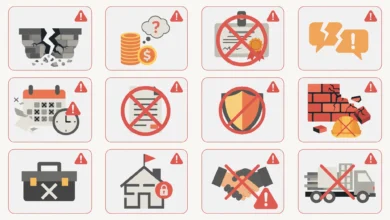
Common Mistakes Homeowners Make When Hiring a Home Builder
Even careful homeowners fall into a few predictable traps. Watch out for these:
- Choosing the cheapest quote without checking scope. A lower price often means fewer inclusions, not better value.
- Skipping the licence check. It takes minutes and prevents serious risk.
- Not reading the contract in full. Verbal promises mean nothing if they’re not written into the contract.
- Underestimating the contingency budget. Most experienced builders recommend setting aside 10–15% of your budget for unexpected costs.
- Failing to document variations. Any change to the original scope should be agreed in writing, with a cost attached, before work proceeds.
- Not inspecting work at key stages. Progress payments should be tied to inspections, not just calendar dates.
Tips for a Smooth Building Process
Once construction begins, a few habits will make the process far less stressful:
- Keep a written record of all communication, including emails and site meeting notes.
- Attend site visits regularly, but coordinate timing with your builder so you’re not disrupting trades.
- Understand your progress payment schedule and only release payments tied to completed, inspected stages.
- Ask questions early rather than waiting until something feels seriously wrong.
- Keep a copy of all approved plans and specifications on hand to compare against work as it’s completed.
Good communication between homeowner and home builder resolves the vast majority of issues before they become disputes.
Frequently Asked Questions
Do I need a licensed builder for a small renovation in NSW? Any residential building work over $5,000 in labour and materials requires a licensed contractor, even for smaller renovation jobs.
What happens if my builder goes broke during construction? This is exactly what home warranty insurance is designed for. You can lodge a claim to help cover the cost of completing or rectifying the work.
Can I make changes once the contract is signed? Yes, but any variation should be documented in writing with an agreed cost and timeframe before the work is carried out.
How long is the defects liability period in NSW? Most residential contracts include a defects liability period of around 12 months after practical completion, though structural warranty periods under home warranty insurance extend up to six years.
Conclusion
Finding the right home builder in New South Wales comes down to doing the groundwork before you sign anything: verifying licences through NSW Fair Trading, understanding whether a fixed-price or cost-plus contract suits your project, confirming home warranty insurance is in place, and asking direct questions about timelines, communication, and past work. Homeowners who take these steps upfront generally avoid the disputes, cost blowouts, and delays that make headlines, and instead end up with a home that was built the way they expected, by a builder they can trust from the first quote through to handover.