Home Builder Tips for Homeowners in Colorado
Home builder tips for Colorado homeowners cover snow loads, wildfire codes, soil issues, and altitude to help you build with confidence
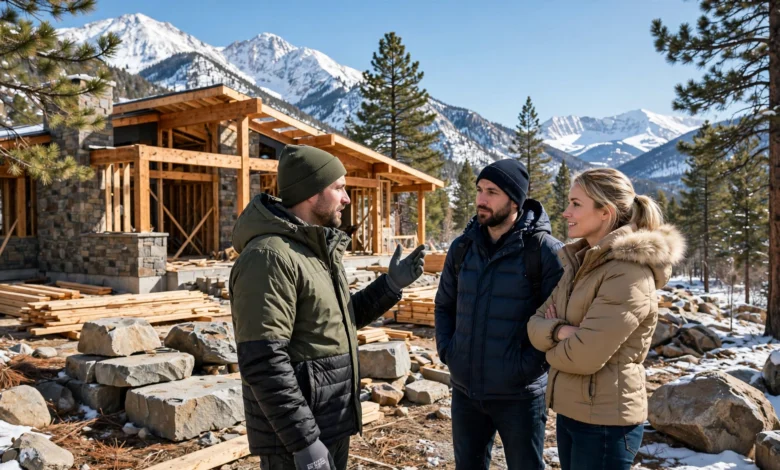
Home Builder Tips for Colorado Homeowners: 7 Essential Strategies for a Successful Build
Home builder tips for Colorado homeowners look a little different than they do almost anywhere else in the country. Between heavy snow loads, wildfire-prone terrain, expansive clay soils that can crack a foundation, and building at elevations where standard construction methods sometimes don’t hold up, Colorado presents a set of challenges that catch a lot of homeowners off guard. If you’re planning to build a home in Denver, Colorado Springs, the mountain communities around Vail or Aspen, or anywhere along the Front Range, understanding these regional factors before you break ground can save you a significant amount of money and frustration.
This guide brings together practical home builder tips specifically for Colorado, covering how to choose a builder who understands local conditions, what building codes and soil considerations you need to plan for, and how to budget realistically for a state where construction costs and requirements vary widely by county and elevation. We’ll also cover wildfire mitigation requirements, HOA considerations common in mountain communities, and the questions you should be asking any builder before signing a contract.
Whether you’re building a first home in a Denver suburb or a custom mountain retreat above 8,000 feet, the fundamentals of good planning stay the same, but the specifics around soil testing, snow load engineering, and fire-resistant materials can make or break your project. Let’s walk through what you need to know.
Why Building in Colorado Requires Region-Specific Knowledge
Colorado’s geography varies dramatically within short distances, and that variation directly affects how homes need to be designed and built. A builder experienced in Denver’s suburbs may not be prepared for the demands of a mountain lot at 9,000 feet, so understanding these regional factors is one of the most important pieces of home builder guidance you can apply early.
Expansive Soils and Foundation Risk
Much of the Front Range sits on expansive clay soils, sometimes called bentonite clay, which swell significantly when they absorb moisture and shrink when they dry out. This movement is one of the leading causes of foundation cracking and structural damage in Colorado homes. Before any building begins, a geotechnical soil test should be performed on your lot, and your builder should design the foundation specifically around those results, whether that means a post-tension slab, a structural floor system, or deep pier foundations.
Snow Load and Roof Engineering
Colorado building codes require roofs to be engineered for specific snow loads based on elevation and local climate data. A home built at 6,000 feet in Denver has very different structural requirements than one built at 10,000 feet in a mountain community. Ask your builder how they determine the snow load requirement for your specific address and confirm the roof structure, trusses, and support beams are engineered accordingly.
Wildfire Mitigation and Defensible Space
Many Colorado communities sit within the Wildland-Urban Interface, or WUI, where wildfire risk significantly shapes construction requirements. Builders working in these zones need to account for:

- Fire-resistant roofing and siding materials
- Ember-resistant vent screens
- Defensible space landscaping requirements set by local fire authorities
- Setback distances from vegetation and slopes
The Colorado State Forest Service provides detailed guidance on wildfire mitigation standards for homeowners building in high-risk areas, which is worth reviewing before finalizing your design. You can find their resources at csfs.colostate.edu.
How to Choose the Right Home Builder in Colorado
Selecting a builder with genuine regional experience matters more in Colorado than in many other states, simply because the difference between a builder who understands local soil and elevation conditions and one who doesn’t can show up as expensive problems years later.
Verify Licensing and Local Permitting Experience
Colorado does not have a single statewide contractor license, so licensing requirements vary by city and county. Confirm your builder is properly licensed in the specific jurisdiction where you’re building, and ask how many projects they’ve completed in that same county or municipality recently.
Ask About Experience With Your Elevation and Soil Type
A builder with strong experience in Denver’s suburbs may not have the same familiarity with mountain construction challenges like limited site access, shorter building seasons, or septic system requirements common in unincorporated areas. Ask direct questions like:
- How many homes have you built at this elevation or in this specific area?
- What foundation systems do you typically recommend for this soil type?
- How do you handle the shortened construction season in mountain communities?
Review Their Portfolio and Talk to Past Clients
Ask to visit or view photos of homes the builder has completed in conditions similar to yours. Speaking directly with past clients about how the builder handled unexpected issues, whether related to soil, weather delays, or code compliance, gives you a much clearer picture than a polished sales pitch.
Get a Detailed, Written Contract
Your contract should clearly outline:
- A detailed scope of work and specific materials, not vague allowances
- Foundation type and any soil-related contingencies
- A realistic timeline that accounts for Colorado’s weather-dependent building season
- Payment schedule tied to completed milestones
- Warranty terms for structural components, particularly the foundation
Budgeting for a Colorado Home Build
Construction costs in Colorado can vary significantly depending on elevation, site access, and local labor availability. Good home builder tips always include setting a budget that accounts for the state’s specific cost drivers, not just national averages.
Factor in Site Work and Access
Mountain and foothill lots often require significant grading, retaining walls, or extended driveways, all of which add cost before the home itself is even started. Get a site evaluation early so you understand these costs before finalizing your overall budget.
Plan for a Longer Construction Season Timeline
Colorado’s winter weather, especially at higher elevations, can shut down construction for weeks at a time. Ask your builder how weather typically affects their schedule in your specific area, and build extra time into your timeline rather than assuming a straightforward, uninterrupted build.
Build In a Contingency Fund
Most experienced Colorado builders recommend setting aside 10 to 20 percent of your budget as a contingency, covering things like:
- Additional foundation engineering after soil testing
- Utility hookup costs in rural or mountain areas
- Permit delays in high-growth counties along the Front Range
Compare Bids Carefully
Don’t compare builder bids by bottom-line price alone. Ask for an itemized breakdown from each builder so you can see exactly what materials, labor, and site work are included, since two similar-looking bids can represent very different scopes of work.
Navigating Permits, HOAs, and Building Codes
Colorado’s permitting process and homeowners association requirements can add complexity that homeowners don’t always anticipate, particularly in mountain communities with strict architectural guidelines.
Understand Local Permitting Timelines
Permit processing times vary widely across Colorado counties. Fast-growing areas along the Front Range can see longer wait times due to high application volume, while rural mountain counties may have smaller staff but fewer applications to process. Ask your builder what timeline to realistically expect in your specific jurisdiction.
Know Your HOA’s Architectural Review Requirements
Many Colorado mountain communities and planned developments have architectural review committees that approve exterior materials, colors, and even landscaping before construction can begin. This process can add several weeks to your timeline, so factor it in early rather than being surprised by it mid-project.
Common Inspections During a Colorado Build
A typical residential build in Colorado includes inspections such as:
- Foundation and soil bearing inspection
- Framing inspection, including snow load verification
- Rough-in electrical, plumbing, and mechanical inspections
- Insulation inspection, which matters significantly for energy efficiency at altitude
- Final inspection and certificate of occupancy
Common Mistakes Colorado Homeowners Make When Building
Learning from mistakes other homeowners have made is some of the most valuable home builder tips you can apply before your own project begins.
Skipping or Rushing the Soil Test
Given how common expansive soils are across Colorado, skipping a thorough geotechnical evaluation is one of the costliest mistakes a homeowner can make. Foundation repairs on an existing home can run into tens of thousands of dollars, far more than the cost of proper testing upfront.
Underestimating Altitude’s Effect on Construction
Building at high elevation affects everything from concrete curing times to HVAC sizing and window performance. Make sure your builder has direct experience working at your specific elevation, not just general Colorado experience at lower altitudes.
Ignoring Wildfire Mitigation Until It’s Required
Some homeowners treat wildfire-resistant materials and defensible space as an afterthought, only addressing them when required by a local fire authority. Building these considerations into your design from the start is almost always more cost-effective than retrofitting later.
Not Planning for Utility and Septic Realities
Rural and mountain properties often require well water and septic systems rather than municipal utilities. Confirm early whether your lot can support the size of home you’re planning, since septic system requirements are tied directly to bedroom count and soil percolation rates.
Working With Your Builder Throughout the Project
Staying engaged and organized during construction helps prevent the miscommunications that lead to disputes or costly rework.
Set a Consistent Communication Schedule
Ask your builder how often you’ll receive updates and through what method, whether that’s a project management app, weekly calls, or in-person site visits. Consistency matters more than the specific format.
Keep a Written Record of Decisions and Changes
Document every change order, verbal agreement, and major decision in writing. This is especially important in Colorado, where weather delays or soil surprises can lead to legitimate scope changes that need clear documentation.
Understand Warranty Coverage Before You Need It
Review your builder’s warranty terms closely, particularly around foundation and structural coverage given the region’s soil challenges. The National Association of Home Builders offers general guidance on what a reasonable new home warranty should include, which is a helpful benchmark when reviewing your own contract. You can find more information at nahb.org.
Final Thoughts on Building a Home in Colorado
Building a home in Colorado rewards homeowners who plan around the state’s unique geography rather than treating it like a standard build. Expansive soils, heavy snow loads, wildfire risk, and elevation-related construction challenges all require a builder with genuine regional experience and a homeowner who’s willing to budget and plan accordingly. The most useful home builder tips for Colorado come down to the same core principles: verify your builder’s local experience, insist on proper soil testing, budget for a longer and more weather-dependent timeline, and stay engaged throughout the process. A well-planned Colorado home, built with the state’s soil, snow, and fire conditions in mind from day one, is far more likely to hold up for decades without the costly surprises that catch unprepared homeowners off guard.