Decoration Tips for Homes in London
Practical decoration tips for homes in London, covering period features, small spaces, light, and conservation area rules.
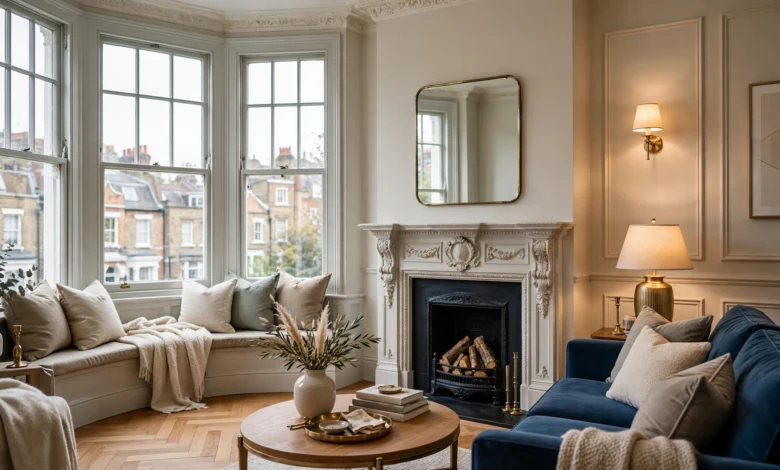
Decoration Tips for Homes in London: 9 Timeless Ideas You’ll Love
London housing is a strange mix of contradictions. You might live in a Georgian townhouse with soaring ceilings and original cornicing, or a compact Victorian terrace where every square metre has to earn its keep, or a modern new-build flat with floor-to-ceiling windows and barely any character to speak of. Decorating well in this city means working with what you’ve actually got, not what you wish you had.
That’s the real starting point for good decoration tips for homes in London: understanding your property type, its age, its light levels, and often its planning restrictions, before you touch a single wall. London has an enormous amount of period housing stock, much of it in conservation areas, which changes what’s realistically possible compared with decorating a home in a newer suburb elsewhere in the country.
In this article, we’ll go through practical, London-specific decorating advice, covering how to work with period features rather than strip them out, how to maximise light and space in typically compact properties, colour and material choices that suit the city’s grey-skied climate, and what to check before making changes to a listed or conservation area property. Whether you’re in a Victorian terrace in Clapham, a mansion block flat in Marylebone, or a new-build near Canary Wharf, these tips are grounded in the realities of decorating in London rather than generic advice that ignores the city’s particular housing quirks.
Understand Your Property’s Age and Restrictions First
Before choosing paint colours or furniture, it’s worth establishing what type of property you actually have and whether it comes with any decorating restrictions. London has a huge proportion of period housing, and a significant number of these properties sit within conservation areas or are individually listed.
Effective decoration tips for homes in London always start here, because changes that are perfectly fine in a modern flat, like replacing windows or removing an original fireplace, may require planning permission or listed building consent elsewhere.
Check Conservation Area and Listed Status
- Search your address on your local council’s planning portal to check conservation area status
- If your property is listed, contact your council’s conservation officer before altering external features
- Even in conservation areas, most internal decorating (paint, furniture, soft furnishings) is unrestricted
- External changes, windows, doors, render, and some extensions typically need approval
Historic England provides detailed guidance on what listed status actually means for homeowners, including what changes typically require consent, which is worth reviewing before planning any structural or external decorating work.
Work With Period Features, Not Against Them
A large share of London’s housing stock, Victorian terraces, Georgian townhouses, Edwardian semis, comes with genuine architectural character that’s expensive and difficult to replicate. Good decorating treats these features as assets rather than problems to solve.


Restore Rather Than Remove
Original cornicing, ceiling roses, ornate fireplaces, ceiling height, and ornamental plasterwork were often stripped out during less sympathetic renovations in the 1960s and 70s. Where these features still exist, they’re usually worth keeping and restoring rather than covering over.
- Clean and repaint original cornicing in a slightly lighter shade than the walls to highlight the detail
- Restore working fireplaces where possible, even if only used decoratively
- Keep original sash windows and improve efficiency with secondary glazing rather than replacing them entirely
- Sand and refinish original floorboards instead of covering them with wall-to-wall carpet
Blend Period Character With Contemporary Furniture
You don’t need to furnish a Georgian townhouse entirely in antiques. A mix of contemporary pieces against period architecture, sometimes called a transitional look, tends to feel fresher and less museum-like than an overly matched period interior.
Maximise Light in Typically Compact, Grey-Skied Homes
London’s climate is famously overcast for large parts of the year, and a significant portion of the city’s housing, particularly Victorian terraces and converted flats, deals with limited natural light due to narrow floor plans or small windows.
Decoration tips for homes in London aimed at addressing this usually focus on maximising whatever natural light is available and using artificial lighting strategically to compensate.
Colour and Reflective Surfaces
- Choose warm white or soft neutral paint rather than stark white, which can look cold and flat under London’s grey light
- Use gloss or satin finishes on trims and doors to bounce more light around a room
- Add large mirrors opposite windows to double the amount of light reflected into a space
- Avoid heavy, dark colours in already dim rooms, saving bolder tones for well-lit spaces
Layered Artificial Lighting
Given how much of the year London relies on artificial light, especially through autumn and winter, layering lighting properly makes a genuine difference to how a home feels.
- Ambient lighting: central pendants or flush ceiling fixtures for general illumination
- Task lighting: desk lamps, reading lights, and under-cabinet kitchen lighting
- Accent lighting: wall lights or picture lights to highlight art and architectural features
Warmer bulb temperatures (around 2700K) tend to suit London homes particularly well through the darker months, creating a cosier feel that compensates for limited daylight hours.
Decorating Smart in Compact London Spaces
Space is at a premium across most of London, and a lot of housing, particularly converted flats and smaller Victorian terraces, requires decorating decisions that genuinely maximise limited square footage.
Multi-Functional Furniture
- Choose a storage ottoman instead of a coffee table with no internal capacity
- Opt for a sofa bed or daybed in a home office that occasionally doubles as a guest room
- Use wall-mounted or foldaway desks in smaller flats to reclaim floor space when not in use
- Select nesting tables that can expand for guests and tuck away afterward
Vertical Storage and Display
When floor space is limited, walls become far more valuable for storage and display than they might in a larger home elsewhere.
- Install floor-to-ceiling shelving to make full use of vertical space
- Use tall, narrow furniture pieces rather than wide, low ones in compact rooms
- Add hooks and rails in entryways instead of relying on floor-standing furniture for coat and shoe storage
- Choose furniture with slim, visible legs rather than boxy bases, which helps small rooms feel less cramped
Colour Palettes That Suit London’s Light and Housing Stock
Colour choice in London benefits from working with the city’s specific light conditions and the character of its predominant housing styles, rather than following trends developed for brighter, sunnier climates elsewhere.
- Deep, rich colours like forest green, navy, and burgundy suit London’s period properties particularly well, especially in smaller rooms like studies or dining rooms where a cocooning feel works to advantage
- Soft, warm neutrals remain a safe, versatile choice for larger or lighter-filled rooms, particularly in open-plan conversions
- Off-white and warm white tend to perform better than stark white under London’s grey daylight, avoiding the flat, cold look stark white can take on
- Testing paint samples directly on your walls, and viewing them at different times of day, matters more in London than in brighter climates, since light quality shifts significantly through the day and across seasons
Bringing Outdoor Space Indoors
Many London homes, particularly flats and terraces without private gardens, have limited or no outdoor space, which makes indoor greenery and outdoor-inspired styling especially valuable.
Indoor Plants Suited to London Conditions
- Low-light tolerant plants like ZZ plants, snake plants, and pothos suit London’s often dim interiors, particularly ground floor and basement flats
- South-facing rooms with stronger light can support a wider range of plants, including fiddle leaf figs and larger palms
- Grouping plants at varying heights near the brightest window in a room creates a more natural, layered look
Balconies and Communal Gardens
For homes with access to a balcony or shared garden space, treating that area as a genuine extension of your living space, even a small one, adds real value to daily life in a city where private outdoor space is scarce.
- Use weatherproof furniture sized appropriately for small balconies
- Add potted plants and herbs to bring greenery to otherwise hard, urban-facing spaces
- Choose foldable or stackable furniture for balconies that double as functional space and storage
Heating and Insulation Considerations for Older Homes
A significant portion of London’s housing predates modern insulation standards, which affects both comfort and some decorating choices, particularly around window treatments and flooring.
- Add heavier curtains or thermal linings in period homes with single-glazed sash windows
- Layer rugs over original floorboards to reduce heat loss and add warmth underfoot
- Consider secondary glazing rather than full window replacement in listed or conservation area properties, preserving original character while improving efficiency
- Draught-proof doors and windows as a simple, low-cost way to improve comfort without any structural change
Organisations like the Royal Institute of British Architects publish guidance on sympathetically improving the energy efficiency of period homes, which is a useful reference for London homeowners balancing comfort improvements with conservation requirements.
Room-by-Room Quick Reference for London Homes
Pulling everything together, here’s a simple breakdown of priorities by room across typical London properties:
- Living room: layered lighting, warm neutral or deep accent colours, a rug to anchor the seating area, mirrors to boost light
- Kitchen: brighter task lighting, light-reflecting splashback materials, open shelving to keep smaller kitchens feeling airy
- Bedroom: thermal curtains for older properties, warm-toned lighting, natural textiles for comfort
- Home office/multi-use room: multi-functional furniture, vertical storage, good task lighting for shorter winter days
- Balcony or communal garden: weatherproof furniture, potted greenery, foldable pieces suited to compact outdoor space
Final Thoughts on Decorating a London Home Well
The homes that feel most successfully decorated across London tend to share a common thread: they respect the property’s original character while genuinely solving for the practical challenges of city living, limited light, compact footprints, and often, real restrictions on what can be changed. Rather than fighting these constraints, the best approach works with them, restoring period features where they exist, maximising light through colour and mirrors, and choosing furniture that earns its place in a smaller footprint.
Conclusion
Decorating a home well in London comes down to understanding what you’re actually working with, whether that’s a listed Georgian townhouse, a compact Victorian conversion, or a modern new-build flat, and making choices that respect both the property’s character and the practical realities of city living. By restoring original features where possible, maximising natural and artificial light, choosing furniture suited to compact spaces, and checking conservation requirements before making structural changes, you can create a home that feels genuinely put together rather than working against its own bones. These decoration tips for homes in London aren’t about chasing trends, they’re about decorating thoughtfully within the specific constraints and character this city’s housing offers.