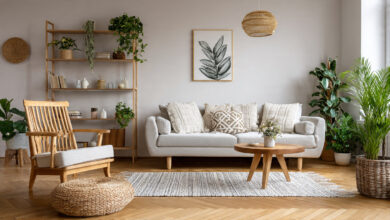
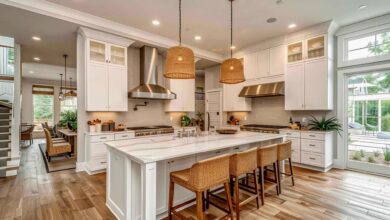
Design Ideas Homeowners in California Are Loving right now
Discover the top California home design trends of 2026, from warm palettes to indoor-outdoor living, wellness spaces, and fire-resilient upgrades.
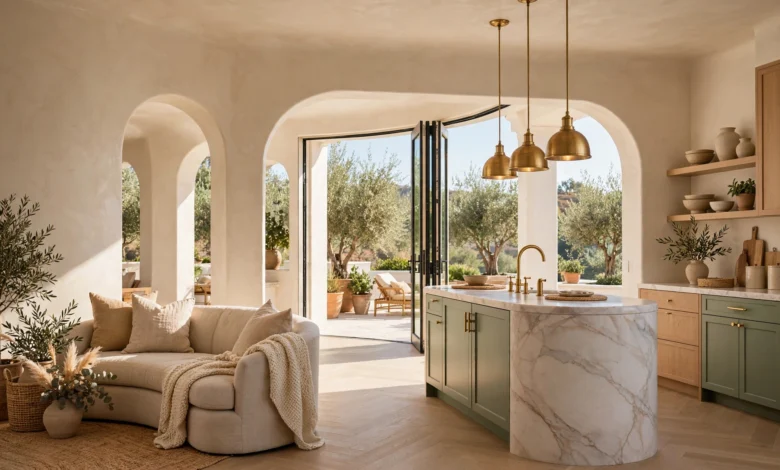
California home design trends in 2026 are less about following a rulebook and more about building a home that fits real life: entertaining outdoors, unwinding after a long day, and living somewhere that can hold up to the state’s climate. Homeowners across Los Angeles, the Bay Area, San Diego, and Santa Barbara are moving away from the stark, all-white interiors that defined the last decade and toward spaces that feel warmer, more personal, and more resilient.
This shift is showing up everywhere, from kitchen finishes to backyard layouts to the materials builders are specifying for new roofs. Designers, remodelers, and real estate agents across the state are reporting a similar pattern: homeowners want beauty, but they also want function, sustainability, and peace of mind, especially given rising concerns around wildfire risk, drought, and energy costs. The result is a design language that’s distinctly Californian, sun-driven, indoor-outdoor by default, and increasingly practical underneath the polish.
Whether you’re planning a full remodel, refreshing a single room, or just curious about where interior design trends in California are headed this year, this guide walks through the ideas homeowners are actually asking for right now, based on what’s happening across the state’s renovation and real estate markets.
1. Warm Color Palettes Are Replacing Stark Whites and Grays
For much of the last decade, “clean” meant white walls and gray cabinetry. That look is fading fast across California. Homeowners are gravitating toward warm neutrals and sun-inspired tones instead, including:
- Warm white and putty-toned paint
- Terracotta and clay-inspired accents
- Sage and olive greens on cabinetry or kitchen islands
- Muted coastal blues and warm taupes
These colors work particularly well in California homes because they enhance natural light rather than competing with it, and they pair naturally with the state’s strong indoor-outdoor connection. It’s also one of the more budget-friendly ways to modernize a home without a full renovation.
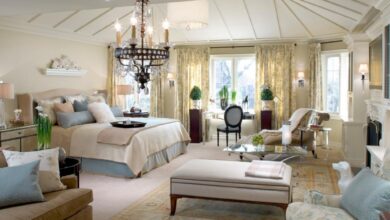
2. Layered, Collected-Over-Time Interiors
Minimalism isn’t disappearing in California, but the overly sparse, showroom-perfect version of it is losing appeal. Homeowners now want rooms that feel layered and personal, mixing modern furniture with vintage pieces, textured textiles, and decor that reflects their own story rather than a matching catalog set.
This trend shows up as:
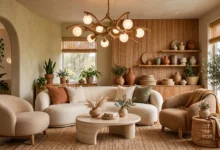
- Vintage furniture paired with newer, streamlined pieces
- Handmade or artisanal accents like ceramics and textiles
- Mixed metals and finishes instead of one uniform palette
- Personal collections displayed intentionally rather than hidden away
Design is increasingly treated as something that evolves with a household, not something installed all at once.
3. Indoor-Outdoor Living, Taken Further Than Ever
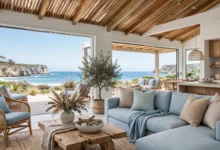
Indoor-outdoor living has always been a hallmark of California design, but in 2026 it’s reached a new level of ambition. Outdoor kitchens now regularly include multiple cooking surfaces, wood-fired pizza ovens, dedicated cocktail bars with built-in wine refrigeration, and full weatherproof cabinetry.
What sets the California approach apart is how naturally these spaces connect to the interior. Sliding glass walls, matching flooring, and consistent design details blur the line between the indoor kitchen and its outdoor counterpart, creating one continuous entertaining flow. Industry estimates suggest well-designed outdoor kitchens can return between 60% and 120% of their cost in added home value, making the category one of the more financially sound upgrades available to homeowners.
Common features in this category include:
- Built-in grills, pizza ovens, and prep stations
- Covered patios functioning as a true second living room
- Continuous indoor-outdoor flooring materials
- Outdoor bars with refrigeration and storage
4. Curated, European-Inspired Outdoor Entertaining
Outdoor dining in California isn’t treated as a backup plan for good weather. It’s the default. This year, that habit has become more curated: long communal tables, mismatched chairs, linen napkins, real glassware, and soft candlelight are replacing the more casual backyard party setup, giving gatherings a relaxed, European feel.
At the same time, smaller and more intentional get-togethers are gaining ground over large parties with catering teams. The common thread across both styles is the same: California hosting is about creating a space people want to linger in, not about achieving perfection.
5. Biophilic Design and Natural Materials
Biophilic design continues to grow across California as homeowners look for ways to bring nature indoors, intentionally and beautifully. This goes beyond a few houseplants. Natural materials like wood, stone, plaster, and clay tile are showing up throughout interiors, often paired with large windows that maximize daylight.
Beyond aesthetics, this approach is linked to reduced stress and improved indoor airflow, which fits naturally with the California lifestyle. Expect to see more:
- Exposed wood beams and natural wood cabinetry
- Stone countertops and backsplashes
- Indoor greenery integrated into main living spaces
- Skylights and expanded window lines
6. Wellness Zones Are Becoming a Standard Feature
Dedicated wellness spaces, including meditation nooks and at-home spas, are showing up more frequently in California remodels. These rooms typically rely on natural materials and serene, uncluttered layouts to create a space for winding down at the end of the day.
This trend reflects a broader shift in priorities: homeowners are designing for how a home makes them feel day to day, not only for how it photographs for resale. Popular wellness features include:
- Home saunas or steam rooms
- Soaking tubs and spa-style bathrooms
- Soft, dimmable lighting throughout
- Quiet, low-clutter rooms set apart from main living areas
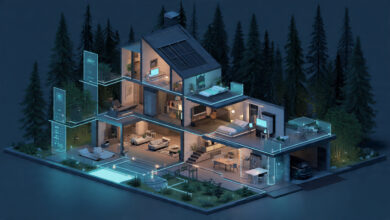
7. Smart Home Technology That Blends Into the Background
California has long led the way in smart home innovation, but 2026 introduces a noticeable shift: technology that blends in instead of standing out. Rather than visible panels, hubs, and gadgets, homeowners want automation that disappears into the design.
This includes:
- Speakers and sensors integrated into ceilings or trim
- Touch controls disguised as mirrors or artwork
- Automated shading and lighting controlled by voice or app
- Energy monitoring built into the home’s electrical system rather than a separate visible unit
8. Panel-Ready Appliances and Concealed Kitchen Work Zones
In the kitchen, the move toward a clean, monolithic look continues to define luxury kitchen design across Southern California. Panel-ready appliances from major manufacturers create seamless kitchen environments by hiding refrigerators and other equipment behind matching cabinetry.
This pairs with a broader shift toward concealed, multi-functional work hubs, workstation systems that integrate prep, cooking, and cleanup within a compact footprint, minimizing visual clutter while maximizing capability. The open-concept kitchen, once defined purely by size, is now being redesigned around efficiency and specialization.
9. Beverage Centers as a Standalone Feature
A smaller but increasingly common addition is the dedicated beverage center, a personalized coffee and drink station separate from the main kitchen workflow. These setups typically include built-in coffee equipment, small refrigeration units, and dedicated glassware storage.
It’s a modest addition in square footage, but it reflects a larger theme in California kitchen design: spaces built around daily rituals and personal routines, not just entertaining.
10. Fire-Resilient and Climate-Hardened Design
Given the state’s wildfire risk, drought conditions, and rising insurance scrutiny, resilience upgrades have become a genuine design category rather than an afterthought, particularly in fire-prone areas like the hills around Los Angeles, Santa Barbara, and San Diego County. Homeowners are actively incorporating:
- Fire-rated roofing materials
- Ember-resistant vents
- Defensible-space landscaping around the home’s perimeter
- Steel or tempered-glass windows
- Backup water and power systems
Buyers in higher-risk areas are increasingly seeking out homes that already include these protections, and real estate professionals are advising sellers to highlight home-hardening upgrades as a selling point rather than treating them as purely functional.
11. Eco-Smart, Sustainability-Driven Remodels
Sustainability remains a consistent priority in California home renovation, driven both by environmental values and by practical concerns like utility costs and power reliability. Eco-smart remodels are increasingly framed as a way to cut long-term costs while boosting a home’s resilience.
Common upgrades in this category include:
- Solar panels paired with battery storage
- Energy-efficient windows and insulation upgrades
- Water-efficient landscaping and drought-tolerant plants
- Electric-ready systems, including EV charging and heat pump readiness
12. Multi-Functional Backyards and Patios
With California’s year-round sunshine, backyards are increasingly treated as an extension of the home’s living space rather than a separate area. Patios are being designed as multi-functional sanctuaries that can support dining, lounging, and quiet downtime depending on the time of day.
This often includes:
- Shaded lounge areas alongside dining and cooking zones
- Fire features for cooler evenings
- Flexible furniture arrangements that shift between entertaining and everyday use
- Landscaping that balances aesthetics with drought resilience
Final Thoughts
Taken together, these design ideas reflect where California homeowners are placing their attention in 2026: warmth over starkness, personality over showroom perfection, and resilience built in from the start rather than added later. From indoor-outdoor living and biophilic materials to wellness rooms, fire-hardened construction, and kitchens designed around daily rituals, the throughline is a home that supports how people actually want to live, not just how it photographs. Whether you’re planning a full remodel or a smaller refresh, borrowing even a handful of these ideas, better indoor-outdoor flow, warmer palettes, or added resilience upgrades, can make a meaningful difference in how a California home looks, functions, and holds up over time.
For further reading on how these trends are being tracked across the state, Snyder Diamond’s luxury design trends report offers additional detail on kitchen and appliance trends shaping Southern California homes, and the Montecito real estate design trends overview takes a closer look at resilience-focused upgrades in coastal markets.