General Contractor Guide for Homeowners in Florida
A practical general contractor guide for homeowners in Florida covering licensing, permits, hurricane codes, contracts, and hiring tips.
General Contractor Guide for Homeowners in Florida: 9 Essential Tips for a Safe, Successful Build
Hiring a contractor in Florida isn’t quite the same as hiring one anywhere else. Between hurricane building codes, flood zone requirements, county-specific permitting, and a licensing system that’s stricter than most states, Florida homeowners have a lot more to check before signing a contract. Skip a step, and you could end up with a project that fails inspection, an insurance claim that gets denied, or a contractor who was never actually licensed to work on your home in the first place.
This general contractor guide for homeowners in Florida walks through exactly what you need to know before you hire anyone, from verifying a license through the state’s official system to understanding why your quote might include hurricane strapping or impact windows you didn’t ask for. Florida’s building codes exist because of real, repeated storm damage, and a contractor who understands them will design and price your project differently than one who doesn’t.
Whether you’re doing a kitchen remodel in Tampa, rebuilding a roof in Miami after storm damage, or adding a room to a house in Jacksonville, the fundamentals are the same: verify credentials, understand local permitting, get everything in writing, and know the red flags specific to Florida’s contractor market, including licensed contractor fraud, which the state actively tracks and prosecutes. This guide covers all of it in detail, so you can hire with confidence instead of guesswork.
Why Florida Homeowners Need a Different Approach
Florida’s climate and regulatory environment set it apart from most of the country. Hurricanes, flooding, high humidity, and termite pressure all shape how homes are built and repaired here, and the state’s building codes reflect that.
A Florida general contractor working on your home needs to account for:
- Wind-load requirements for roofing, windows, and doors
- Flood zone elevation rules in coastal and low-lying areas
- Humidity-resistant materials to prevent mold and rot
- Termite pretreatment requirements for new construction and additions
Because of this, a quote or process that works fine in a drier, calmer climate might leave your Florida home vulnerable. This is one of the biggest reasons homeowners here need a guide tailored specifically to the state rather than generic national advice.
Step 1: Verify the Contractor’s License Through the State
Florida takes contractor licensing seriously, and verifying it is the single most important step before hiring anyone.


Understanding Florida’s Licensing System
Florida has two main license types for general contractors:
- Certified General Contractor (CGC) – licensed to work anywhere in the state, on projects of unlimited size and scope
- Registered Contractor – licensed to work only in specific counties or municipalities where they’ve registered
Both license types are issued and tracked by the Florida Department of Business and Professional Regulation. You can verify any contractor’s license status, disciplinary history, and insurance information directly through the Florida DBPR license search, which is free and takes less than a minute.
What to Check When Verifying a License
When you look up a contractor, confirm:
- The license is active and in good standing, not expired or suspended
- The license type matches the scope of your project
- There are no unresolved complaints or disciplinary actions
- The name on the license matches the business you’re hiring
Working with an unlicensed contractor isn’t just risky, it can also void certain homeowner’s insurance protections if something goes wrong during the project.
Step 2: Understand Florida’s Building Code Requirements
Florida operates under the Florida Building Code, one of the strictest in the country because of the state’s hurricane exposure. Any legitimate general contractor should be able to explain how the code affects your specific project.
Wind Mitigation and Hurricane Standards
Depending on your location, projects involving roofing, windows, doors, or exterior structures may need to meet wind mitigation standards, including:
- Impact-rated windows and doors in High-Velocity Hurricane Zones (Miami-Dade and Broward counties)
- Hurricane straps or clips connecting the roof structure to the walls
- Secondary water barriers under roofing materials
- Reinforced garage doors, since garage failures are a common cause of roof loss during storms
Flood Zone and Elevation Rules
If your property sits in a FEMA-designated flood zone, renovations or rebuilds may trigger elevation requirements or restrictions on how much you can renovate before the entire structure must be brought up to current flood codes. Your contractor should check your flood zone designation before finalizing plans, not after.
Step 3: Get the Right Permits for Your Project
Permitting in Florida is handled at the county or city level, which means requirements vary depending on where you live. A licensed general contractor working regularly in your area should already know the local permitting office and typical turnaround times.
Projects That Typically Require Permits
- Roof replacement or major roof repair
- Room additions or structural changes
- Electrical, plumbing, or HVAC work
- Pool installation or fencing above a certain height
- Window and door replacement in coastal zones
Questions to Ask About Permitting
- Who is responsible for pulling the permit, you or the contractor?
- Is the permit fee included in the quote, or billed separately?
- How long does the local permitting office typically take?
- Will the project require multiple inspections, and at what stages?
Skipping permits to save time or money is one of the costliest mistakes a Florida homeowner can make. Unpermitted work can complicate a home sale, void insurance coverage, and in some cases require the work to be torn out and redone under permit.
Step 4: Confirm Insurance Coverage
Florida law requires licensed contractors to carry specific insurance, but it’s worth confirming directly rather than assuming.
- General liability insurance – covers property damage or injury during the project
- Workers’ compensation insurance – required for contractors with employees, protecting you if a worker is injured on your property
Ask for a certificate of insurance directly from the contractor’s insurer, not just a photocopy, since certificates can be outdated or altered. You can also cross-check a contractor’s insurance status through the Florida Department of Financial Services, which oversees workers’ compensation compliance statewide.
Step 5: Get Multiple Quotes and Compare Scope, Not Just Price
Just like anywhere else, Florida homeowners should get at least three quotes before hiring. But because of the state’s code requirements, price differences here often reflect real differences in materials and compliance, not just markup.
What Can Cause Florida Quotes to Vary
- Whether impact-rated versus standard windows are included
- Roofing material and underlayment specifications
- Whether the contractor is factoring in required inspections and permit timelines
- Labor rates, which vary significantly between South Florida, Central Florida, and the Panhandle
How to Compare Fairly
- Request an itemized breakdown from each contractor
- Confirm each bid includes the same code-required materials
- Ask each contractor to specify their wind-load or flood zone assumptions
- Compare payment schedules and projected timelines side by side
A cheaper quote that skips hurricane strapping or uses non-impact windows in a coastal zone isn’t actually a bargain. It’s a liability that could cost far more after the next storm.
Step 6: Draft a Contract That Protects You
Florida law requires written contracts for most residential projects above a certain dollar threshold, but even smaller jobs should always be documented in writing.
A solid contract with a Florida licensed contractor should include:
- A detailed scope of work
- Total project cost with an itemized breakdown
- Payment schedule tied to completed milestones, not arbitrary dates
- Start and estimated completion dates
- Change order procedures and pricing
- Warranty terms for labor and materials
- Contractor’s license number, listed directly on the contract as required by Florida law
Florida also caps how much a contractor can request as an upfront deposit for many residential projects, so be cautious of any contractor asking for a large percentage before work begins.
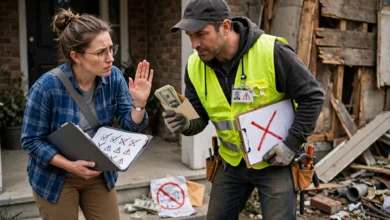
Step 7: Know the Red Flags Common in Florida
Florida sees a disproportionate amount of contractor fraud, especially after major storms when demand for roofing and repair work spikes.
Watch for these warning signs:
- Storm chasers – contractors who appear immediately after a hurricane, often from out of state, offering fast repairs with little accountability
- Cash-only demands with no written contract
- License numbers that don’t match when checked against the DBPR database
- Pressure to sign an insurance assignment of benefits (AOB) without understanding what it means
- Unusually low bids that skip required code upgrades
- No local address or verifiable business history
If a contractor showed up unsolicited after a storm, take extra time to verify their license and insurance before signing anything, even if the roof needs urgent attention.
Step 8: Understand Inspections and Final Walkthroughs
Florida’s permitting process typically requires multiple inspections depending on the scope of the project, such as framing, electrical, plumbing, and final inspections. Your contractor should schedule these directly with the local building department.
Before making a final payment:
- Confirm all required inspections have passed
- Walk through the completed work against the original contract and scope
- Request final lien waivers from the contractor and any subcontractors
- Keep copies of all permits, inspection reports, and warranties for your records
Final lien waivers are especially important in Florida, since the state’s construction lien law allows subcontractors and suppliers to place a lien on your property if they weren’t paid, even if you already paid the general contractor in full.
Step 9: Maintain Records for Insurance and Resale
Florida’s insurance market is closely tied to how well-documented your home’s construction and repair history is. Keep a dedicated file with:
- Copies of all permits and inspection approvals
- Contracts and change orders
- Product specifications for windows, roofing, and impact-rated materials
- Photos of completed work before walls or finishes are closed up
This documentation can lower your insurance premiums through wind mitigation credits and will speed up any future claims or home sale disclosures.
Frequently Asked Questions
How do I check if a general contractor is licensed in Florida? Use the Florida DBPR’s online license search tool, which lists license status, type, and any disciplinary history for every registered contractor in the state.
Do I need a permit for a small renovation in Florida? Many smaller projects, like painting or flooring, don’t require permits, but anything involving structural, electrical, plumbing, or roofing work almost always does. Check with your local building department to confirm.
What is a Certified General Contractor versus a Registered Contractor? A Certified General Contractor can work anywhere in Florida, while a Registered Contractor is limited to the specific counties or cities where they’ve registered their license.
Why do Florida contractor quotes often include hurricane-related costs? Florida’s building code requires wind mitigation measures in many areas, including impact-rated materials and reinforced roof connections, which add cost but are often legally required, not optional upgrades.
What should I do if a contractor asks for a large deposit upfront? Florida law limits deposit amounts for many residential contracts. If a contractor is asking for more than what’s standard, treat it as a red flag and ask for a clear explanation in writing before proceeding.
Conclusion
Hiring a general contractor in Florida takes more diligence than in most other states, mainly because of the added layers of hurricane building codes, flood zone rules, and county-specific permitting. Start by verifying the contractor’s license and insurance through Florida’s official state systems, confirm that their quote accounts for wind mitigation and flood requirements where applicable, and always get a detailed written contract before work begins. Watch for red flags like storm chasers and unlicensed workers, keep thorough records throughout the project, and don’t skip permits or final inspections just to save time. Following these steps won’t guarantee a flawless project, but it puts Florida homeowners in a far stronger position to hire the right contractor and protect their home for the long term.