How to Choose Between an Inground and Above-Ground Pool
A clear, practical comparison of cost, durability, and value to help you confidently choose between an inground and above-ground pool.
How to Choose Between an Inground and Above-Ground Pool: 7 Proven Factors
How to choose between an inground and above-ground pool is one of the first real decisions any homeowner faces once they decide to add a backyard pool, and it’s a bigger decision than it looks. The two options aren’t just different price points on the same product, they’re genuinely different investments with different lifespans, different installation processes, and very different impacts on your property.
Search around for advice on this topic and you’ll find a lot of surface-level comparisons that just list a price range and call it a day. That’s not enough to make a good decision. The right choice depends on your budget, how long you plan to stay in your home, your climate, and whether you’re building for daily family use or resale value down the road.
This guide walks through the real differences between an inground pool and an above-ground pool: installation cost, long-term maintenance, durability, design flexibility, and how each one affects your home’s resale value. By the end, you’ll have a clear framework for choosing between inground and above-ground pools instead of just picking based on sticker price. We’ll also cover the questions worth asking yourself before you sign a contract, because the wrong choice here is expensive to undo. Let’s break down exactly what separates these two pool types and which one fits your situation.
Why This Decision Deserves More Than a Quick Google Search
A pool is one of the more permanent investments you’ll make in your property, even the “temporary” above-ground versions tend to stick around for years once installed. Getting the inground vs. above-ground pool decision right up front saves you from a costly do-over. Before comparing the two, it helps to understand what each option actually is.
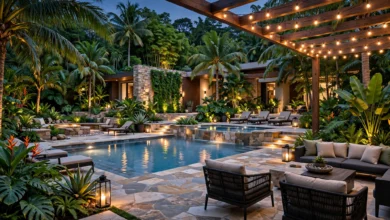
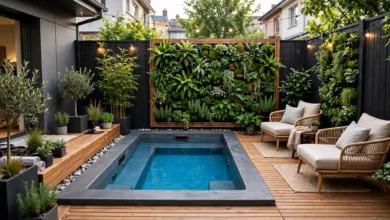
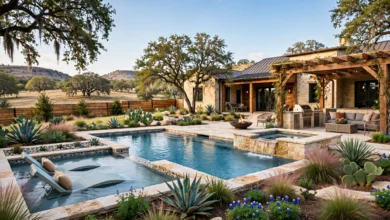
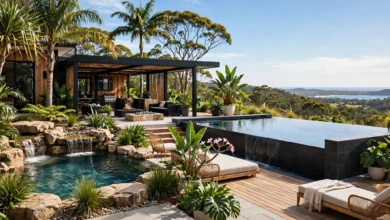
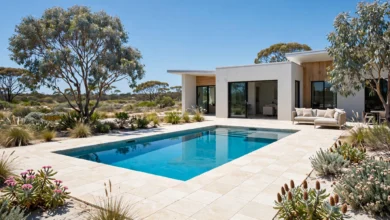
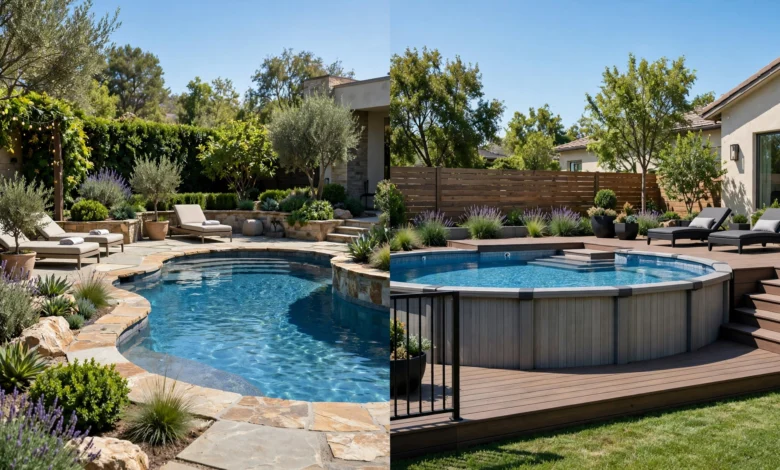
- Inground pools are built into an excavated area of your yard, using concrete (gunite), fiberglass, or a vinyl liner set into a frame. They’re permanent structures that become part of your landscape.
- Above-ground pools sit on top of the ground inside a metal, resin, or hybrid frame, with a vinyl liner holding the water. They’re considered semi-permanent and can, in most cases, be disassembled and removed.
With that baseline established, here are the seven factors that should actually drive your decision.
1. Compare Upfront Installation Costs
Cost is usually the first filter homeowners apply, and the gap between these two pool types is significant. An above-ground pool typically costs between $4,000 and $15,000 fully installed, depending on size and features, while a basic DIY kit can run as low as $700 to $5,000 before labor. An inground pool, by contrast, generally starts around $40,000 to $65,000 and can climb well past $100,000 for larger builds with custom features, premium materials, or extensive decking.
- Above-ground pool: $4,000–$15,000 installed
- Inground pool: $40,000–$120,000+ installed
That price difference alone rules out inground pools for a lot of budgets, but cost shouldn’t be the only factor you weigh.
2. Understand the Installation Timeline and Process
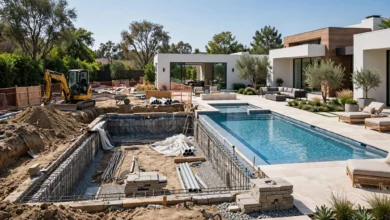
Pool installation timelines differ dramatically between the two options. An above-ground pool can typically be assembled and filled in 1 to 3 days by a small crew, and simple kits are DIY-friendly for handy homeowners. An inground pool is a full construction project: excavation, structural work, plumbing, electrical, and curing time for concrete or gunite finishes can stretch the timeline to several weeks or even a few months, depending on permitting and weather delays.
If you need a pool ready for a specific summer or event, this timeline gap matters just as much as the cost difference.
3. Weigh Durability and Expected Lifespan
This is where the two pool types diverge the most over the long run. Inground pools, particularly concrete and fiberglass models, are built to last for decades with proper care. Concrete pools typically need resurfacing every 10 to 20 years, but the underlying structure holds up for the life of the home in most cases.
Above-ground pools have a much shorter practical lifespan, often 7 to 15 years depending on the frame material and how well it’s maintained. Liners typically need replacement every 6 to 12 years, and metal frames are vulnerable to rust and corrosion over time, especially in humid or coastal climates.
- Concrete inground pools: 20+ years, with periodic resurfacing
- Fiberglass inground pools: 25–30+ years, minimal resurfacing needed
- Above-ground pools: 7–15 years before major replacement is likely
4. Consider Design Flexibility and Customization
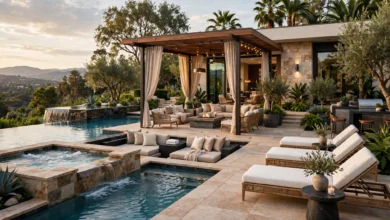
If you want a specific shape, depth variation, tanning ledge, built-in spa, or waterline tile design, an inground pool gives you far more creative control. Because it’s built on-site, the design can follow your yard’s layout and your personal preferences almost without limit.
Above-ground pools are constrained by manufacturing standards. Most come in round or oval shapes, with limited depth (usually 48 to 52 inches) and diameters ranging from 12 to 33 feet. You can dress one up with a surrounding deck to soften its appearance, but you’re still working within the boundaries of a manufactured kit.
Customization Snapshot
| Feature | Inground Pool | Above-Ground Pool |
|---|---|---|
| Shape options | Nearly unlimited | Round or oval |
| Depth range | Up to 9–11 feet | 48–52 inches typical |
| Custom features | Tanning ledges, spas, waterfalls | Limited add-ons |
| Surface finishes | Plaster, pebble, tile, vinyl | Vinyl liner only |
5. Factor in Ongoing Maintenance
Both pool types require regular chemical balancing, filtration, and cleaning, but the scale of maintenance differs. Larger inground pools generally hold more water, which means more chemicals and more energy to run pumps and filtration systems. However, inground pools are also easier to keep clean long-term since they’re built with proper skimming and circulation systems designed for the space.
Above-ground pools are usually smaller and cheaper to maintain chemically, but liners are more prone to punctures, and metal frame components need regular inspection for rust or structural wear. If your above-ground pool is disassembled seasonally, you’ll also spend time each year on setup, teardown, and winterization.
6. Understand the Impact on Home Value
This is where the decision often gets clearer for homeowners thinking beyond just personal enjoyment. According to a National Association of Realtors report, homes with pools have sold at a substantial premium compared to similar homes without one, particularly in warm-climate markets where pools are an expected feature rather than a luxury add-on.
Here’s the key distinction for this decision: inground pools are treated as permanent property improvements and are factored into a home’s appraised value by most real estate appraisers. Above-ground pools, on the other hand, are generally considered personal property, similar to a shed or a trampoline, and rarely add measurable resale value. In some cases, an aging or unattractive above-ground pool can actually be a mild deterrent to buyers.
If resale value is part of your reasoning for adding a pool, an inground pool is the far stronger long-term investment. If you’re building strictly for personal enjoyment and don’t plan to factor the pool into a future sale, an above-ground pool can deliver a lot of the same daily enjoyment at a fraction of the cost.
7. Match the Pool Type to Your Climate and How Long You’ll Stay
Your local climate and how long you plan to own the home should weigh heavily on this decision. In warm, year-round swim climates like Florida, Texas, and Arizona, an inground pool is a stronger fit since it holds up to constant use and heavy sun exposure while adding real value in a market where pools are expected. Reliable guidance from resources like the U.S. Consumer Product Safety Commission’s pool safety guidelines also applies to both pool types, since barrier and supervision requirements matter regardless of which one you choose.
If you’re in a shorter-season climate, renting rather than owning long-term, or simply want to test whether pool ownership fits your lifestyle before committing to a major renovation, an above-ground pool is a lower-risk way to get started.
Quick Decision Checklist
Use this list to sanity-check your choice before moving forward:
- Budget – Can you comfortably afford $40,000+, or does your budget realistically cap around $15,000?
- Timeline – Do you need a pool ready in days, or can you wait weeks or months for a full build?
- Length of ownership – Are you staying in this home for 10+ years, or is a shorter-term solution more practical?
- Climate – Do you swim year-round, or only for a few months each summer?
- Resale priorities – Is adding home value part of your goal, or is this purely a lifestyle purchase?
- Design goals – Do you want a custom shape and features, or is a standard round or oval pool good enough?
- Long-term commitment – Are you comfortable with a permanent yard change, or do you want the option to remove it later?
If most of your answers point toward bigger budget, longer timeline, and long-term ownership, an inground pool is the better fit. If your answers lean toward tighter budget, shorter timeline, and flexibility, an above-ground pool makes more sense.
Conclusion
Choosing between an inground and above-ground pool comes down to weighing upfront cost against long-term value, and flexibility against permanence. Inground pools cost significantly more and take longer to install, but they last for decades, offer far greater design freedom, and genuinely add to your home’s resale value. Above-ground pools are faster, cheaper, and lower-commitment, making them a smart choice for tighter budgets, shorter timelines, or homeowners who aren’t ready to make a permanent backyard investment. There’s no universally right answer here, only the option that best matches your budget, your climate, and how long you plan to enjoy your backyard before making the call.