How to Decorate a Rental Home Without Losing Your Deposit
Practical, landlord-friendly ways to decorate a rental home without losing your deposit, from removable finishes to smart styling tricks.
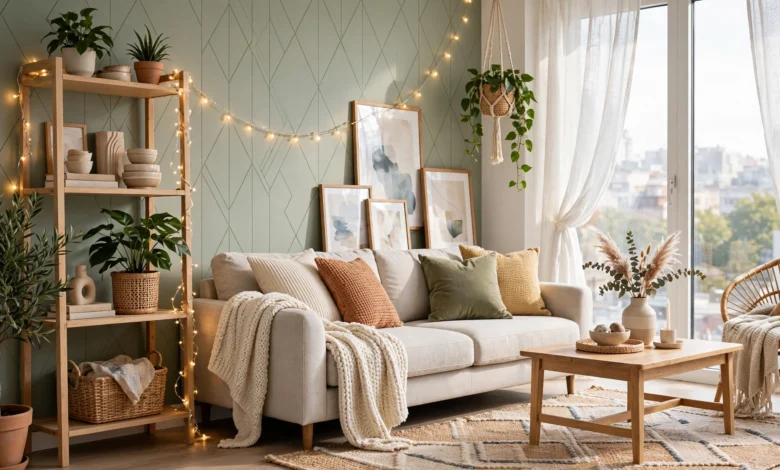
How to Decorate a Rental Home Without Losing Your Deposit: 9 Proven Tips
Renting shouldn’t mean living in a space that feels like a waiting room. But anyone who’s ever read a lease agreement knows the tension between wanting your home to actually feel like yours and not wanting to kiss your bond goodbye over a few nail holes.
Learning how to decorate a rental home without losing your deposit is really about working within the rules instead of around them. Most rental agreements restrict permanent changes, painting walls, drilling into surfaces, or altering fixtures, and for good reason. Landlords need the property returned in the condition it was handed over, minus normal wear and tear. But “no permanent changes” doesn’t mean “no personality.” There’s a genuinely wide range of decorating tricks that transform a rental without touching a single wall permanently.
In this article, we’ll go through practical, tested approaches to styling a rental property while protecting your bond. We’ll cover what to check before you decorate, removable alternatives to paint and wallpaper, smart ways to hang art and mirrors without drilling, how to use furniture and textiles to do the heavy lifting, and simple habits that protect your deposit at the final inspection. Whether you’re in a share house, a studio apartment, or a long-term family rental, these tips will help you make the space feel genuinely yours without any of the end-of-lease stress.
Understand Your Lease Before You Decorate Anything
Before buying a single command hook, read your lease agreement properly. This sounds obvious, but it’s the step most people skip, and it’s the one that causes the most disputes later.
Most leases outline what tenants can and can’t do to a property, and these clauses vary significantly between states and individual landlords. Some agreements are strict about anything touching the walls, while others are more relaxed as long as changes are reversible.
Effective rental decorating starts with knowing:


- What your bond actually covers — typically damage beyond normal wear and tear, not cosmetic changes that are properly reversed
- Whether your lease mentions specific restrictions on painting, wallpaper, or wall fixtures
- What your entry condition report says, since this document is what your final inspection gets compared against
- Whether your landlord or agent requires written permission for changes like shelving or curtain rods
If anything is unclear, it’s worth checking your state’s tenancy authority for guidance. In New South Wales, for example, NSW Fair Trading publishes clear information on tenant rights and what counts as acceptable wear and tear, which is a useful reference before you start any decorating project.
Document the Property Before You Move Anything
Take dated photos and videos of every room before you decorate, including close-ups of existing marks, scuffs, and wear. This protects you two ways: it proves what damage already existed, and it gives you a clear baseline to return the property to when you move out.
Skip Paint, Use Removable Wall Treatments Instead
Painting is usually the first thing people want to change in a rental, and it’s also the change most likely to cost you part of your bond if it’s not approved or professionally reversed. Fortunately, there are several ways to get a similar visual impact without touching a paintbrush to the wall.
Removable Wallpaper and Wall Decals
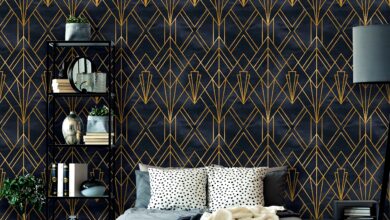
Peel-and-stick wallpaper has improved enormously in recent years and can look genuinely convincing when applied properly. It’s designed to come off cleanly without damaging paint or plaster underneath, provided it’s removed carefully and the walls were in good condition to begin with.
- Test a small, hidden section first to check it lifts off cleanly
- Choose reputable brands specifically labelled as removable and residue-free
- Avoid applying it to freshly painted walls, since paint needs time to cure fully
- Remove slowly and at a low angle to avoid pulling up the wall’s paint finish
Temporary Wall Art Instead of Feature Walls
If wallpaper still feels risky, large fabric wall hangings, tapestries, or oversized framed prints can achieve a similar “feature wall” effect without any adhesive on the wall itself. Leaning a large piece of art against the wall rather than hanging it is another low-risk option that still makes a strong visual statement.
Hang Things Without Drilling a Single Hole
Drilling is one of the most common causes of bond disputes, simply because most holes need professional patching and repainting to disappear completely. The good news is that modern hanging solutions have genuinely closed the gap between “renter-friendly” and “actually secure.”
Command Strips and Adhesive Hooks
Quality adhesive strips can hold a surprising amount of weight when used correctly, and they’re designed to remove cleanly from most painted surfaces.
- Check the weight rating on the packaging and choose strips rated above what you actually need
- Clean the wall surface with rubbing alcohol before applying, since dust and oil reduce adhesion
- Remove slowly by pulling the tab straight down, not outward, to avoid damaging paint
- Avoid using them on textured walls or wallpaper, where grip is less reliable
Tension Rods and Freestanding Solutions
Tension rods are one of the most underrated tools for rental decorating. They work for curtains, of course, but also for room dividers, hanging plants near a window, or even creating makeshift closet space in a room without built-in storage.
Freestanding shelving units, ladder shelves, and leaning bookcases give you storage and display space without a single fixing point in the wall, which makes them ideal for decorating a rental home where every hole matters.
Use Rugs and Textiles to Transform a Space
Flooring and soft furnishings do an enormous amount of visual work in a room, and neither requires any permanent changes to the property.
- Layer a large area rug over existing carpet or flooring to anchor a living area and hide worn patches
- Swap out plain curtains for ones in a colour or pattern that suits your style, using tension rods rather than drilled brackets
- Add throw cushions and a textured throw blanket to an existing sofa to update its look entirely
- Use a bedspread or quilt cover to shift the entire mood of a bedroom without touching walls or furniture
These changes are also fully reversible in minutes, which makes them ideal for anyone who moves rentals fairly often and wants their decorating investment to travel with them.
Update Lighting Without Replacing Fixtures
Lighting has a huge effect on how a rental feels, but swapping out ceiling fixtures or wiring anything new is rarely allowed without an electrician and landlord approval.
Renter-Friendly Lighting Swaps
- Replace harsh bulbs with warmer, dimmable options where the fixture allows it
- Add freestanding floor lamps and table lamps to create softer, layered lighting in the evening
- Use plug-in wall sconces, which mimic hardwired sconces but need no rewiring or drilling
- Add string lights or LED strip lighting behind furniture for ambient effect, using adhesive clips rather than nails
Keep every original light fitting, cover, and bulb type stored safely, so the property can be returned to its original lighting setup at the end of the lease.
Make the Kitchen and Bathroom Feel Fresher
Kitchens and bathrooms are often the least personalised spaces in a rental, largely because tiles, benchtops, and cabinetry are hard to change without permanent alteration. There are still ways to freshen them up.
- Use removable drawer liners to add colour and protect cabinet interiors
- Add a stylish tension shower caddy instead of drilling for shelving
- Swap cabinet handles for stick-on alternatives, keeping the originals stored for reinstallation
- Use a stylish tablecloth or table runner, a fruit bowl, and a few open shelves of curated items to soften a plain kitchen
Avoid peel-and-stick tile decals directly on splashbacks unless you’ve confirmed with your landlord first, since some heat exposure near stovetops can affect adhesive performance and leave residue.
Bring in Greenery and Natural Texture
Plants are one of the lowest-risk, highest-impact decorating choices for any rental, since they need no permanent fixtures at all and can move with you easily.
- Choose low-maintenance indoor plants suited to your rental’s light levels, such as pothos or snake plants for low-light rooms
- Use freestanding plant stands rather than wall-mounted planters to avoid drilling
- Group plants of varying heights together to create a more designed, intentional look
- Add natural textures through woven baskets, rattan furniture, and wooden decor pieces to soften a space without any structural change
Protecting Your Bond at the End of the Lease
Even the most careful decorating job can cause disputes if the move-out process isn’t handled properly. A little planning at the end goes a long way toward getting your full deposit back.
Before You Move Out
- Remove all adhesive items slowly and carefully, checking for any leftover residue or paint lifting
- Reinstall any original fittings, including light covers, curtain brackets, or cabinet handles you swapped out
- Patch and clean any minor marks that are within your control to fix, such as small scuffs from furniture
- Compare the property against your original entry condition report and photos
If a Dispute Happens Anyway
If your landlord or agent raises concerns about damage you believe is normal wear and tear, most states have a tenancy authority or tribunal that can help resolve the dispute fairly. Organisations like the Tenants’ Union of NSW offer free guidance on tenant rights and how to handle bond disputes, which is worth reviewing if you’re unsure how to respond to a claim.
Quick Reference: Renter-Friendly Swaps
- Instead of painting → removable wallpaper or large fabric wall hangings
- Instead of drilling for art → command strips, leaning frames, or picture ledges
- Instead of new light fixtures → floor lamps, plug-in sconces, and warmer bulbs
- Instead of new cabinet hardware → stick-on handles, stored originals for reinstallation
- Instead of built-in shelving → freestanding shelving units and ladder shelves
- Instead of wall-mounted plant hooks → plant stands and tiered plant shelves
Conclusion
Decorating a rental well doesn’t require permanent changes, it requires the right tools and a bit of forward planning. By understanding your lease, choosing removable alternatives to paint and drilling, leaning on textiles, lighting, and greenery to do the visual heavy lifting, and carefully documenting the property before and after your tenancy, you can make a rental genuinely feel like home without putting your bond at risk. Learning how to decorate a rental home without losing your deposit ultimately comes down to reversibility, every change you make should be one you can undo just as easily as you made it, leaving both you and your landlord satisfied when the lease ends.