Swimming Pool Tips for Homeowners in Florida
Practical swimming pool tips for Florida homeowners covering algae, chemical balance, hurricane prep, and state pool safety rules.
Swimming Pool Tips for Homeowners in Florida: 15 Essential Rules
Swimming pool tips for homeowners in Florida look different than the advice you’d find in a generic pool care guide, and that’s because Florida’s climate doesn’t play by normal rules. Year-round heat, near-daily summer thunderstorms, high humidity, and a hurricane season that stretches from June through November all put extra stress on a pool that homeowners in cooler climates never have to think about.
Most pool maintenance articles are written for a national audience and assume you close your pool for the winter, deal with algae for a few weeks a year, and store your equipment when a storm rolls through once a decade. None of that applies here. A Florida pool runs, and needs attention, every single month of the year.
This guide is built specifically around what actually happens to a pool in Florida: how fast algae takes hold in the heat, how rain throws off your water chemistry, what the state legally requires for pool safety barriers, and how to protect your equipment before a named storm makes landfall. Whether you just bought a home with an existing pool, installed a new one, or you’re tired of fighting a green pool every August, these Florida swimming pool tips will help you keep your water clear, your equipment intact, and your family in compliance with the law. Let’s get into it.
Why Florida Pool Ownership Requires a Different Approach
Florida’s subtropical climate means water temperatures rarely drop low enough to slow down algae growth, and afternoon storms dump rain into your pool almost daily during summer. That combination of heat, humidity, and rain dilution means Florida pools need more frequent monitoring than pools almost anywhere else in the country. On top of that, the state has specific legal requirements around pool barriers and safety features that don’t exist in most other states. Understanding both the climate challenges and the legal requirements is the foundation of responsible pool ownership in Florida.
1. Run Your Pump Longer Than the National Standard
Most pool guides recommend running your pump for 8 hours a day. In Florida, that’s not enough during the hot months. Pool circulation is what keeps chlorine or salt distributed evenly and prevents algae from settling into corners and shaded areas. During peak summer, plan on running your pump for 10 to 12 hours daily rather than the standard 8. A variable-speed pump is worth the upfront cost here, since it lets you run longer hours without a major spike in your electric bill.
2. Test Water Chemistry After Every Heavy Rain
Florida’s afternoon thunderstorms aren’t just an inconvenience, they actively dilute your pool water and throw off your chemical balance. After any significant rainfall, test your pH, alkalinity, and chlorine levels before assuming your pool is fine. Rainwater tends to be slightly acidic, which can drop your pH and alkalinity, leading to corrosion, cloudy water, or scale buildup if left unchecked.
- Test pH and chlorine within a few hours of heavy rain.
- Re-balance alkalinity if it falls below 80 ppm.
- Shock the pool if the water looks cloudy or the chlorine reading is unusually low.
3. Get Ahead of Algae Before It Starts
Algae doesn’t appear overnight as a fully green pool, it starts as an invisible film on shaded surfaces like step risers, ladders, and behind fittings. By the time you notice a color change, it has already had days to establish itself. Algae prevention in Florida is mostly about consistency:

- Brush pool walls and steps at least twice a week.
- Vacuum weekly to remove settled debris before it decomposes.
- Maintain a steady chlorine or salt output rather than letting it swing high and low.
- Shock the pool in the evening, not midday, since UV rays burn off chlorine fast in direct sun.
4. Choose Between Chlorine and Saltwater Systems Wisely
The chlorine vs. saltwater pool debate matters more in Florida than in milder climates because of how much sanitizer you burn through in the heat. Traditional chlorine pools require frequent handling of tablets or liquid chlorine, and Florida’s UV exposure means you’ll go through significantly more product than a pool owner in a cooler state. Saltwater systems generate their own chlorine through electrolysis, which reduces the hands-on chemical work, but they still need monthly shock treatments and regular monitoring of salt cell output, especially after big pool parties or heavy storms.
Saltwater pools tend to feel gentler on skin and eyes, but they aren’t maintenance-free, and salt cells can scale up faster in Florida’s mineral-rich water supply.
5. Backwash and Clean Your Filter Regularly
A dirty filter is one of the most common causes of cloudy Florida pool water. Whether you run a sand, cartridge, or DE filter, build a consistent cleaning schedule:
- Sand filters – Backwash when pressure rises 8–10 PSI above baseline.
- Cartridge filters – Rinse monthly, deep clean quarterly.
- DE filters – Backwash and recharge with diatomaceous earth on a similar schedule.
Skipping filter maintenance reduces circulation, which directly contributes to algae growth and chemical imbalance.
6. Understand Florida’s Pool Safety Law Before You Build or Buy
If you’re installing a new pool, or buying a home that already has one, you need to understand the Preston de Ibern/McKenzie Merriam Residential Swimming Pool Safety Act. This Florida law, found in Chapter 515 of the Florida Statutes, requires every new residential pool to have at least one approved safety feature before it can pass final inspection. Failing to comply is treated as a second-degree misdemeanor under state law.
Approved Safety Features Under Florida Law
Homeowners must choose at least one of the following:
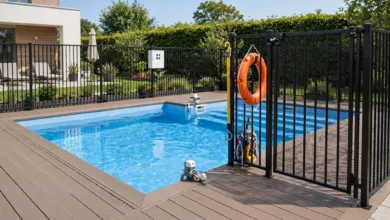
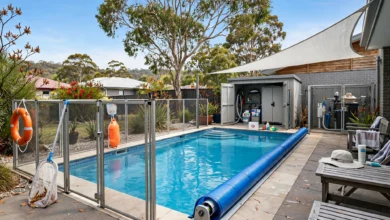
- A compliant pool barrier or fence at least 4 feet high with no gaps a child could crawl under or climb over.
- An approved safety pool cover meeting ASTM performance standards.
- Exit alarms on all doors and windows providing direct access to the pool area.
- Self-closing, self-latching doors with the release mechanism at least 54 inches above the floor.
- A pool alarm that detects unauthorized entry into the water.
If your home has a pet door leading directly to the pool area, it can actually void your home’s eligibility as a safety barrier, which is a detail a lot of homeowners miss when buying an existing property.
7. Don’t Assume a Screen Enclosure Meets Legal Requirements
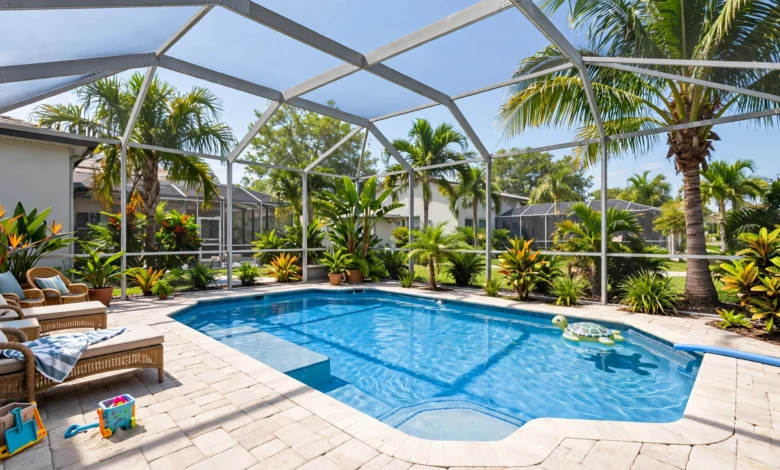
Many Florida homes have a screened pool enclosure, or lanai, and homeowners often assume that satisfies the safety barrier requirement. It doesn’t automatically. A screen enclosure needs to meet the same gap, height, and gate requirements as any other barrier to count as legal compliance. Enclosures do offer real benefits beyond legal compliance, though: they keep out insects and leaves, reduce splash-out during storms, and provide partial shade.
8. Prepare Your Pool Before Hurricane Season
Florida’s hurricane season runs from June 1 through November 30, and pool owners need a specific pre-storm routine. Before a storm approaches:
- Do not drain your pool. An empty pool shell can actually pop out of the ground when the surrounding water table rises, causing far more damage than storm debris in the water.
- Lower the water level slightly, by a few inches, to leave room for heavy rainfall without overflowing.
- Turn off electrical power to pumps, heaters, and lighting at the breaker.
- Remove and store loose deck furniture, umbrellas, and pool toys that could become projectiles.
- Add extra chlorine before the storm to help the water withstand a few days without normal circulation.
After the storm passes, don’t panic if your pool looks like a swamp. Run the pump, remove debris, test your chemistry, and shock the pool once power is restored. It typically takes a few days of consistent circulation to bring a storm-affected pool back to normal.
9. Keep an Eye on Calcium Hardness and Scale
Florida’s water supply tends to run high in minerals, which means calcium scale builds up on tile lines and equipment faster than in many other states. Left unaddressed, scale can damage heaters and clog plumbing. Test calcium hardness monthly and use a scale inhibitor or sequestrant if levels run consistently high, particularly in areas with well water or municipal water known for hardness.
10. Manage Debris From Florida’s Landscape
Palm fronds, seed pods, and pollen are a near-constant presence around Florida pools, especially during spring and after storms. A daily skim, even a quick two-minute pass with a net, prevents organic debris from sinking, decomposing, and feeding algae. If your yard has heavy tree cover near the pool, consider a robotic pool cleaner to handle the daily buildup automatically.
11. Watch Your Water Level During Both Extremes
Florida swings between two problems: evaporation during hot, dry stretches and overflow during heavy summer storms. Keep the water level roughly halfway up the skimmer opening. Too low, and your pump can run dry and burn out; too high, and the skimmer can’t pull surface debris effectively.
12. Service Your Equipment Before It Fails
Florida’s heat and humidity are hard on pumps, motors, and electrical connections. According to the Centers for Disease Control and Prevention, properly maintained pool equipment and consistent water treatment are core parts of preventing illness and injury connected to recreational water use. Have your pump, heater, and electrical connections inspected once or twice a year, and address unusual noises or reduced performance immediately rather than waiting for a full breakdown during peak season.
13. Adjust Your Routine Seasonally, Even Without a Winter
Florida doesn’t have a hard winter shutdown, but seasons still affect pool care:
- Summer – Peak usage, peak algae risk, and near-daily afternoon storms. Expect to test chemistry frequently.
- Fall – Milder temperatures, but falling leaves from deciduous trees increase debris.
- Winter – Many Floridians still swim regularly, but cooler nights slow chlorine demand slightly, so watch for over-chlorination if you don’t adjust dosing.
- Spring – Pollen season adds a fine yellow film to the water surface that needs extra skimming and filter attention.
14. Budget for Ongoing Maintenance, Not Just Repairs
Owning a pool in Florida comes with a real, recurring cost: chemicals, electricity for longer pump runtimes, and periodic equipment servicing. Many homeowners underestimate this and only budget for repairs when something breaks. A more realistic approach treats routine chemical purchases, filter cleaning supplies, and an annual equipment inspection as fixed costs, the same way you’d budget for lawn care.
15. Know When to Call a Professional
DIY maintenance works for most day-to-day tasks, but certain situations call for a licensed pool professional:
- Persistent algae blooms that don’t clear after shocking and brushing.
- Salt cell scaling or declining chlorine output in saltwater systems.
- Equipment issues involving electrical components, heaters, or major leaks.
- Bringing an older pool into compliance with current Florida safety barrier requirements.
Trying to troubleshoot electrical or structural issues yourself can be dangerous and, in some cases, make small problems significantly more expensive to fix.
Conclusion
Owning a pool in Florida comes with real advantages, near year-round swimming weather chief among them, but it also demands a maintenance and safety approach built for the state’s specific climate and legal requirements. From running your pump longer and testing chemistry after every storm, to understanding Florida’s residential pool safety barrier law and prepping your equipment before hurricane season, these swimming pool tips for homeowners in Florida cover the issues that generic pool care advice tends to miss. Stay consistent with the basics, know the legal requirements that apply to your property, and bring in a professional when a problem is outside your comfort zone, and your pool will stay a genuine asset rather than a source of stress.