10 Tips for Managing a Contractor During Renovation
Practical, proven tips for managing a contractor during renovation, covering communication, budgets, timelines, and avoiding disputes.
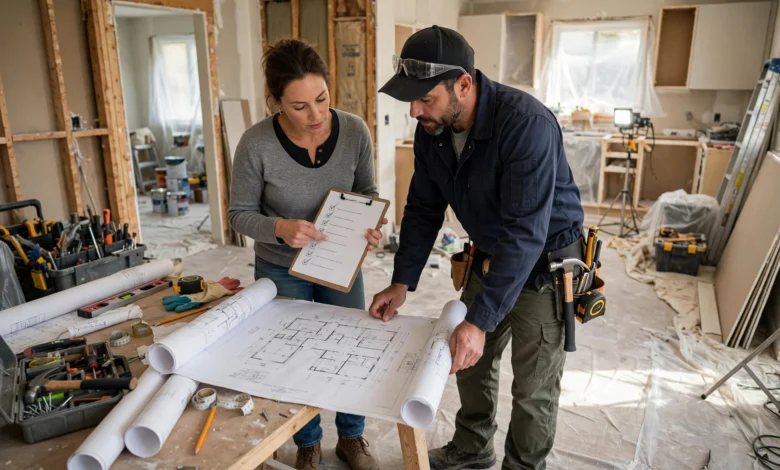
10 Proven Tips for Managing a Contractor During Renovation Without the Stress
Managing a contractor during renovation is where most homeowners either keep their project on track or watch it slowly spiral into delays, budget overruns, and frustration. Hiring the right contractor is only step one. What happens after the contract is signed, once demo starts and decisions need to be made on the fly, is what actually determines whether your renovation finishes on time and on budget.
A lot of homeowners assume that once they’ve picked a good contractor, the hard part is over. In reality, even the most skilled, reputable contractor needs clear communication, timely decisions, and a homeowner who understands their role in keeping the project moving. Miscommunication about materials, unclear change order processes, and inconsistent site access are some of the most common reasons renovations run long or go over budget, and none of them are really about the contractor’s skill level.
This guide walks through ten practical, proven strategies for managing a contractor during renovation, from setting up communication systems before work even starts to handling disagreements without derailing the entire project. Whether you’re renovating a single bathroom or overseeing a full home remodel, these tips apply the same way: clear expectations, consistent documentation, and steady communication are what keep a renovation running smoothly from the first day of demo to the final walkthrough.
Why Managing a Contractor Well Matters
Even a great contractor can’t read your mind. Renovations involve hundreds of small decisions, and delays often happen not because of skill gaps but because of unclear expectations between homeowner and contractor.
Good contractor management leads to:
- Fewer costly change orders from miscommunication
- A project that stays closer to the original timeline
- Better quality control, since issues get caught early
- A working relationship that stays professional even when problems come up
According to the National Association of the Remodeling Industry, communication breakdowns are among the top reasons renovation projects experience delays and budget overruns, more so than material shortages or weather. That puts a lot of the outcome in the homeowner’s hands, not just the contractor’s.
Tip 1: Set Clear Communication Expectations From Day One
Before work begins, agree on how you and your contractor will communicate throughout the project.


Choose a Primary Communication Method
Decide upfront whether updates will happen through:
- Text messages for quick daily updates
- Email for anything formal, like change orders or scheduling changes
- A project management app if the contractor uses one
- Weekly in-person or phone check-ins for bigger decisions
Having one clear primary channel prevents important details from getting lost between a text thread, a phone call, and a conversation on-site that nobody wrote down.
Set a Response Time Expectation
Ask your contractor how quickly they typically respond to questions, and set the same expectation for yourself. If a contractor needs a decision on tile within 48 hours to stay on schedule, know that ahead of time so you’re not the reason for a delay.
Tip 2: Put Everything in Writing
Verbal agreements are where renovation disputes almost always start. Even small conversations on-site should get documented afterward.
- Confirm verbal decisions with a follow-up text or email
- Keep every change order in writing, signed by both parties
- Save all receipts, invoices, and payment confirmations
- Take dated photos throughout the project, especially before walls or finishes are closed up
This documentation habit protects both you and the contractor if a disagreement comes up later about what was actually agreed to.
Tip 3: Understand the Payment Schedule and Stick to It
Most renovation contracts include a payment schedule tied to project milestones rather than a single lump payment.
Typical Payment Structure
- A deposit paid before work begins (often 10–30%, depending on state law)
- Progress payments tied to completed phases, like framing or rough plumbing
- A final payment held until the walkthrough and any punch list items are resolved
Paying on schedule, without delay, keeps the project moving and maintains a good working relationship. On the flip side, never pay ahead of completed work, since that removes your leverage if issues come up later.
Tip 4: Set Up a Realistic Timeline and Track It Together
Timelines shift during renovations, but that doesn’t mean they should be ignored. Ask your contractor for a written schedule broken into phases, and check in regularly against it.
- Request a rough week-by-week schedule at the start
- Ask for updates whenever the timeline shifts by more than a few days
- Understand which delays are outside the contractor’s control, like permit approval times or material backorders
- Keep track of delays that are within the contractor’s control versus external factors
This keeps expectations realistic on both sides and prevents the vague feeling that “things are taking forever” without any actual data behind it.
Tip 5: Make Decisions Quickly and Decisively
One of the most common ways homeowners unintentionally slow down their own renovation is by taking too long to decide on materials, finishes, or layout changes.
How to Speed Up Decision-Making
- Make major selections, like flooring, cabinets, and fixtures, before demo starts
- Set a personal deadline for smaller decisions, like paint colors or hardware
- Keep a shared decision log with your contractor so nothing gets forgotten
- Avoid changing your mind after materials have already been ordered, since this often triggers restocking fees and delays
A contractor can only move as fast as the decisions in front of them allow.
Tip 6: Understand the Change Order Process
Change orders are a normal part of almost every renovation, but they need a clear process to avoid confusion or disputes.
A solid change order should include:
- A description of the requested change
- The cost impact, including materials and labor
- The impact on the project timeline
- Signatures from both the homeowner and contractor before the work proceeds
Never agree to a change order verbally and assume it will “get sorted out later.” That’s exactly how billing disputes happen at the end of a project.
Tip 7: Manage Site Access and Daily Logistics
Contractors need consistent, predictable access to the work site to stay efficient. Homeowners can unintentionally slow things down by being inconsistent about access, especially in occupied homes.
- Agree on daily work hours and access arrangements upfront
- Designate a secure area for tools and materials
- Keep pets and children away from active work zones for safety
- Communicate in advance about any days the site won’t be accessible, like holidays or family events
Consistent access isn’t just a courtesy, it directly affects how efficiently the crew can work each day.
Tip 8: Handle Disagreements Professionally
Even well-managed renovations run into disagreements at some point, whether it’s about a delay, a quality issue, or a misunderstanding about scope.
Steps to Resolve Issues Calmly
- Address the issue as soon as you notice it, rather than letting it build up
- Refer back to the written contract and any signed change orders
- Ask for a clear explanation before assuming bad intent
- Put the resolution in writing once you reach an agreement
- If needed, involve a third party like a mediator before considering legal action
The Better Business Bureau notes that most contractor disputes are resolved faster and more successfully when both sides have kept clear documentation throughout the project, which reinforces why writing things down matters so much from day one.
Tip 9: Do Regular Walkthroughs
Don’t wait until the end of the project to inspect the work. Regular walkthroughs catch small issues before they become bigger, more expensive problems.
- Walk the site weekly, or at the end of each major phase
- Compare completed work against the original scope and plans
- Note any quality concerns immediately, rather than waiting
- Take photos during each walkthrough for your records
Catching a misaligned tile pattern or an incorrect fixture placement early is far easier and cheaper to fix than discovering it during the final walkthrough.
Tip 10: Plan for the Final Walkthrough and Punch List
The end of a renovation is just as important to manage as the beginning. Before making the final payment:
- Walk through the entire project with your contractor
- Create a punch list of any incomplete or unsatisfactory items
- Get a written timeline for when punch list items will be completed
- Confirm all required inspections have passed
- Request final lien waivers from the contractor and subcontractors before releasing final payment
Holding back final payment until the punch list is complete gives you leverage to make sure small details actually get finished, rather than being forgotten once the crew moves on to the next job.
Common Mistakes to Avoid When Managing a Contractor
Even with good intentions, homeowners often fall into a few recurring traps:
- Micromanaging every detail, which can slow down the crew and strain the relationship
- Avoiding difficult conversations, letting small issues build into bigger disputes
- Paying ahead of completed work, which removes your leverage
- Making frequent scope changes, which drives up costs and extends the timeline
- Not documenting verbal agreements, leaving room for disagreement later
Avoiding these patterns doesn’t mean being difficult to work with. It means being clear, consistent, and organized, which most contractors actually appreciate, since it makes their job easier too.
Frequently Asked Questions
How often should I communicate with my contractor during renovation? Most projects benefit from quick daily check-ins for active work and a more detailed weekly review of progress, budget, and upcoming decisions.
What should I do if my contractor falls behind schedule? First, ask for a clear explanation of the delay and whether it’s within their control. Review the written timeline together and agree on an updated schedule, documenting any changes in writing.
Is it normal to have change orders during a renovation? Yes, change orders are common, especially once walls are opened up and unexpected issues are discovered. What matters is that each change order is documented and approved in writing before the work proceeds.
How much should I pay upfront to a contractor? This varies by state law and project size, but a large upfront deposit before any work begins is a red flag. Payments tied to completed milestones protect you far better than a big deposit upfront.
What’s the best way to handle a disagreement with a contractor? Address it early, refer back to the written contract, and keep the conversation professional. Most disputes are resolved faster when both sides have documentation to refer back to, rather than relying on memory.
Conclusion
Managing a contractor during renovation comes down to communication, documentation, and timely decision-making on both sides. Set clear expectations for how you’ll communicate from day one, keep every agreement and change order in writing, and stick to the payment schedule tied to actual progress. Make decisions quickly, do regular walkthroughs to catch issues early, and handle disagreements professionally by referring back to your contract rather than assumptions. Following these ten tips won’t eliminate every hiccup that comes with a renovation, but it puts you in a much stronger position to keep the project on schedule, on budget, and on good terms with the person doing the work.