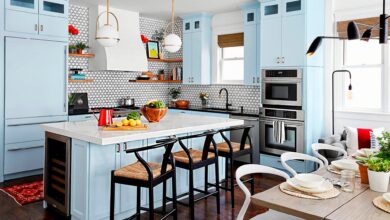
14 Popular Design Ideas for a Cozy Family Home
Cozy family home design doesn't happen by accident. Discover 14 practical, budget-friendly ideas to make every room warmer and more welcoming.
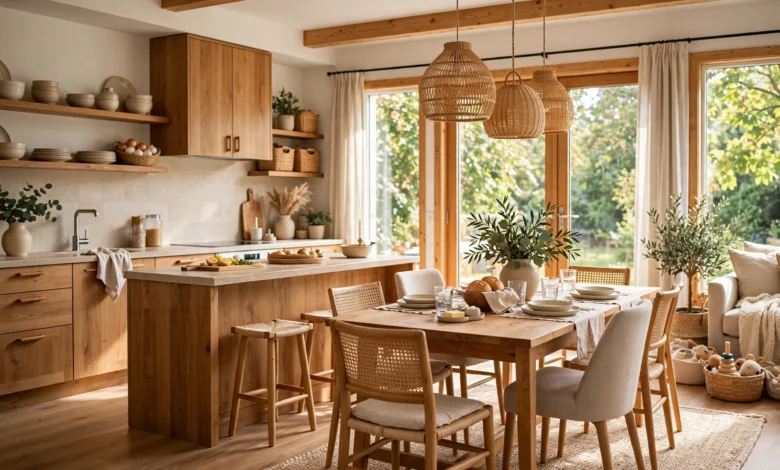
14 Popular Design Ideas for a Cozy Family Home
A cozy family home is built from small, deliberate choices, not a single big renovation. It’s the soft throw folded over the sofa arm, the warm bulb instead of the harsh one, the rug that makes bare feet want to stay a while longer. If your house looks fine but doesn’t quite feel like a place people want to linger, the problem usually isn’t your budget. It’s that the room hasn’t been designed to feel lived in.
This matters more than it sounds. A home that feels warm changes how a family actually uses it. Kids do homework at the kitchen table instead of hiding in their rooms. Guests stay for one more cup of coffee. Evenings slow down instead of everyone scattering to separate screens. Design has a real, measurable effect on how connected a household feels, and that’s worth paying attention to.
In this guide, we’re walking through 14 popular design ideas for a cozy family home, covering everything from lighting and texture to layout and color. None of these require a full remodel. Most can be done room by room, over a weekend or a few paychecks, depending on how far you want to take it. Whether you’re starting from scratch in a new house or slowly reworking a home you’ve lived in for years, these ideas will help you build a space that actually feels like yours.
1. Start With a Warm, Layered Color Palette
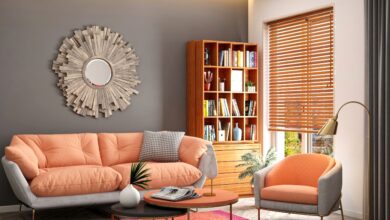
Color sets the emotional tone of a room before anything else does, so it’s the right place to start when planning a cozy family home. Cool grays and stark whites can look sharp in photos, but they often read as cold and unfinished in person, especially without enough furniture and texture to soften them.
- Choose warm neutrals like taupe, warm greige, ivory, or soft camel as your base wall color.
- Layer in earthy accent tones such as terracotta, sage green, rust, or deep olive through pillows, art, and small furniture pieces.
- Avoid painting every wall the same stark white; even a slightly warmer white (with beige or yellow undertones) makes a noticeable difference.
- If you want drama, a deep charcoal, forest green, or navy accent wall can make a room feel like a cocoon rather than a cave, as long as it’s balanced with lighter furniture and good lighting.
The goal isn’t to avoid color, it’s to avoid flatness. A warm color palette gives every other design choice something to work with.
2. Layer Your Lighting Instead of Relying on One Overhead Fixture
Most homes rely on a single ceiling light per room, and that’s usually why the space feels harsh and clinical after dark. Good home lighting design works in layers, the same way a stylist layers clothing.
- Ambient lighting: your general overhead source, dimmed whenever possible.
- Task lighting: reading lamps, under-cabinet kitchen lights, desk lamps.
- Accent lighting: candles, string lights, or small table lamps that add warmth to corners the overhead light misses.
Switch to warm-toned bulbs (around 2700K to 3000K) instead of cool white or daylight bulbs, since color temperature has a direct effect on how relaxed a space feels. The U.S. Department of Energy has useful guidance on choosing efficient bulbs that still deliver warm, comfortable light without driving up your electricity bill.

3. Bring in Natural Materials and Textures
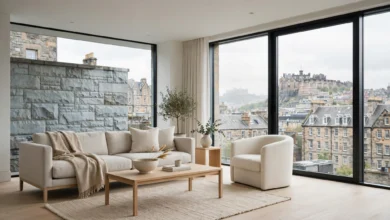
Texture is what separates a showroom from a home. Wood, wool, linen, rattan, and stone all carry warmth that plastic, glass, and glossy laminate simply don’t. When you’re building a cozy family home, natural materials should show up in almost every room.
- Swap a glass or metal coffee table for one in solid wood or rattan.
- Add a chunky knit throw and a couple of textured pillow covers, like boucle, linen, or wool.
- Choose a jute or wool area rug over a flat, synthetic one.
- Use woven baskets for storage instead of plastic bins.
Mixing textures also does something subtle but important: it makes a neutral room feel rich instead of empty, even without a lot of color.
4. Anchor the Living Room With a Comfortable Sectional or Sofa
Seating drives how a family room actually gets used. A stiff, overly formal sofa discourages people from settling in, while a deep, comfortable sectional practically invites a Sunday afternoon nap. This is one of the most important family room ideas on this list because seating shapes behavior more than any decorative choice.
- A U-shaped or L-shaped sectional works well for larger families who need room for everyone during movie nights.
- Choose performance fabric if you have kids or pets. It resists stains and holds up to daily wear far better than delicate upholstery.
- Add an upholstered ottoman instead of a sharp-edged coffee table for both comfort and safety.
- Angle furniture toward a focal point, whether that’s a fireplace, a TV, or simply toward the center of the room, so conversation feels natural instead of forced.
5. Create a Fireplace or Cozy Focal Point
Not every home has a working fireplace, but every home benefits from having one clear focal point that pulls the room together. Traditionally, that’s a fireplace, and for good reason. A fireplace design anchors the room both visually and emotionally.
- If you have a real fireplace, style the mantel simply: candles, a mirror, a few framed photos, nothing cluttered.
- No fireplace? An electric insert, a media console with a linear heater, or even a well-arranged bookshelf wall can serve the same anchoring purpose.
- Group your seating around this focal point rather than against the walls, which keeps the room feeling intentional instead of scattered.
6. Add Soft Textiles Throughout the Home
This is the fastest, cheapest way to make any room feel warmer, and it’s often overlooked in favor of bigger furniture purchases. Soft textiles do a lot of emotional work for very little money.
- Layer two or three throw pillows in different textures and sizes rather than one matching set.
- Keep a folded blanket on every sofa and armchair, not just the main one.
- Add curtains, even in rooms with good natural light. Fabric softens hard window lines and absorbs sound, which makes a room feel calmer.
- Choose a plush bath mat and towels in the bathroom; hotels use this trick for a reason.
7. Use a Neutral Backdrop With Nature-Inspired Accents
If a full color overhaul feels overwhelming, start with a neutral backdrop and build outward. A calm base of ivory, taupe, or soft gray gives you room to bring in nature-inspired tones like sage, terracotta, or washed indigo without the space feeling busy.
- Keep large furniture pieces (sofas, rugs, curtains) in neutral tones.
- Introduce color through smaller, swappable items like pillows, throws, and art.
- Add live plants. Beyond the visual softness, greenery has been linked to improved mood and lower stress, which fits directly into the goal of a cozy family home.
8. Design for Gathering, Not Just for Looks
A room can be beautifully decorated and still feel cold if it isn’t laid out for people to actually spend time together. This is where interior design and family life intersect most directly.
- Arrange seating in a loose circle or U-shape rather than lining furniture along the walls.
- Keep a coffee table or ottoman within reach of every seat, so no one has to get up for their drink or plate.
- Set aside a designated spot for games, puzzles, or homework, even if it’s just a corner with a small table.
- If space allows, create a reading nook with a single comfortable chair, a lamp, and a small side table.
9. Bring Personality In With Personal Touches
A common mistake when chasing a designer look is stripping out anything personal in favor of matching decor sets. Ironically, that’s what makes a home feel less cozy, not more. Personal touches are what separate a cozy family home from a furniture showroom.
- Display framed family photos instead of stock art.
- Keep a shelf for kids’ artwork, trophies, or handmade items.
- Mix in secondhand or vintage finds alongside newer pieces; a little imperfection reads as authenticity, not clutter.
- Don’t be afraid to let collections (books, records, travel souvenirs) be visible rather than hidden away.
10. Add Smart, Attractive Storage
Clutter is one of the fastest ways to undo cozy design, no matter how good the color palette or furniture is. But storage doesn’t have to look clinical to be functional.
- Use woven baskets, wooden crates, or fabric bins instead of plastic totes for toys, blankets, and games.
- Choose furniture that pulls double duty, like an ottoman with hidden storage or a bench with cubbies by the entryway.
- Built-in shelving around a fireplace or window adds both storage and visual warmth when styled with books and a few decorative objects.
- Keep surfaces about 80% clear; a little breathing room on countertops and tables makes the whole space feel calmer.
11. Mix Furniture Shapes and Angles
A room filled entirely with sharp, rectangular furniture can feel stiff, even if every piece is comfortable on its own. Mixing shapes brings movement and softness into the design.
- Pair a rectangular sofa with a round coffee table.
- Add a curved accent chair or an organically shaped side table.
- Choose lamps and mirrors with soft, rounded silhouettes to balance out straight furniture lines.
- A single curvy or asymmetrical piece is often enough to soften an entire room without a full furniture overhaul.
12. Use a Statement Rug to Ground the Room
A large area rug does more than protect flooring. It defines the seating area, adds warmth underfoot, and gives the whole room a sense of intention. Skipping the rug, or choosing one that’s too small, is one of the most common reasons a living room feels unfinished.
- Size the rug so at least the front legs of your major furniture pieces sit on it.
- Choose wool or a wool blend for the best combination of softness and durability.
- Patterned or textured rugs hide everyday wear better than flat, solid ones, which matters in a busy family household.
13. Bring the Kitchen Into the Cozy Equation
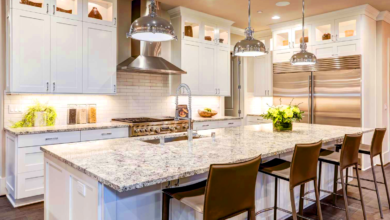
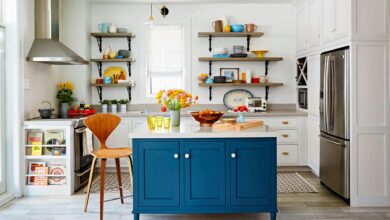
The kitchen is often the true heart of a family home, even more than the living room, so it deserves the same warm design treatment. A cold, all-white, all-hardware kitchen can feel more like a showroom than a place to actually cook and gather.
- Add warm wood open shelving or a butcher block section to break up cabinetry.
- Use warm-toned pendant lighting over the island or table.
- Keep a small seating area, even just two stools, so people naturally gather there while food is being made.
- Add a runner rug in front of the sink for both comfort and warmth underfoot.
14. Let the Bedrooms Feel Like Retreats
Cozy design shouldn’t stop at the shared spaces. Bedrooms, especially kids’ rooms, benefit just as much from the same warm, layered approach, since they’re where everyone starts and ends their day.
- Choose soft, breathable bedding in warm neutrals or gentle color palettes.
- Add a reading lamp beside the bed instead of relying only on an overhead light.
- Layer a rug over hardwood or laminate flooring for warmth underfoot in the morning.
- Keep window treatments soft and light-filtering rather than stark blinds alone.
According to interior design resources like Architectural Digest, warmth in a home comes from a combination of texture, lighting, and personal detail working together, not from any single statement piece. That’s really the throughline across all 14 ideas here: cozy family home design is cumulative. Each choice adds a little more warmth, and together they change how the whole house feels to live in.
Final Thoughts
Building a cozy family home isn’t about spending a fortune or following one specific style. It comes down to layering warm colors, soft textures, and good lighting, then adding furniture and layouts that actually encourage people to gather, and finishing it off with the personal touches that make a house feel like yours instead of a catalog page. Start with one or two rooms, focus on lighting and textiles first since they offer the biggest visual return for the least effort, and build outward from there. Over time, these small, intentional choices add up to a home that doesn’t just look good in photos, but genuinely feels good to live in every single day.