Design Ideas That Instantly Upgrade Any American Home
Practical design ideas that instantly upgrade any American home, from kitchens to curb appeal, without a full renovation.
Introduction
Design ideas that make a real difference don’t always require a full renovation. Across the country, homeowners are finding that a handful of well-chosen changes, a kitchen refresh, a warmer color palette, a smarter layout, can transform how a home looks and feels without touching the foundation.
This matters more now than it used to. Renovation budgets are being spent more carefully, and homeowners are prioritizing upgrades that pay off in daily life and in resale value, not just in photos. Kitchens remain the top remodel priority nationwide, flexible layouts are replacing rigid floor plans, and outdoor living space is now treated as an extension of the home rather than an afterthought.
This article covers ten design ideas that genuinely upgrade an American home, whether you’re in a Craftsman bungalow in Portland, a Cape Cod on the East Coast, or a modern build in the Sun Belt. Each section explains what the idea involves, why it works, and how to apply it without overspending. Some of these are weekend projects. Others are bigger investments worth planning around. All of them are grounded in what’s actually working for homeowners right now, not fleeting trends that will look dated in a year or two.
Why Small Design Changes Make a Big Difference
Homeowners often assume a meaningful upgrade means a major renovation, but that’s rarely true. The right design ideas, applied in the right order, can change how a home functions and feels far more than their cost suggests.
A few reasons this approach works:
- Targeted upgrades, like kitchens and primary bathrooms, consistently deliver the strongest return on investment
- Cosmetic changes such as paint, lighting, and hardware are low-cost but high-impact
- Functional improvements, like better storage or flexible layouts, improve daily life immediately
- Smaller projects can be sequenced over time without disrupting the whole household at once
1. Refresh the Kitchen Without a Full Remodel
Kitchens remain the most requested remodel across the country, but a full renovation isn’t always necessary to get a meaningful upgrade. Repainting or refacing cabinets, swapping hardware, and updating the backsplash can transform a kitchen for a fraction of a full remodel’s cost.
Consider:
- Painting cabinets in a warmer, more natural tone instead of stark white
- Swapping outdated hardware for brushed bronze or blackened steel finishes
- Adding a statement backsplash tile as a focal point
- Replacing a single outdated appliance rather than the whole suite
2. Bring in Warmer, Layered Color Palettes
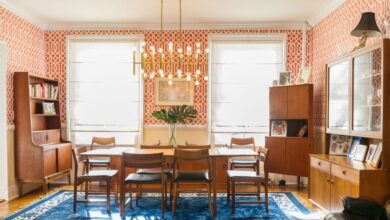
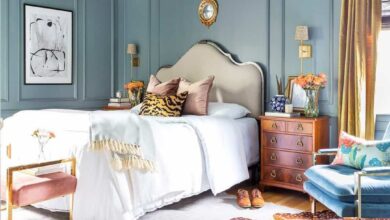
All-gray interiors have had a long run, and homeowners are now moving toward warmer color palettes built around deep beige, moody green, and earthy neutrals with layered textures.
Practical ways to apply this:
- Repaint a single room in a warm neutral before committing to a whole-house change
- Add wood accents and natural materials to soften a cool, monochrome space
- Mix in small touches of color, like gold or blue accessories, against a neutral base
- Choose paint finishes that add depth, rather than flat, single-tone walls
3. Add Flexible, Multi-Functional Rooms
As hybrid work continues to shape how Americans live, flexible layouts have become one of the most valuable design ideas a homeowner can apply. A home office that doubles as a guest room, or a dining area that shifts into workspace, adds real functional value.
Common approaches include:
- Converting an underused formal dining room into a hybrid office and guest space
- Using furniture, like a daybed or fold-down desk, that supports more than one function
- Creating distinct zones within an open room using rugs, lighting, or furniture placement
- Designing storage that supports quick transitions between uses
4. Improve Indoor-Outdoor Flow
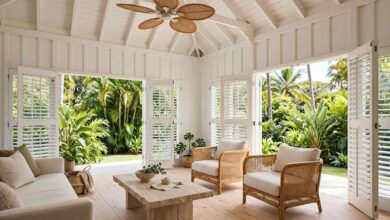
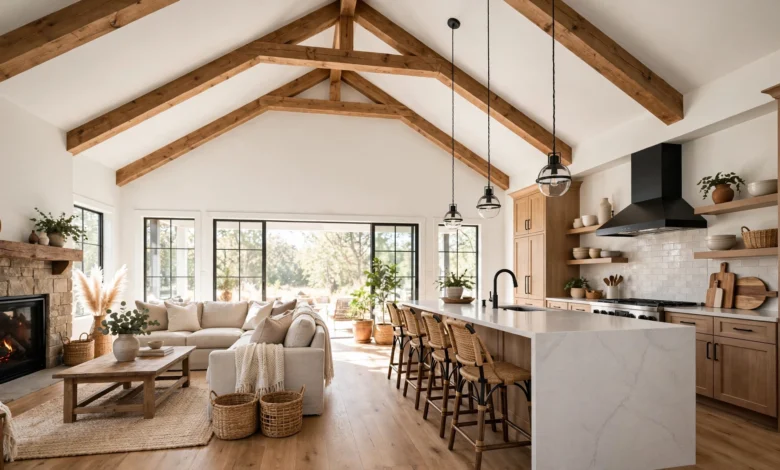
Outdoor living space is increasingly treated as a genuine extension of the home rather than a separate area. Indoor-outdoor design ideas like sliding glass walls, covered patios, and built-in grills are among the highest-value additions homeowners are making.
Ideas to consider:
- Sliding or large panel doors that open a living area directly onto a patio
- A covered outdoor space wired for entertainment and usable through more of the year
- Built-in outdoor kitchens or grill stations for regular entertaining
- Landscaping that softens the transition between indoor and outdoor materials
5. Prioritize Energy-Efficient Upgrades
Energy efficiency has moved from a nice-to-have to a genuine priority for most homeowners, both for monthly savings and long-term home value. Energy-efficient design choices are among the most practical upgrades available.
Worth prioritizing:
- Smart thermostats that adjust automatically based on occupancy and schedule
- LED lighting throughout, which reduces both energy use and bulb replacement frequency
- Improved attic and wall insulation, especially in older homes
- ENERGY STAR-certified appliances, which meet independently verified efficiency standards
The U.S. Environmental Protection Agency maintains detailed, up-to-date guidance on which upgrades deliver the strongest efficiency gains for a given climate and home type. You can review current recommendations through the ENERGY STAR program.
6. Reconsider Your Staircase
An often-overlooked design idea gaining real traction is the staircase. Homeowners are moving away from stark white risers and toward statement stair runners, refinished treads, and more colorful, characterful staircase design.
This includes:
- Installing a patterned or colorful stair runner instead of bare treads
- Refinishing worn staircases rather than replacing them outright
- Using the staircase as a place for personality, art, or bold color that the rest of the home may not suit
- Pairing staircase updates with improved lighting to highlight the change
7. Choose Reclaimed and Natural Materials
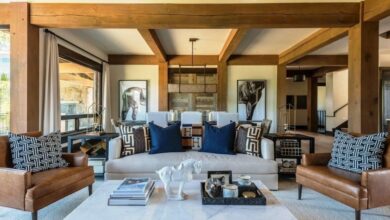
A move away from artificial finishes toward reclaimed and natural materials is shaping both interior and exterior design ideas this year. This isn’t just an aesthetic choice, it also reduces waste and adds character that’s difficult to replicate with new materials.
Options include:
- Reclaimed wood for accent walls, shelving, or furniture
- Natural stone or brick detailing on exteriors and fireplaces
- Cork or reclaimed brick flooring in high-traffic areas
- Vintage or antique pieces mixed with newer furniture for a layered, collected look
8. Plan for Flexible, Multigenerational Living
Multigenerational living and aging-in-place design have become mainstream priorities rather than niche considerations. Many homeowners are proactively building accessible design into renovations, even before it’s strictly needed.
Practical features include:
- Curbless showers and grab bars in bathrooms, designed to look intentional rather than clinical
- Single-level living areas or at minimum a bedroom and full bathroom on the main floor
- Wider walkways and doorways to accommodate mobility aids
- Accessory dwelling units (ADUs) or basement conversions for in-law suites or rental income
9. Integrate Smart Technology Thoughtfully
Smart home technology continues to expand, but the most effective design ideas integrate it quietly rather than making it the centerpiece of a room. Hidden charging stations, connected lighting, and built-in tech upgrades are increasingly expected by buyers.
Consider:
- Hidden or built-in charging stations integrated into cabinetry or furniture
- Smart lighting that adjusts by time of day without visible control panels
- Connected security systems, including video doorbells and smart locks
- Whole-home audio or entertainment wiring planned during a renovation rather than added later
10. Update Curb Appeal With Timeless Architecture
Traditional American architectural styles, Cape Cod, Craftsman, and Farmhouse, are seeing a genuine resurgence, reimagined with cleaner lines and more natural materials rather than the ornate detailing of decades past.
Ways to apply this to an existing home:
- Simplify overly ornate trim or add purposeful, clean-lined trim where it’s missing
- Use natural materials like stone, wood, and brick rather than synthetic siding where budget allows
- Choose a warmer, more natural exterior color palette instead of stark white or gray
- Add a functional front porch or entry feature that reflects the home’s original architectural style
A Quick Prioritization Guide
With limited time or budget, it helps to prioritize design ideas by impact:
- Start with paint, lighting, and hardware, the lowest-cost, highest-impact changes
- Move to kitchen and bathroom refreshes, which consistently offer the best return
- Address energy efficiency upgrades, which pay for themselves over time
- Plan larger structural changes, like ADUs or layout changes, only once the basics are handled
For a broader look at what’s currently resonating with homeowners and designers nationally, Houzz publishes ongoing research into which design trends are gaining traction across different regions and home styles. You can explore their findings through Houzz’s home design research.
Conclusion
Upgrading an American home doesn’t require a complete overhaul to make a real difference. The design ideas covered here, from kitchen refreshes and warmer color palettes to energy-efficient upgrades, flexible layouts, and timeless curb appeal, show that thoughtful, well-sequenced changes can transform how a home functions and feels. Whether you’re working through a full renovation plan or picking off a few weekend projects, prioritizing the changes that offer the most day-to-day value and the strongest long-term return will make every dollar spent count.