How to Know When It’s Time to Replace Your Roof
How to know when it's time to replace your roof: the key warning signs, age limits, and costs homeowners need to watch for.
How to Know When It’s Time to Replace Your Roof
How to know when it’s time to replace your roof is one of those questions most homeowners only start asking once something has already gone wrong, a stain on the ceiling, a shingle in the yard after a storm, or a roofer’s estimate that suddenly puts the topic front and centre. The trouble is, by the time the signs are obvious, you’re often already dealing with water damage, and the decision has stopped being about planning ahead and started being about damage control.
This guide walks through the actual warning signs worth watching for, from roof age and shingle condition to less obvious indicators like rising energy bills and sagging decking. We’ll also cover how roofing material affects lifespan, what a professional inspection typically involves, and how to weigh repair against full replacement when the answer isn’t immediately obvious.
Your roof is the single largest barrier between your home and the weather, so getting this decision right matters more than most home maintenance calls. Wait too long and you risk structural damage, mould, and a much larger bill than a planned replacement would have cost. Replace too early and you’re spending money you didn’t need to. The goal of this article is to help you find that middle ground: recognising the signs early enough to plan a replacement on your terms, rather than being forced into an emergency decision after a leak has already done damage.
Why Knowing the Signs Matters
A roof doesn’t fail all at once. It deteriorates gradually, and most of that deterioration happens somewhere you can’t easily see, in the underlayment, the decking, and the flashing rather than on the visible surface. That’s exactly why learning how to know when it’s time to replace your roof matters: by the time damage is obvious from the ground, there’s a good chance it’s already affected more than just the shingles.
Catching the signs early gives you a few real advantages:
- Lower overall cost. A planned replacement is almost always cheaper than emergency repairs after a leak has caused interior damage.
- Better scheduling and pricing. Booking a roofer on your own timeline, rather than during a storm-driven rush, usually gets you better availability and pricing.
- Protection for the rest of the home. Roof failures can lead to mould, insulation damage, and even structural issues if water gets into the decking or walls.
- Improved energy efficiency. An ageing, damaged roof often lets conditioned air escape, quietly driving up heating and cooling costs.
1. Check Your Roof’s Age First
Age is the single most reliable predictor of when a roof will need replacing, even if it looks fine from the street. Most asphalt shingle roofs last around 20 to 25 years, though the exact figure depends on material quality, installation, and local climate.
A rough guide to typical roofing material lifespans:
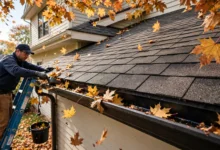

- Asphalt shingles: 20–25 years
- Wood shakes: 25–30 years
- Metal roofing: 40–70 years
- Clay or concrete tiles: 50+ years
- Slate roofing: 75–100+ years
If you don’t know your roof’s exact age, check your home purchase documents, ask the previous owner, or look at permit records with your local building department. If your roof is approaching or has passed the upper end of its expected lifespan, that alone is a strong reason to start planning for replacement, even without visible damage.
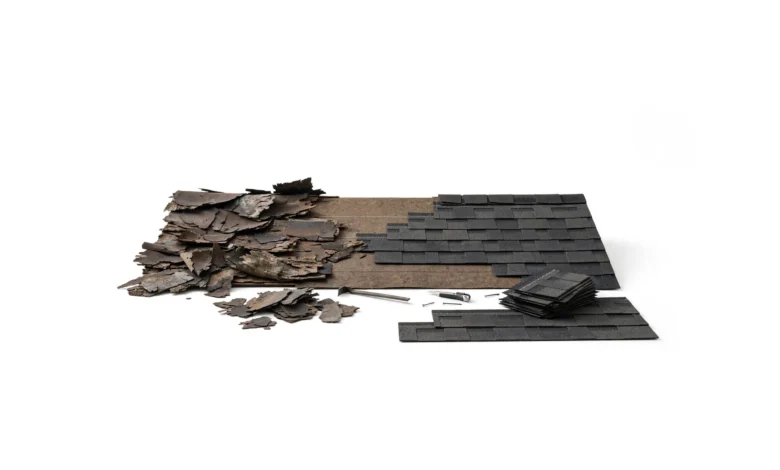
2. Look for Curling, Cracking, or Missing Shingles
Shingle condition is usually the clearest visual sign that a roof is nearing the end of its life. Walk around your property and look up from a few different angles, or use binoculars rather than climbing onto the roof yourself.
Watch for:
- Curling or buckling shingles, which often means the shingles have lost flexibility and are no longer sealing properly against wind and rain
- Cracked or split shingles, particularly after temperature swings or storms
- Missing shingles, which leave the underlayment directly exposed to the elements
- Bald patches where granules have worn away, leaving the shingle’s asphalt base visible
Any one of these on its own might just need a spot repair. Widespread across the roof, they usually point toward full replacement.
3. Check Your Gutters for Granule Loss
Asphalt shingles are coated with protective granules that shield them from UV rays and weather. Some granule loss is normal, especially on a newer roof settling in, but a heavy, ongoing accumulation in your gutters is a warning sign worth acting on.
- A light dusting of granules is expected wear and tear, particularly in the first year or two
- Large amounts, especially after every rainfall, usually indicate the shingles are aging out and losing their protective coating
- Bald spots on the shingles themselves, visible from the ground, confirm the same issue
Once granule loss becomes significant, the shingles beneath are exposed to sun and moisture directly, which accelerates further deterioration.
4. Watch for Sagging or Uneven Rooflines
A sagging or wavy roofline is one of the more serious signs on this list, since it usually points to a structural issue rather than a surface-level problem.
- Step back and view your roof from across the street, checking for dips, waves, or uneven sections along the ridge and slopes
- Sagging is often caused by weakened decking, moisture damage, or excess weight from multiple layers of old roofing material
- This is not something to leave for a routine inspection; a sagging roof should be assessed by a professional promptly, since it can indicate the roof is at risk of further structural failure
5. Check for Water Stains and Leaks Inside the Home
Interior signs are just as important as what you can see from outside, and in some cases more telling, since they confirm water is already getting through.
- Water stains on ceilings or upper walls, particularly in rooms directly below the roofline
- Peeling paint or bubbling drywall, which often indicates moisture trapped behind the surface
- Musty odours or visible mould, especially in attic spaces or upper closets
- Daylight visible through the attic roof boards, which points to gaps or damage significant enough to let light through
If you have attic access, it’s worth checking periodically, particularly after major storms. Small amounts of light through vents or gable openings are normal, but noticeable beams of daylight or damp insulation are not.
6. Inspect Flashing Around Chimneys, Vents, and Valleys
Roof flashing seals the joints where your roof meets chimneys, vent pipes, skylights, and valleys, and it’s a common failure point even on roofs that otherwise look fine.
Signs of failing flashing include:
- Cracks, dents, or visible bending in the metal
- Rust spots, particularly around chimneys and vent stacks
- Flashing that has come loose or is missing sections entirely
Flashing issues can sometimes be repaired without a full roof replacement, but if flashing failure has already led to water intrusion, it’s worth having a roofer assess whether the surrounding roofing material has also been compromised.
7. Notice Rising Energy Bills
An often-overlooked sign is a gradual increase in heating and cooling costs that isn’t explained by anything else in the home. An ageing or damaged roof can allow conditioned air to escape and outside air to seep in, forcing your HVAC system to work harder.
If your energy bills have crept up over a year or two with no other clear cause, it’s worth having your roof and attic insulation checked together, since the two are closely linked.
8. Factor in Storm and Wind Damage
Severe weather can shorten a roof’s usable life significantly, even if the roof was otherwise in good condition beforehand. According to Angi’s guide on warning signs your roof needs replacing, inspecting your roof after major storms and comparing its condition to neighbouring homes of a similar age can help you catch problems before they escalate into leaks.
After any significant storm, check for:
- Shingles displaced or torn off by wind
- Dents from hail, particularly on metal flashing and vents
- Debris damage from fallen branches or blown debris
- Any new leaks that appear shortly after the storm
9. Watch for Moss, Algae, and Excessive Growth
A small amount of moss or algae doesn’t necessarily mean your roof needs replacing, but heavy, persistent growth can be a sign of trapped moisture, which shortens a roof’s remaining lifespan.
- Moss can lift shingle edges as it grows, allowing water to get underneath
- Dark streaking is often algae rather than dirt, and while mostly cosmetic on its own, it can indicate a consistently damp roof surface
- Heavy growth across large sections of the roof is worth having assessed, particularly on older roofs already nearing the end of their expected lifespan
10. Compare Repair Costs to Replacement Costs
At a certain point, the cost of ongoing repairs starts to outweigh the value of patching an ageing roof. A few questions worth asking before committing to another repair:
- How many separate repairs has this roof needed in the past two to three years?
- Is the roof already near or past its expected material lifespan?
- Would this repair address the underlying issue, or just the visible symptom?
- Does your roofer’s estimate suggest the decking or underlayment may also need attention?
If you’re repeatedly paying for patch jobs on a roof that’s already old, a full replacement is often the more cost-effective decision over a five-to-ten-year horizon, even though the upfront cost is higher.
11. Get a Professional Roof Inspection
Even a careful visual check from the ground has limits. A professional inspection can identify problems that aren’t visible without walking the roof directly, including early-stage decking damage, subtle flashing failures, and ventilation issues that shorten roof lifespan. As Amica Insurance notes in its guide to roof replacement signs, viewing your roof from across the street and from multiple angles is a useful first step, but a hands-on inspection gives a far more complete picture before you commit to a repair or replacement decision.
Most professional inspections check:
- Shingle condition and granule loss across the entire roof, not just visible sections
- Flashing integrity around every penetration point
- Decking condition from the attic side, where accessible
- Ventilation adequacy, since poor attic ventilation accelerates roof wear
- Gutter and drainage function, which affects how well water is directed away from the roofline
12. Plan Replacement Timing Strategically
If your inspection confirms replacement is the right call, timing the project can affect both cost and installation quality.
- Moderate seasons typically offer the best conditions for shingles to seal properly and for roofing crews to work efficiently
- Peak season booking often means higher prices and longer wait times, so scheduling outside the busiest months can help with both cost and availability
- Avoid waiting through an entire wet season on a roof you already know needs replacing, since ongoing exposure increases the risk of interior damage in the meantime
Frequently Asked Questions
How often should a roof be replaced? Most asphalt shingle roofs need replacing every 20 to 25 years, though this varies by material, climate, and installation quality.
Can a roof be repaired instead of fully replaced? Often, yes, particularly for isolated issues like a single damaged flashing point or a small area of missing shingles. Widespread damage or a roof near the end of its expected lifespan usually points toward full replacement instead.
What’s the most reliable sign that a roof needs replacing? Roof age combined with widespread shingle deterioration is the most reliable combination. Age alone doesn’t guarantee failure, but a roof near or past its material lifespan with visible wear should be professionally assessed.
Is it worth getting a professional inspection if I don’t see obvious damage? Yes. Many roof problems start below the visible surface, and a professional inspection can catch issues like decking damage or ventilation problems before they show up as leaks.
Conclusion
How to know when it’s time to replace your roof comes down to combining a few reliable indicators rather than relying on a single sign. Roof age, shingle condition, granule loss, sagging, interior water stains, and rising energy bills all point in the same direction when a roof is genuinely nearing the end of its life. Catching these signs early, and following up with a professional inspection when something looks off, gives you the chance to plan a replacement on your own schedule rather than reacting to an emergency. Given how much your roof protects the rest of your home, staying alert to these warning signs is one of the most cost-effective habits a homeowner can maintain.