Roof Replacement Costs Homeowners Should Expect in Florida
Roof replacement cost in Florida varies by material, size, and storm codes. See real price ranges and what drives your final bill.
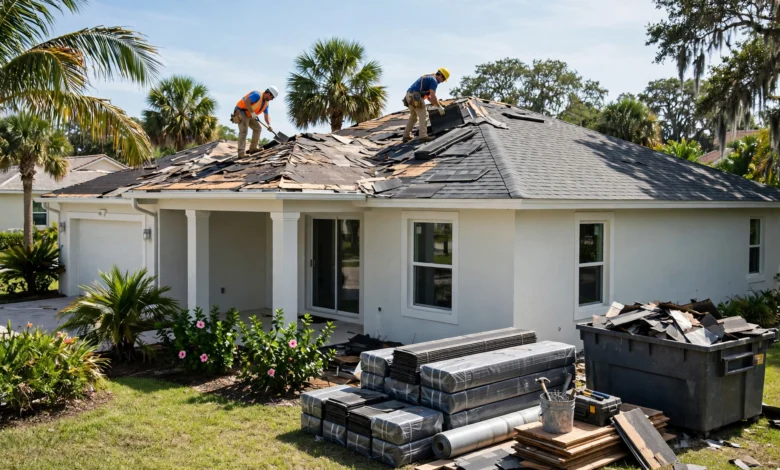
Roof Replacement Cost in Florida: 7 Critical Facts Homeowners Must Know in 2026
Roof replacement cost in Florida is one of the first numbers homeowners search for the moment they spot a leak, a missing shingle, or a “your roof is past its life expectancy” note from an insurance inspector. And for good reason. A new roof in Florida isn’t just a home improvement, it’s often a requirement for keeping your homeowners insurance in force, especially after a named storm or once a roof crosses the 15 to 20 year mark that many carriers use as a cutoff.
What makes Florida different from almost anywhere else in the country is the building code. The state’s wind-load and uplift requirements, put in place after Hurricane Andrew, mean roofs here are built (and priced) differently than roofs in Ohio or Colorado. You’re not just paying for materials and labor, you’re paying for a system engineered to survive 120+ mph winds, and that changes the math.
In this guide, we’ll walk through what actually drives the cost of roof replacement in Florida, how pricing breaks down by material, region, and roof size, what permits and inspections add to the bill, and how to avoid the mistakes that turn a $12,000 job into an $18,000 one. Whether you’re in Tampa, Orlando, Jacksonville, or the Keys, the numbers below reflect what homeowners are actually paying right now.
Average Roof Replacement Cost in Florida
Statewide, most homeowners pay somewhere between $8,500 and $22,000 for a full roof replacement, with the typical project landing around $12,000 to $15,000 for a standard 2,000 square foot single-family home using asphalt shingles. That range moves quickly once you factor in roof pitch, the number of layers being torn off, and whether your home needs additional structural work to meet current wind codes.
Here’s a general breakdown by material, based on a mid-size Florida home:
- Asphalt shingles: $4.50 to $7.50 per square foot ($9,000–$15,000 total)
- Metal roofing: $9 to $16 per square foot ($18,000–$32,000 total)
- Tile roofing (clay or concrete): $12 to $22 per square foot ($24,000–$44,000 total)
- Flat/low-slope roofing (TPO, modified bitumen): $6 to $12 per square foot ($12,000–$24,000 total)
These figures include tear-off, disposal, underlayment, flashing, and standard permitting, but not major decking repairs or code-driven upgrades, which we’ll cover below.
What Drives Roof Replacement Cost in Florida
Florida homeowners often get quoted numbers that don’t match what a friend in another state paid, and the gap usually comes down to a handful of local factors.
Hurricane Building Codes and Wind Mitigation
Since the Florida Building Code was overhauled after Hurricane Andrew, roofs in wind-borne debris regions (basically anywhere within about a mile of the coast) must meet stricter uplift resistance standards. This typically means:
- Secondary water barriers (peel-and-stick underlayment instead of felt paper)
- Enhanced nailing patterns, sometimes ring-shank nails at closer spacing
- Hurricane straps or clips connecting the roof deck to the wall framing
- Impact-rated materials in high-velocity hurricane zones (parts of Miami-Dade and Broward)
These requirements add real cost, generally $1,000 to $3,000 more than a comparable roof in a state without hurricane codes, but they also qualify homeowners for wind mitigation discounts on insurance that can offset the difference within a few years.
Roof Size, Pitch, and Complexity
Cost is usually quoted per “square” (100 square feet of roof area). A steep pitch, multiple valleys, dormers, or a roofline with a lot of cuts and angles all increase labor time and material waste, which pushes the price per square higher even if the total footprint is the same as a simple gable roof.
Material Choice
This is the single biggest swing factor. Asphalt shingles remain the most affordable and most common choice in Florida, but metal and tile are increasingly popular for their longevity and wind resistance, even though they cost two to three times more upfront.
Tear-Off and Decking Repairs
If your roof has multiple layers of old shingles, or if the plywood decking underneath has rotted from long-term leaks, that adds labor and material costs that aren’t always visible until the old roof comes off. Contractors typically build in a decking repair allowance, often priced around $70 to $120 per sheet of replacement plywood.
Permits and Inspections
Florida counties require a roofing permit for any full replacement, and most also require a mid-job inspection (dry-in) plus a final inspection. Permit fees vary by county but generally run $150 to $600, and this is a cost that should already be baked into a legitimate contractor’s quote, not an add-on discovered later.
Roof Replacement Cost by Region in Florida
Pricing isn’t uniform across the state. Coastal and high-wind-zone counties tend to run higher due to stricter code requirements and higher labor demand.
- South Florida (Miami-Dade, Broward, Monroe): Highest costs statewide due to High-Velocity Hurricane Zone (HVHZ) rules requiring impact-rated materials and enhanced fastening. Expect 15–25% above the state average.
- Central Florida (Orlando, Tampa, Lakeland): Moderate costs, strong contractor competition keeps pricing closer to the statewide average.
- North Florida (Jacksonville, Tallahassee): Generally the most affordable region, with less stringent wind zone requirements inland.
- Southwest Florida (Naples, Fort Myers, Sarasota): Higher than the state average, driven up by post-hurricane demand surges after storms like Ian and Milton.
Roof Replacement Cost by Material: A Closer Look
Asphalt Shingle Roofs
Asphalt remains the default choice for most Florida homeowners because it balances cost, appearance, and code compliance well. Architectural (dimensional) shingles rated for 130 mph winds or higher are now standard in most new installations, replacing the older 3-tab shingles that don’t hold up as well in Florida’s climate. A typical asphalt roof lasts 15 to 25 years in Florida, shorter than in cooler, drier climates because of UV exposure and humidity.
Metal Roofing
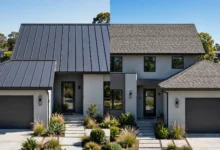
Metal roofing has grown fast in popularity across Florida, largely because it can last 40 to 70 years and often qualifies for the best wind mitigation insurance credits. Standing seam metal panels, in particular, are rated for some of the highest wind speeds available in residential roofing. The upfront cost is significant, but many homeowners recoup part of it through lower insurance premiums and far fewer replacement cycles over the life of the home.
Tile Roofing
Clay and concrete tile are common in Spanish-style and Mediterranean-influenced homes throughout Florida, especially in South and Central Florida. Tile is extremely durable and fire-resistant, but it’s heavy, which means some older homes need structural reinforcement before installation, adding to cost. Tile roofs can last 50 years or more when properly maintained, though the underlayment beneath the tiles typically needs replacement around the 20-year mark.
Flat and Low-Slope Roofing
Many Florida homes, particularly in older neighborhoods and additions like Florida rooms, have flat or low-slope sections. TPO (thermoplastic polyolefin) has become the go-to material here, replacing older built-up and modified bitumen systems in a lot of new installs because it handles heat reflection and ponding water better.
Hidden Costs Homeowners Often Miss
A number of homeowners get a quote, budget for it, and then get surprised by add-ons that weren’t clearly explained upfront. Watch for these:
- Plywood decking replacement if the old roof reveals water damage
- Permit and inspection fees, which some low-ball contractors leave off the initial quote
- Disposal fees for tearing off multiple layers of old roofing material
- Skylight, chimney, or vent flashing replacement, often needed even if you’re only replacing the roof surface
- Gutter damage repair or replacement caused during tear-off
- Code upgrade costs if your existing roof predates current wind mitigation standards
A written, itemized estimate that spells out these possibilities before work begins is the best protection against a final bill that doesn’t match the quote.
How Insurance Affects Roof Replacement Cost in Florida
Florida’s property insurance market has tightened considerably in recent years, and roofs are at the center of it. Many carriers now require a roof inspection before renewing a policy, and roofs older than 15 to 20 years can trigger a non-renewal notice unless replaced.
On the upside, a wind mitigation inspection after a new roof installation can lower your premium meaningfully, sometimes by hundreds of dollars a year, because insurers factor in things like roof shape, secondary water barriers, and the strength of the roof-to-wall connection. It’s worth asking your roofing contractor to provide documentation that supports this inspection, since it’s a straightforward way to offset part of what you spent on the replacement.
For homeowners who want a deeper understanding of how wind mitigation credits work, the Florida Office of Insurance Regulation publishes consumer guidance on how these inspections affect premiums.
How to Get an Accurate Roof Replacement Quote
Because pricing swings so much based on material, region, and roof complexity, the only reliable way to know your actual cost is to get multiple written estimates from licensed Florida roofing contractors. A few tips that consistently save homeowners money and headaches:
- Confirm the contractor is licensed with the Florida Department of Business and Professional Regulation, not just insured
- Ask for the manufacturer warranty and workmanship warranty in writing, separately
- Request the wind rating of the shingle or material being quoted
- Get a breakdown of tear-off, decking, underlayment, and code-upgrade costs as separate line items
- Avoid paying more than a modest deposit before work starts; Florida law limits upfront deposits on residential contracts
For general cost benchmarking across contractors and regions, resources like the National Roofing Contractors Association offer independent guidance that isn’t tied to a single company’s pricing.
Signs You Actually Need a Roof Replacement (Not a Repair)
Not every roof issue means a full replacement. Here’s a general guide for when repair is enough versus when replacement makes more financial sense:
- Repair is usually sufficient for a single leak, a handful of missing or cracked shingles, or minor flashing failure on a roof under 10 years old
- Replacement typically makes sense when the roof is past 15–20 years old, has widespread granule loss, multiple leak points, visible sagging, or has failed a wind mitigation inspection
- Replacement is often required if your insurer has issued a non-renewal notice tied to roof age or condition
If you’re unsure which category your roof falls into, a licensed roofing contractor or a certified home inspector can give you a straightforward answer before you commit to either option.
Conclusion
Roof replacement cost in Florida typically falls between $8,500 and $22,000 depending on material, roof size, region, and how closely your home needs to meet current hurricane building codes, with asphalt shingles on the lower end and tile or metal roofing pushing costs significantly higher. Beyond the sticker price, Florida homeowners need to account for permits, potential decking repairs, and code-driven upgrades that aren’t always obvious in an initial estimate, while also weighing how a new roof can lower insurance premiums through wind mitigation credits. Getting several detailed, itemized quotes from licensed local contractors remains the most reliable way to budget accurately and avoid surprises once the old roof comes off.