How to Prevent Gutter Damage During Storm Season
Prevent gutter damage before storm season hits. Practical steps homeowners can take now to protect gutters, downspouts, and rooflines.
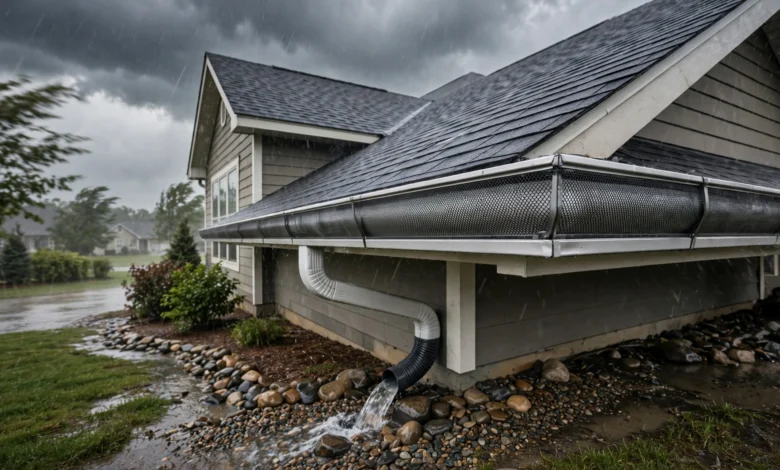
Prevent Gutter Damage: 9 Proven Ways to Protect Your Home This Storm Season
Prevent gutter damage before the first heavy storm rolls through, not after water is already pooling against your foundation. Gutters look like a minor part of a house, a few strips of metal bolted under the roofline, but they’re doing more work than most homeowners give them credit for. A functioning gutter system moves thousands of gallons of water away from your roof, siding, and foundation every storm season. When it fails, the damage doesn’t stay contained to the gutter itself. It shows up as rotted fascia boards, cracked foundations, flooded basements, and landscaping that washes away overnight.
Storm season puts more stress on gutters than any other time of year. Wind rips leaves and branches loose, heavy rain overwhelms clogged channels, and ice or hail in colder regions can bend and crack aging aluminum. The good news is that most gutter failures are preventable with a bit of seasonal maintenance and a handful of upgrades that don’t require a full replacement.
This guide walks through nine practical steps to prevent gutter damage before storm season arrives, along with the warning signs that tell you it’s already too late and repairs are overdue. Whether you handle maintenance yourself or bring in a professional, the goal is the same: keep water moving away from your home instead of pooling against it.
Why Gutter Damage Happens During Storm Season
Before getting into prevention, it helps to understand what actually causes gutters to fail when storms hit.
- Clogged channels. Leaves, twigs, and granules from asphalt shingles build up over the year and block water flow exactly when you need it most.
- Excess weight. Standing water, wet debris, and ice add hundreds of pounds of pressure on brackets and fascia boards.
- Wind damage. High wind can pull gutters loose from their hangers or rip sections apart entirely.
- Improper slope. Gutters that weren’t installed with the correct pitch pool water instead of draining it, which accelerates rust and corrosion.
- Age and material fatigue. Aluminum and vinyl gutters weaken over time, and a system that’s handled ten storm seasons without maintenance is far more likely to fail on the eleventh.
Understanding the cause makes the prevention steps below make a lot more sense, since each one targets a specific failure point.
1. Clean Gutters Before Storm Season Begins
This is the single most effective step to prevent gutter damage, and it’s also the one most homeowners skip. A clogged gutter can’t do its job no matter how well it was installed.
- Clear debris at least twice a year, ideally right before your region’s storm season starts
- Use a garden hose to flush the system and confirm water is draining properly at the downspouts
- Check for standing water after flushing, which usually points to a low spot or blockage further down the line
- Wear gloves and use a stable ladder, or hire a gutter cleaning service if your roofline is steep or your home is more than one story
Homes surrounded by trees need more frequent cleaning, sometimes three or four times a year, since leaves and seed pods build up faster than most people expect.


2. Inspect for Loose Brackets and Hangers
Gutters are held to the fascia board with brackets or hangers, and these are usually the first thing to fail under storm stress. A section of gutter that’s pulling away from the roofline, even slightly, will get much worse once wind and rain add weight to it.
- Walk the perimeter of your home and look for visible gaps between the gutter and the fascia
- Push gently on gutter sections to check for movement or sagging
- Tighten or replace loose screws before storm season, not during it
- Replace spike-and-ferrule hangers with modern hidden hangers if your gutters use the older style, since spikes tend to work loose over time
Catching a loose bracket in dry weather takes ten minutes. Catching it during a storm usually means a gutter section on the ground.
3. Install Gutter Guards to Reduce Debris Buildup
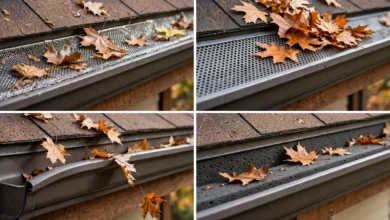
Gutter guards won’t eliminate maintenance completely, but they cut down significantly on how much debris makes it into the channel in the first place. This matters most for homeowners who can’t clean gutters as often as their property needs.
- Mesh guards work well for most residential homes and block leaves while letting water through
- Foam inserts are budget-friendly but need replacement more often than mesh
- Reverse-curve guards handle heavy rainfall better but cost more upfront
- Even with guards installed, plan on an annual inspection since fine debris like pine needles and shingle grit can still accumulate
According to the Insurance Institute for Business & Home Safety, well-maintained gutters and downspouts are one of the most cost-effective ways homeowners can reduce storm-related water damage claims.
4. Check and Extend Downspouts
A gutter system is only as good as where it sends the water once it reaches the ground. Downspouts that dump water right next to the foundation are a leading cause of basement flooding and foundation cracking during heavy storms.
- Downspouts should direct water at least 5 to 10 feet away from the foundation
- Add downspout extensions or splash blocks if water is currently draining too close to the house
- Confirm downspouts aren’t clogged internally, which is a common issue after storm season debris settles
- Consider connecting downspouts to a drainage system or rain barrel if your property has grading issues
This step gets overlooked constantly because the downspout is the least visible part of the system, but it’s often where the real damage starts.
5. Trim Overhanging Trees and Branches
Trees are one of the biggest contributors to gutter damage, both from falling debris and from direct impact during high winds.
- Trim branches that hang directly over the roofline before storm season
- Remove dead or weak limbs that are more likely to break in wind
- Clear debris buildup near tree-heavy sections of the gutter more frequently than the rest of the system
- Hire a certified arborist for large trees near the house rather than attempting it yourself
Fewer branches over the roof means less debris in the gutters and less risk of a limb snapping a section loose during a storm.
6. Check the Gutter Slope
Gutters need a slight pitch, typically about a quarter inch of drop for every 10 feet of length, so water flows toward the downspout instead of sitting still. A system with improper slope pools water even when it’s perfectly clean, and standing water adds weight and accelerates corrosion.
- Run water through the gutter with a hose and watch for pooling
- Look for visible sagging along the gutter run, which usually indicates a slope problem
- Have a professional re-pitch the system if pooling is consistent across multiple sections
This is one of the less obvious causes of gutter failure, but it’s a common one on older homes where the original installation wasn’t done to spec.
7. Reinforce Weak Points Before Storm Season
If your gutters are older or have shown problems in past storms, reinforcing them ahead of time is cheaper than repairing storm damage after the fact.
- Add extra hangers every 24 to 36 inches on longer gutter runs for better support
- Seal seams and joints with gutter sealant to stop leaks before they start
- Replace any sections showing rust, especially on steel gutters
- Check corner joints, which take the most stress during heavy wind and rain
A little reinforcement now is far less disruptive than an emergency repair mid-storm, when contractors are booked solid and materials are harder to source.
8. Watch for Signs of Existing Damage
Sometimes the damage has already started and just hasn’t caused a visible failure yet. Catching these signs early can prevent gutter damage from turning into a full roof or foundation issue.
- Peeling paint or water stains on the fascia board, which usually means water is overflowing behind the gutter
- Mildew or mold near the foundation, a sign that water isn’t draining far enough away from the house
- Gutters pulling away from the roofline, even slightly, which will worsen under storm pressure
- Rust spots or visible cracks, which weaken the gutter’s ability to hold water
- Pooling water in the yard near downspouts, pointing to a grading or extension problem
Any of these signs on their own might seem minor, but during a serious storm they tend to compound quickly.
9. Schedule a Professional Inspection Annually
DIY maintenance handles most of what a gutter system needs, but a professional inspection catches issues that aren’t obvious from the ground, especially on multi-story homes or steep roof pitches.
- A professional can spot slope issues, hidden rust, and hanger fatigue that’s hard to see from a ladder
- Annual inspections are relatively inexpensive compared to storm damage repair costs
- Many roofing and gutter companies offer seasonal inspection packages timed right before storm season
- This is also a good opportunity to ask about upgrading to a more storm-resistant gutter material if yours is aging
The National Weather Service publishes regional storm outlooks that can help homeowners time their inspection and maintenance schedule around when severe weather is most likely to hit their area.
What to Do If Gutter Damage Happens Anyway
Even with solid prevention, storms occasionally win. If you notice damage after a storm, don’t wait to address it.
- Document damage with photos for insurance purposes before making repairs
- Clear any debris that’s blocking water flow immediately to prevent secondary damage
- Check the foundation and basement for signs of water intrusion following the storm
- Schedule repairs promptly, since a damaged section left alone tends to strain the rest of the system
Acting quickly after storm damage usually keeps a repair a repair, instead of letting it turn into a full gutter replacement.
Final Thoughts
Storm season puts real pressure on a part of the house that rarely gets attention until something goes wrong. The steps that prevent gutter damage, cleaning debris, checking brackets, extending downspouts, trimming trees, and catching early warning signs, are straightforward, but they only work if they happen before the storm, not after. A gutter system that’s properly maintained protects far more than the gutters themselves; it protects the roofline, the siding, the foundation, and the landscaping around your home. Spending an afternoon on maintenance now is a small trade-off against the cost and disruption of water damage repairs later, and it’s one of the easiest ways a homeowner can head into storm season with genuine peace of mind.
Keywords: